


Project Description
REEPERBAHN


Key Facts at a Glance
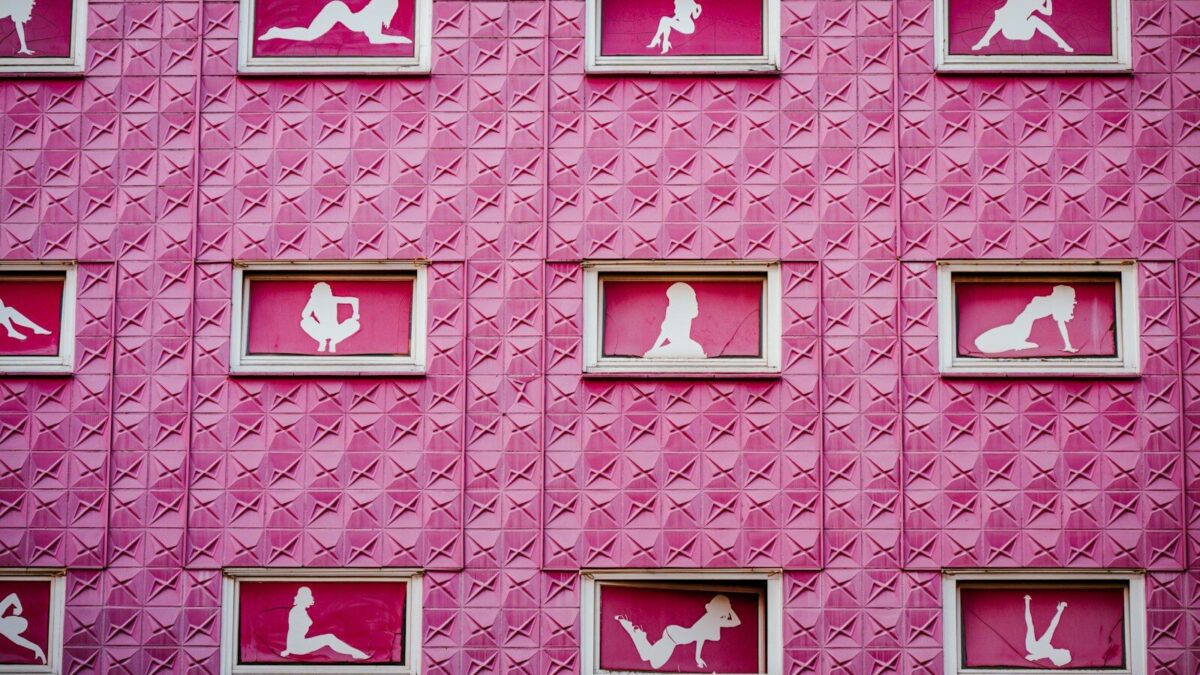
The Reeperbahn, located in Hamburg’s St. Pauli district, is arguably Germany’s most famous and vibrant entertainment strip. Spanning just under a kilometer, it brings together—like few other places on earth—legendary music history, a traditional red-light district, a booming club scene, eccentric entertainment, and top-tier theater. Once home to rope-makers (*Reeper*), the area—known locally as the *Kiez*—evolved over decades into a world-renowned institution, a unique blend of vice, art, and Hanseatic subculture.
Historical Origins: The Story Behind the Name
The name “Reeperbahn” derives from the historical craft of rope-making (*Reeper* being the Low German term for a rope-maker). In the 17th and 18th centuries, sailing ships required exceptionally long, straight stretches of land to manufacture their thick cables and ropes. The open terrain just outside Hamburg’s old city fortifications proved to be the perfect location. These former rope-walks eventually gave rise to what is now a grand thoroughfare dedicated to entertainment and nightlife.
A Hub for Music: The Beatles and Club Culture
The Reeperbahn gained global fame in the early 1960s thanks to a British band that laid the foundation for their worldwide career here: The Beatles. In venues such as the *Indra*, the *Kaiserkeller*, and the *Star-Club*, John, Paul, George, and Pete (later replaced by Ringo) played for countless hours, shaping the legendary sound of the “Fab Four.” To this day, St. Pauli remains the epicenter of Hamburg’s live music and club scene:
- Der Hamburger Berg: A side street off the Reeperbahn, known—especially among younger night owls and locals—for its high concentration of pubs and bars.
- Große Freiheit: A side street that runs perpendicular to the Reeperbahn; home to the legendary Große Freiheit 36 venue, it is also defined by its neon-lit clubs, discos, and drag/travesty shows.
The Red-Light District, Hans-Albers-Platz, and the Davidwache
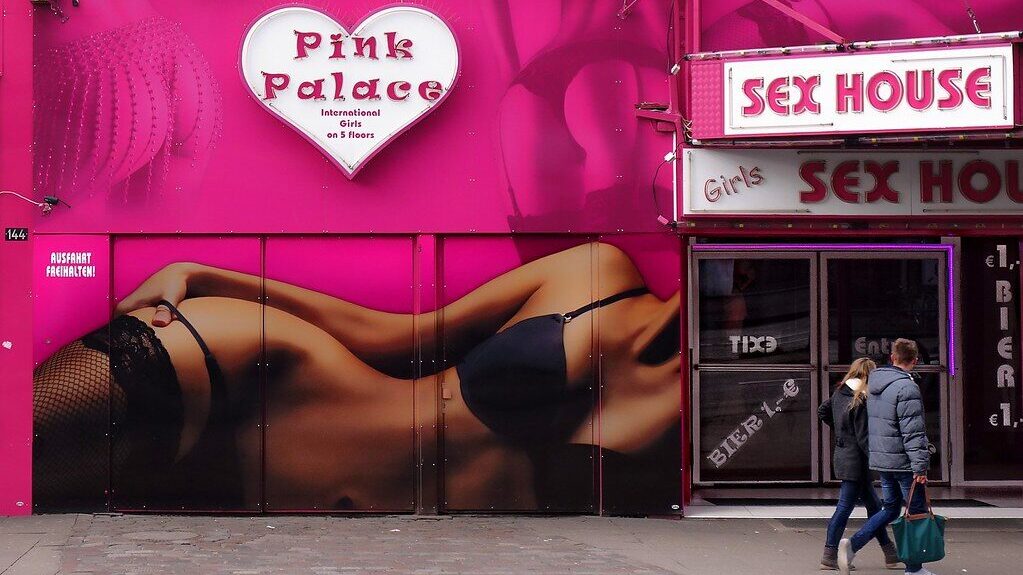
Nightlife in the “Kiez” (the local term for the St. Pauli entertainment district) is inextricably linked to the red-light scene. The famous Herbertstraße—a side street shielded by barriers that prohibits entry to women and minors—is perhaps the most iconic symbol of this long-standing history.
- The Davidwache: Located at the corner of Davidstraße and the Reeperbahn, this legendary police station is considered the smallest in Europe and has gained worldwide fame through numerous films and crime dramas.
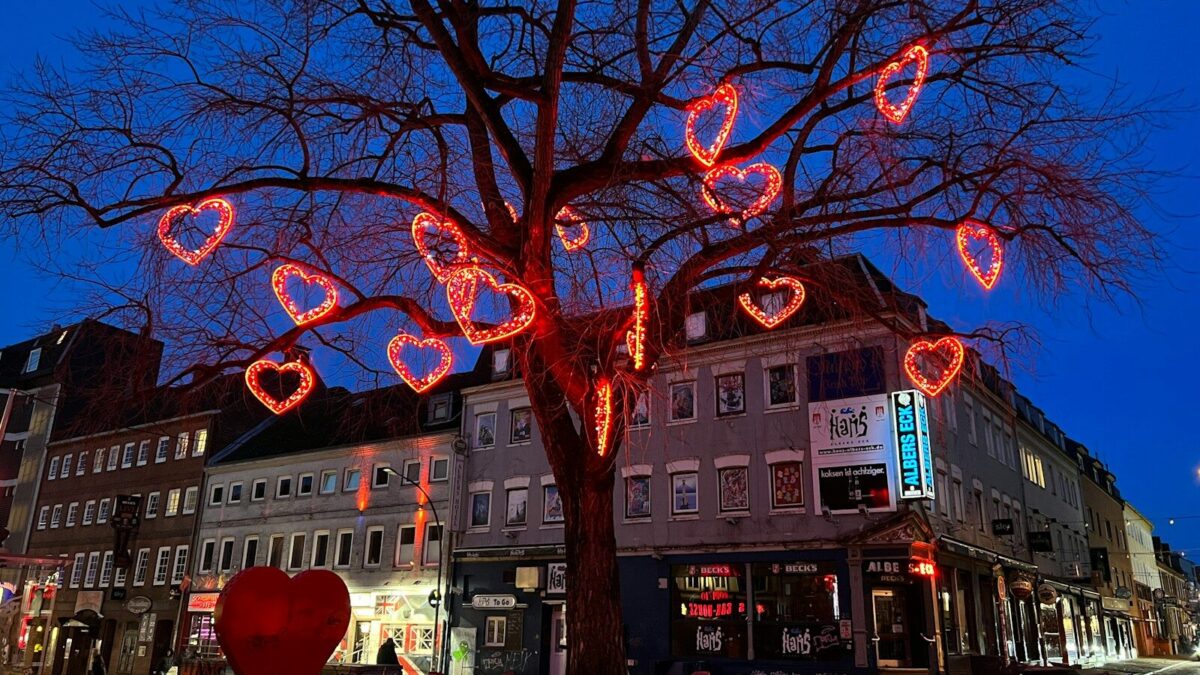
- Hans-Albers-Platz: Named after “Blonder Hans” (a Hamburg legend), this square serves as the heart of the district’s traditional pub culture, featuring rustic taverns, live music, beer gardens, and the quintessential “Kiez” atmosphere.
Theater, Comedy, and Culture
Beyond its nightlife, the Reeperbahn has also established itself as a prominent destination for high culture and entertainment. The district is defined by numerous renowned venues:
- Das Operettenhaus: Known for world-famous musicals—from Cats and Sister Act to current blockbusters.
- Schmidt Theater and Schmidts Tivoli: Home to Hamburg’s legendary variety scene, celebrated far beyond the city limits for its quirky, charming comedy, lively musical shows, and its famous “glitter box” (Glitzerkiste) aesthetic.
Transformation and Modernization
In recent years, the neighborhood has undergone a noticeable transformation. Alongside traditional harbor pubs and entertainment venues, modern hotels, start-ups, upscale dining establishments, and creative agencies have taken root. Yet, the Reeperbahn has managed to retain its “rough but warm-hearted” charm—it remains the pulsating heart of Hamburg’s nightlife, a place that never sleeps.
unavailable
none
free




By Public Transport:
Public transport is the most stress-free way to reach the “Kiez” (the Reeperbahn area)—especially on weekends or in the evening hours.
- S-Bahn (Directly beneath the strip):
- The “Reeperbahn” S-Bahn station is located right in the heart of the action (beneath the Nobistor/Millerntor area).
- Lines: S1 and S3 (plus additional supplementary services). From here, it is just a short walk to the clubs, theaters, and bars.
- U-Bahn (Alternatives within walking distance):
- “St. Pauli” U-Bahn station (Line U3): Located at the eastern end of the Reeperbahn / Millerntorplatz (near Heiligengeistfeld and Schmidts Tivoli).
- “Landungsbrücken” U-Bahn station (Line U3 & S-Bahn lines): About a 5–10 minute walk uphill toward the Kiez—ideal if you’d like to combine your arrival with a stroll offering views of the harbor.
- Buses:
- Various bus lines (such as the 111 or several night buses on weekends) stop directly at the “S Reeperbahn” stop or in the immediate vicinity.
By Car:
If arriving by car, the route is typically via the A7 motorway (taking the “Hamburg-Bahrenfeld” or “Othmarschen” exit) and continuing via Große Elbstraße / St. …via *St. Pauli Landungsbrücken* or via the *Ring 2* / *Stresemannstraße*. From the east, you can reach the city center—and continue toward *St. Pauli*—by taking the A 24 motorway and crossing the Elbe bridges (*Elbbrücken*).
- Important traffic note: The *Reeperbahn* and the surrounding *Kiez* (entertainment district) experience very heavy traffic—especially in the evenings and on weekends—along with high volumes of pedestrians and occasional temporary traffic restrictions.
- Parking options:
- It is highly recommended to park your car in a parking garage or designated parking lot rather than driving around hoping to find a street-side parking space.
- Reeperbahn Garages: The parking garage located directly beneath *Spielbudenplatz* (it doesn’t get more central than this).
- Nomis Quartier underground garage (*Simon-von-Utrecht-Straße*).
- Bavaria Office underground garage (*Zirkusweg*).
- Alternatively, you can use the large parking areas at *Heiligengeistfeld*, from which the *Reeperbahn* is just a short walk away.

