


Project Description
ALPENZOO INNSBRUCK


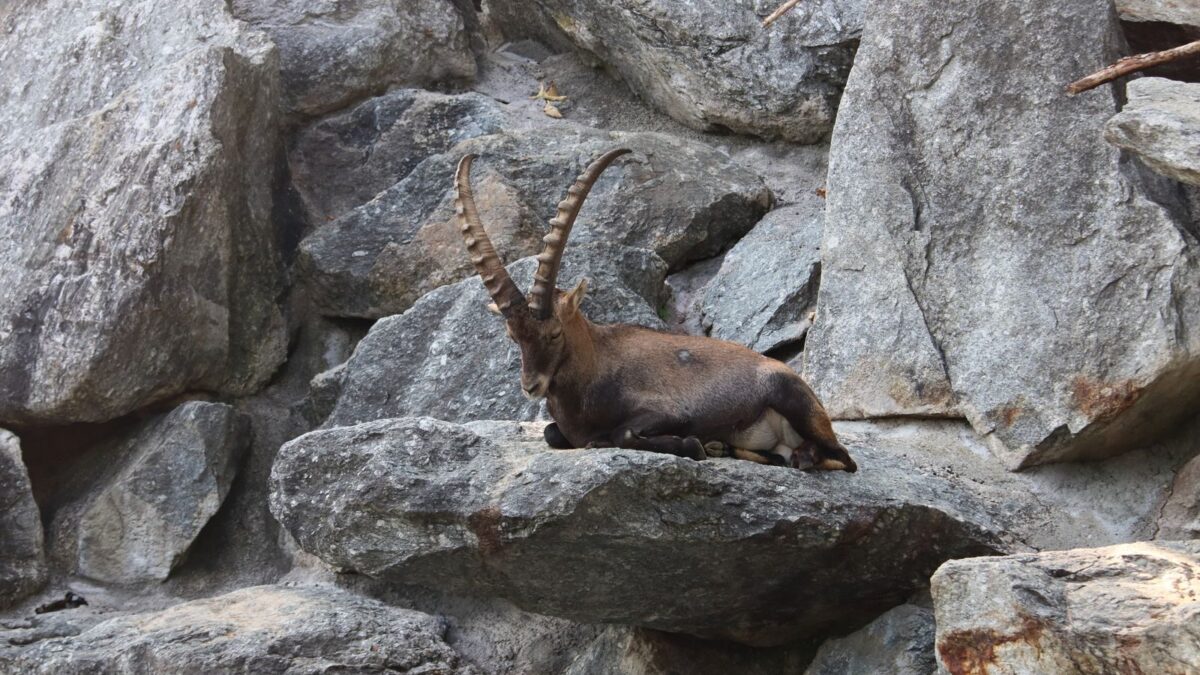
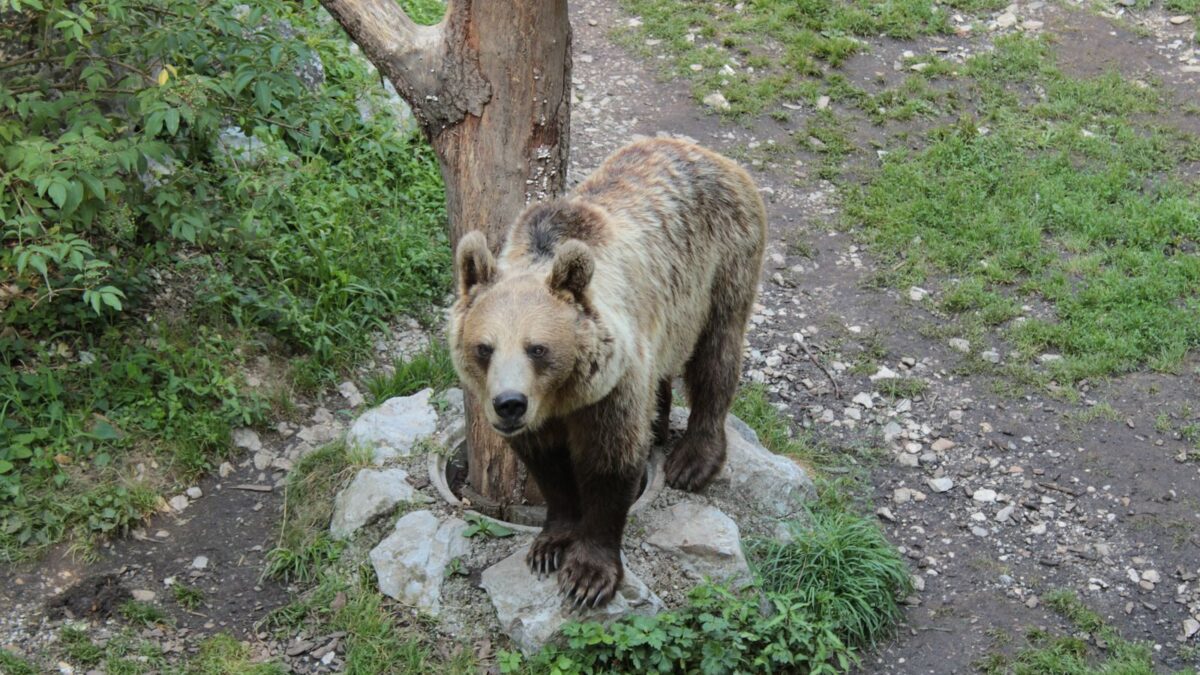
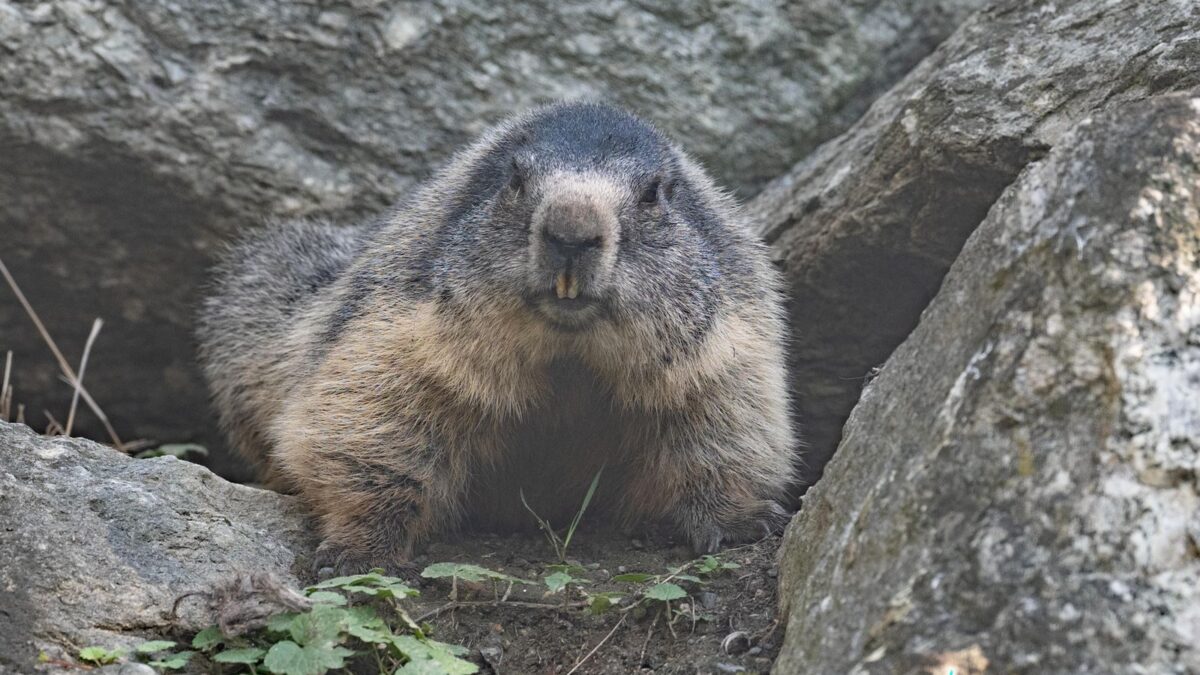
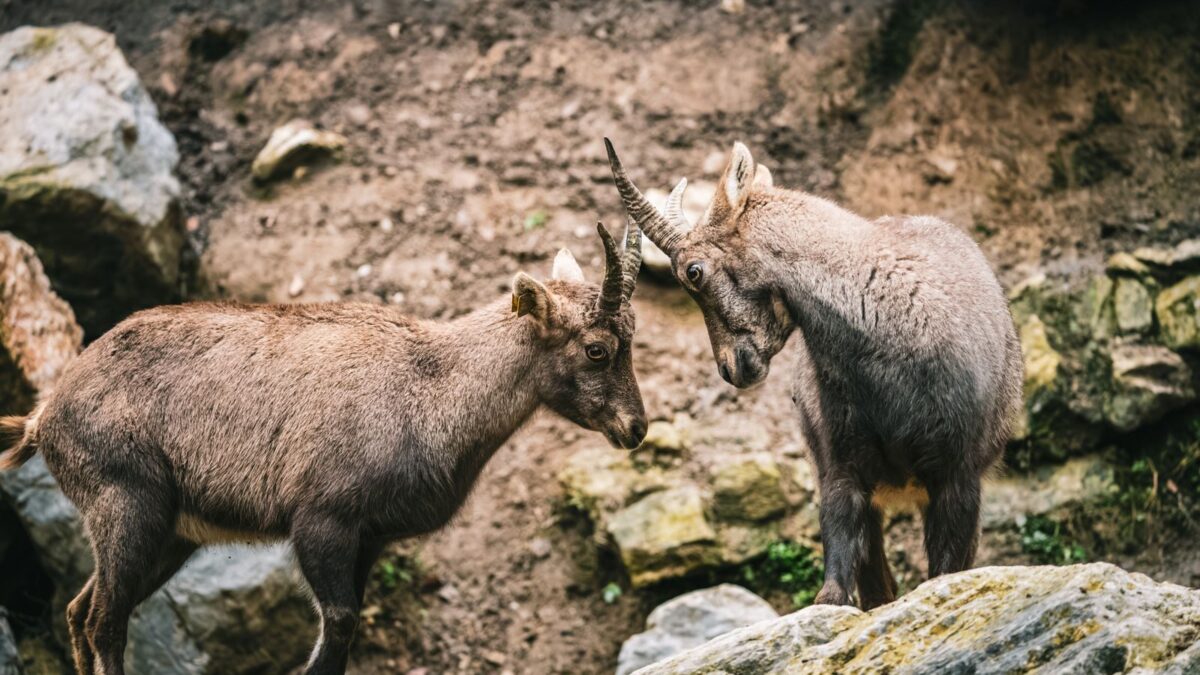
Key Facts at a Glance
Located at the foot of the Nordkette mountain range at an altitude of approximately 750 meters, the Alpenzoo Innsbruck is one of the highest-situated zoos in Europe. It houses the world’s largest collection of animals native to the entire Alpine region. Across an accessible area of about five hectares, the zoo is home to roughly 2,000 animals representing around 150 species—ranging from brown bears, wolves, lynx, and ibex to bearded vultures, northern bald ibises, and various local fish, reptiles, and amphibians. Founded in 1962 by zoologist Hans Psenner, the facility is not only a popular destination offering panoramic views of Innsbruck, but also an internationally renowned center of expertise for species conservation, captive breeding, and the reintroduction of threatened Alpine animals.
Location, History, and Concept
The Alpenzoo is situated in the Hötting district of Innsbruck, on the sunny southern slopes of the Nordkette, right next to the historic Weiherburg castle. As early as the 16th century, Archduke Ferdinand II established a Renaissance-era menagerie with fish ponds on this site. Innsbruck zoologist Hans Psenner drew upon this tradition when he opened the Alpenzoo on September 22, 1962, following years of preparation. In the years that followed, directors such as Helmut Pechlaner, Michael Martys, and—since 2017—André Stadler have shaped its evolution into a modern center for nature and species conservation.
Unlike traditional urban zoos, the Alpenzoo follows a consistent “themed zoo” concept: rather than showcasing exotic animals from distant continents, it focuses exclusively on the native fauna of the Alps. The enclosures are integrated directly into the steep, wooded mountain terrain, making use of natural rock formations, streams, and slopes, allowing visitors to experience the animals in a landscape that closely resembles their natural habitat.
Wildlife and Conservation Projects
Around 2,000 individual animals representing approximately 150 species provide a comprehensive overview of the biodiversity of the Alps:
- Mammals: Well-known inhabitants include large predators such as the brown bear, wolf, lynx, and wildcat, as well as iconic mountain species like the Alpine ibex, chamois, moose, Eurasian otter, badger, fox, and marmot. A dedicated exhibit barn is also home to endangered, traditional Alpine livestock breeds (including Tux-Zillertal cattle, Original Brown cattle, and Tyrolean Stone sheep).
- Birds: Spacious aviaries and walk-through enclosures house around 60 Alpine bird species, including the bearded vulture, golden eagle, Eurasian eagle-owl, Ural owl, western capercaillie, wallcreeper, and the rare northern bald ibis.
- Aquarium, Terrariums, and Small Animals: A modern cold-water aquarium showcases nearly all native fish species found in Alpine rivers and lakes (such as the huchen, brown trout, grayling, and Arctic char). There are also terrariums for Alpine amphibians and reptiles, as well as a specialized breeding facility for the rare Alpine longhorn beetle and various threatened small mammals.
The zoo holds particular international significance due to its reintroduction and conservation breeding programs: bearded vultures, northern bald ibises, Alpine ibexes, Ural owls, and little owls bred in Innsbruck have been successfully released into the wild across various Alpine regions. Furthermore, the zoo has achieved several world-first breeding successes, including that of the rare Bavarian short-eared mouse.
Touring the Zoo and On-Site Highlights
Visitors should plan for about two to three hours to enjoy a relaxed stroll through the expansive, hilly grounds. In addition to the animal enclosures, the zoo offers several special features:
- Walk-through enclosures and aviaries: In several areas—such as the bird of prey and owl aviary or the domestic animal section—visitors can move through the animals’ habitats without any intervening barriers or fences.
- Views and dining: Thanks to its hillside location, the zoo offers frequent, sweeping views across the Inn Valley and over the rooftops of Innsbruck. The zoo’s own restaurant, ANIMAHL, along with a large adventure playground, makes a visit particularly family-friendly.
- A year-round experience: The Alpine Zoo is open 365 days a year. Even in winter, almost all animal species can be seen active—only marmots hibernate, while reptiles and amphibians spend the cold season in sheltered winter quarters.
+43 512 292323
Opening hours Apr. – Oct.:
| Monday | Tuesday | Wednesday | Thursday | Friday | Saturday | Sunday |
|---|---|---|---|---|---|---|
| 9 am – 6 pm | 9 am – 6 pm | 9 am – 6 pm | 9 am – 6 pm | 9 am – 6 pm | 9 am – 6 pm | 9 am – 6 pm |
Opening hours Nov. – Mar.:
| Monday | Tuesday | Wednesday | Thursday | Friday | Saturday | Sunday |
|---|---|---|---|---|---|---|
| 9 am – 5 pm | 9 am – 5 pm | 9 am – 5 pm | 9 am – 5 pm | 9 am – 5 pm | 9 am – 5 pm | 9 am – 5 pm |
Adults: €16.00
Seniors (aged 65+) & Students (with ID): €13.00
Children and Teenagers (aged 6–17): €9.00
Young Children (aged 4–5): €4.00
Children under 4 years: Free admission
Late-entry ticket (valid for the final hour before closing): €9.60 for adults (with corresponding discounts for children and seniors)
Innsbruck Card: One-time admission is fully included in the price of the Innsbruck Card.
Hungerburg Funicular Combination Ticket: Discounted combination tickets are available when purchased in conjunction with a round-trip ticket for the Innsbruck Nordkette Cable Cars (valid up to the Alpenzoo station or as far as Hungerburg).




By public transport:
- Via the Hungerburg Funicular (IVB): From Innsbruck Central Station, head toward the city center/Old Town to the Altstadt (Congress) funicular station. From there, the funicular travels up to the Alpenzoo intermediate stop—an ideal option if you plan to continue your journey up to the Nordkette mountain range.
- Via city bus (IVB line W): Alternatively, city bus line W runs from Marktplatz through the Hötting district directly to the Alpenzoo, saving you the steep climb on foot.
By car:
- Take the A12 Inntal Motorway (exits Innsbruck-West or Innsbruck-Mitte, depending on your direction of travel) toward the city center/Hötting, then continue along Weiherburggasse up to the zoo. A limited number of paid parking spaces are available right at the site (typically charged in half-hour increments; during peak times, it is best to arrive early).

