


Project Description
MINIATUR WUNDERLAND


Key Facts at a Glance
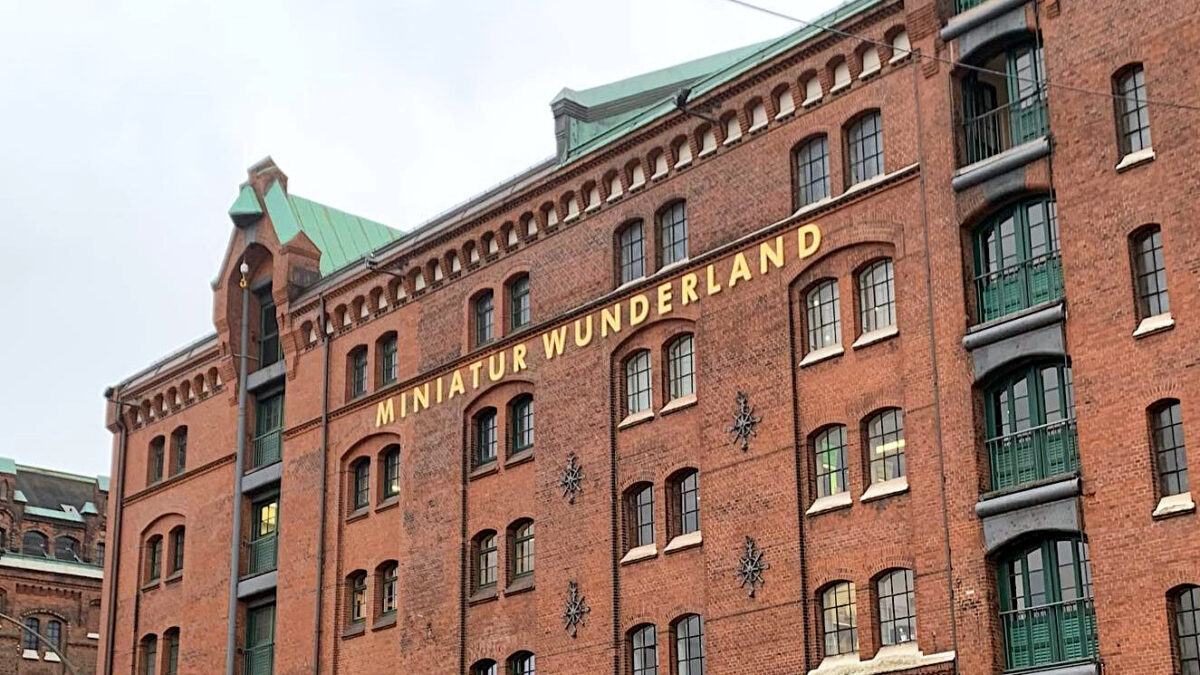
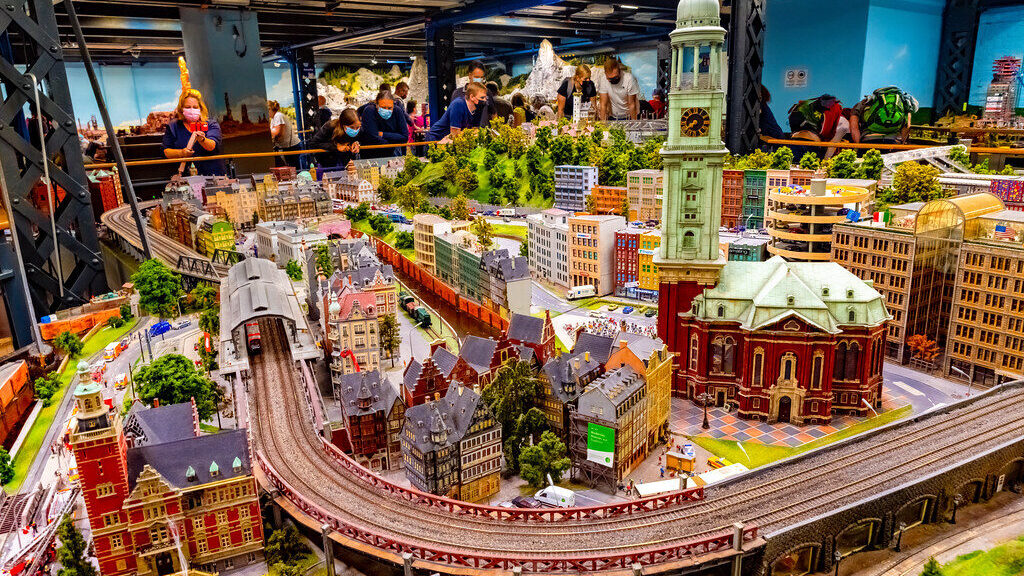
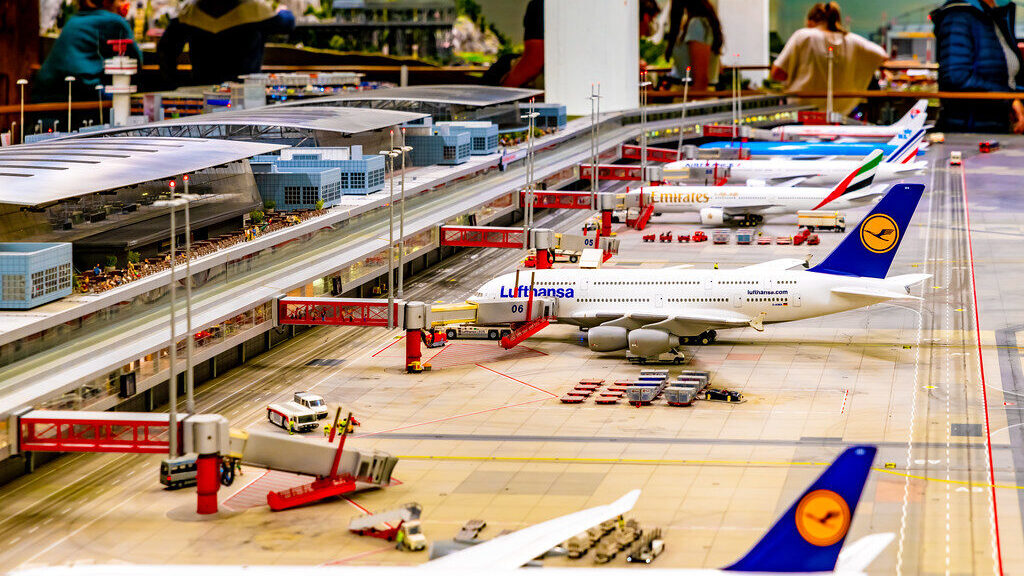
Miniatur Wunderland, located in Hamburg’s historic warehouse district (Speicherstadt), is the world’s largest model railway system and one of Germany’s most popular tourist attractions. Spanning thousands of square meters of exhibition space within a historic brick warehouse, intricately detailed miniature worlds—ranging from fictional regions and lovingly crafted replicas of real countries and cities to a fully operational airport—come to life with tens of thousands of tiny figures, moving trains and cars, and elaborate lighting and sound effects.
Origins and Concept: A Visionary, Offbeat Idea
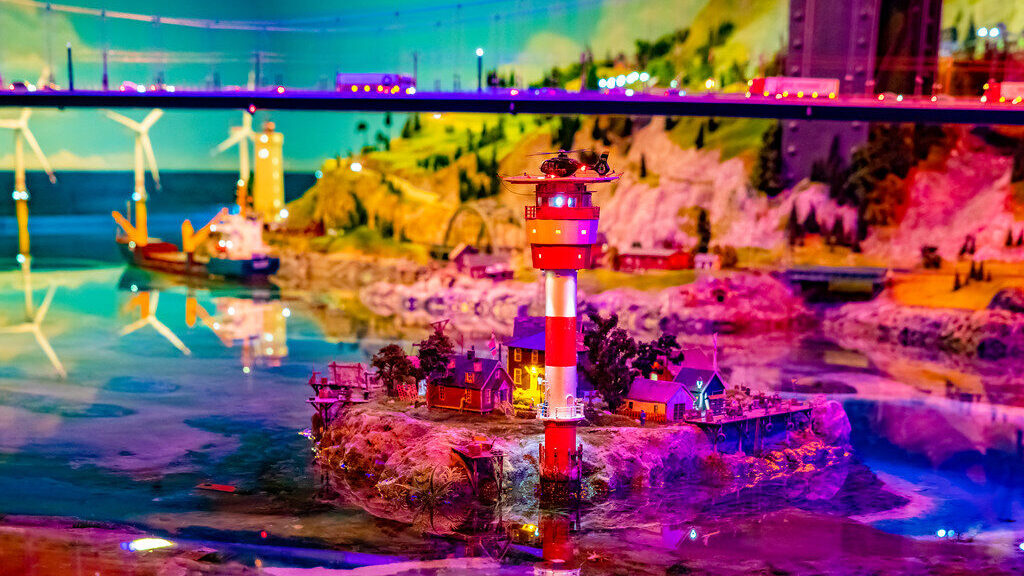
Miniatur Wunderland was founded in 2000 by twin brothers Frederik and Gerrit Braun. What began as a seemingly crazy vision quickly evolved into a global crowd-puller. The concept goes far beyond a traditional model railway: it is a living, self-contained world blending fantasy and reality at a 1:87 (H0) scale, featuring a simulated day-and-night cycle. Every few minutes, thousands of tiny lights switch on and off, while a specially composed soundscape perfects the illusion.
The Various Worlds: From Hamburg to Rio de Janeiro
Since opening, Wunderland has continued to expand and is divided into various meticulously designed themed worlds:
- Hamburg & the coast: A love letter to the home city, featuring a miniature harbor, the Elbphilharmonie, the Speicherstadt, the football stadium, and moving ships in a real water basin with computer-controlled tides.
- Scandinavia: Characterized by vast stretches of water, fjord landscapes, moving ships, and a distinctively Nordic atmosphere—including a real, controllable ice floe.
- Central Germany, the Harz Mountains & the Alps: Idyllic landscapes, castles, forests, and picturesque villages connected by a complex rail network.
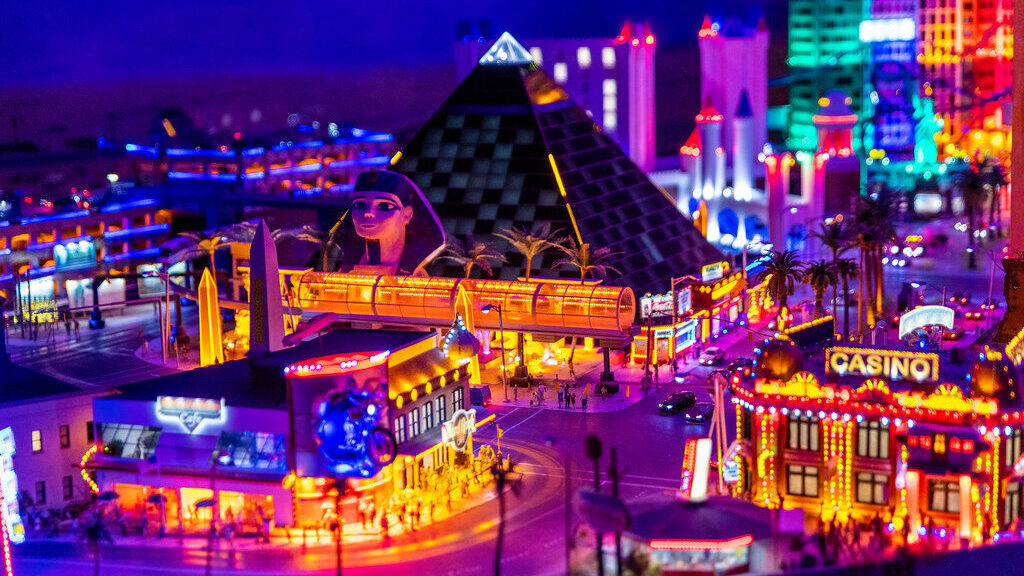
- America: Featuring the glittering lights of Las Vegas, vast canyons, Mount Rushmore, and the Cape Canaveral Space Center, where a space shuttle regularly takes off.
- Italy: A lovingly detailed homage to Rome, Venice, Pompeii, and the Amalfi Coast, featuring thousands of tiny figures celebrating *la dolce vita*.
- Rio de Janeiro & South America: A colorful, vibrant section showcasing Rio’s Carnival, Copacabana, and the favelas in miniature.
- Switzerland: An Alpine panorama featuring snow-capped mountains, Swiss chocolate factories, and spectacular bridges.
- Provence & Monaco: Lavender fields, Provençal villages, and the legendary Monaco Formula 1 race featuring tiny, high-speed race cars.
Technology, Perfection, and Attention to Detail
Behind the playful façade lies highly complex engineering:
- The Car System: The cars, fire trucks, and lorries on the roads do not run on tracks; instead, they move fully automatically using built-in batteries, motors, and an intelligent control system—stopping at red lights and using turn signals when turning.
- Knuffingen Airport: A true technical highlight where fully automated model aircraft take off and land with startling realism, while ground crew and baggage carts operate autonomously.
- Millions of Man-Hours: Countless hours of manual labor have gone into the project. Every building, tree, and miniature scene—often featuring humorous, hidden anecdotes and movie references—is lovingly crafted by a dedicated team of model makers.
+49 40 300 680 – 0
| Monday | Tuesday | Wednesday | Thursday | Friday | Saturday | Sunday |
|---|---|---|---|---|---|---|
| 9 am – 6 pm | 9 am – 6 pm | 9 am – 6 pm | 9 am – 6 pm | 9 am – 7 pm | 8 am – 12 am | 8:30 am – 8 pm |
Note: Since Wunderland often has significantly different—and sometimes much longer—opening hours on public holidays and during school breaks, and admission is organized into time slots to avoid waiting times, it is recommended to check the online calendar briefly before your visit.
Standard Day Tickets
- Adults (ages 16 and up): €22.00
- Children and Youths (up to and including age 15): €13.00
- Children under 1 meter tall: Free (when accompanied by parents or grandparents)
Concessions & Special Rates
- Reduced Admission (e.g., for school pupils, university students, and apprentices with proof of status): €19.00
- Wheelchair Users: €10.00
- School Groups (10 or more people, up to age 18): €13.00 per person (one accompanying adult admitted free for every 10 pupils)
Annual Passes
- Personal Annual Pass (ages 16 and up): €99.00
- Personal Annual Pass (1 meter tall up to and including age 15): €59.00
Note: As Wunderland attracts large numbers of visitors and hourly entry capacity is limited, we strongly recommend booking tickets online in advance for a specific time slot.




By public transport:
Using public transport is highly recommended for your journey, as parking spaces in the Speicherstadt are limited:
- Subway (U-Bahn): The nearest stops are the U3 stations “Baumwall” or “Meßberg.” From there, it is just a 10-minute walk across the canal bridges to the Speicherstadt. The U4 station “Überseequartier” is also easily accessible.
- Bus: Bus line 602 stops at “Am Sandtorkai,” while bus line 111 stops at “Landungsbrücken” or “Baumwall.”
- Ferry: Take the HADAG ferry lines (e.g., line 62 or 72) to Landungsbrücken or the “Elbphilharmonie” stop; from there, Wunderland is just a short walk away.
By car:
If you are arriving by car, the route usually takes you via Willy-Brandt-Straße/Ludwig-Erhard-Straße, turning off towards the Speicherstadt (Sandtorkai / Kehrwieder).
- Parking: There is a dedicated, fee-based parking garage with around 40 spaces (including EV charging stations) right next to the Miniatur Wunderland building. However, as capacity there fills up quickly, additional parking garages are available in the immediate vicinity, such as the Elbphilharmonie parking garage or the *Am Sandtorkai* parking garage.
- Tip: If possible, use public transport or allow some extra time to find a parking space in the narrow streets of the Speicherstadt.

