


Project Description
FRANCISCAN CHURCH



At a Glance
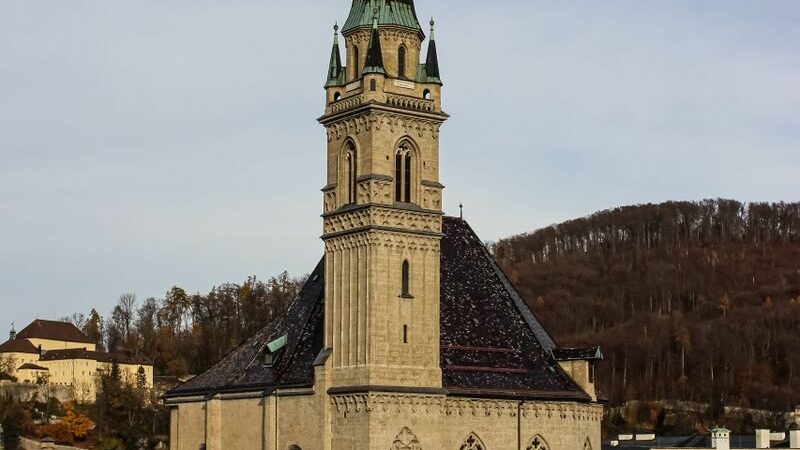
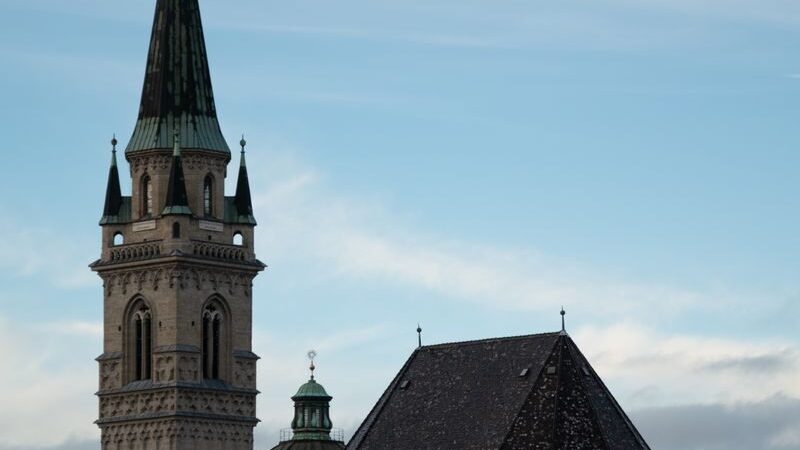
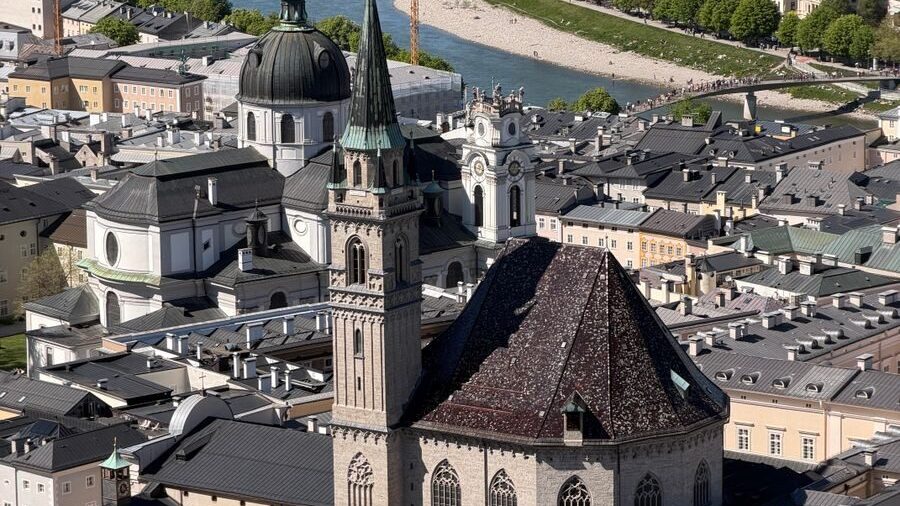
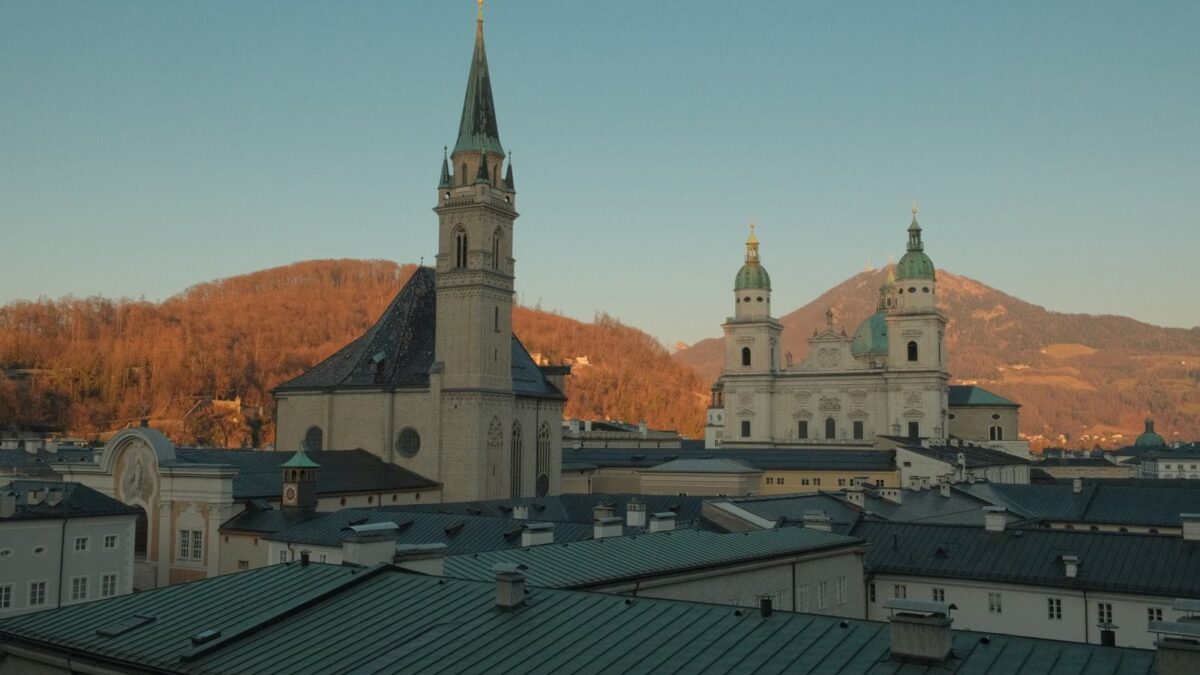
The Franciscan Church in Salzburg—officially the monastic church of “Our Lady”—is one of the most significant and oldest religious buildings in Salzburg’s Old Town. The structure is distinguished by its extraordinary combination of architectural styles: the sturdy Romanesque nave forms an impressive contrast to the light-filled, Late Gothic hall choir and the Baroque high altar created by Johann Bernhard Fischer von Erlach.
Construction History and Evolution
The church’s origins date back to the early Middle Ages. As early as the 8th century, under Abbot-Bishop Virgil, a place of worship dedicated to the Mother of God was recorded at this site, serving as both a baptismal and synodal church. After a major city fire destroyed the building in 1167, a three-aisled Late Romanesque basilica was erected; it was consecrated in 1223.
In the 15th century, Salzburg’s citizenry made an architectural statement reflecting their growing prosperity and self-confidence: Master Hans von Burghausen (later succeeded by Stephan Krumenauer) replaced the old Romanesque choir with a significantly taller, Late Gothic hall choir.
At the end of the 16th century, Prince-Archbishop Wolf Dietrich von Raitenau handed the church over to the Franciscans. In the decades that followed, the chapels and the chancel underwent gradual Baroque-style renovations.
Architecture and Spatial Experience
Upon entering the church, visitors encounter a fascinating architectural transition, often symbolically described as a step “from darkness into light”:
- The Romanesque nave: It presents itself as a tall, narrow, and relatively austere three-bay nave featuring massive pillars. The subdued lighting conveys the sense of security and groundedness characteristic of the Romanesque style.
- The Late Gothic Hall Choir: As one moves further inside, the space opens up into a vast, light-filled hall. Cluster piers rise upwards, transitioning into intricate rib vaulting that draws the eye towards the ceiling.
Furnishings and Art Treasures
- The High Altar: The visual focal point is the high altar, created by Johann Bernhard Fischer von Erlach in 1709–10. It blends harmoniously with the Gothic architecture of the choir and serves as a frame for the central masterpiece.
- The Pacher Madonna: At the center of the high altar stands the Late Gothic figure of the enthroned Virgin Mary. Created by the renowned South Tyrolean sculptor Michael Pacher, it is the only surviving major element of his original winged altarpiece from 1498.
- The Ring of Chapels: The choir is surrounded by nine chapels, which were embellished with elaborate Baroque and stucco work by renowned artists during the 17th and 18th centuries.
- The Romanesque Stepped Portal: Near the entrance, surviving portals bear witness to Romanesque architecture, including the intricate south portal featuring a grapevine frieze and relief carvings.
Significance Today
The Franciscan Church is situated in the heart of the Old Town, close to the Residenz and Salzburg Cathedral. As a place of quiet contemplation and devotion, it offers a peaceful counterpoint to the monumental Baroque architecture of the cathedral, attracting believers and art enthusiasts from around the world every day.
none
| Monday | Tuesday | Wednesday | Thursday | Friday | Saturday | Sunday |
|---|---|---|---|---|---|---|
| 6 am – 8 pm | 6 am – 8 pm | 6 am – 8 pm | 6 am – 8 pm | 6 am – 8 pm | 6 am – 8 pm | 7 am – 8 pm |
free




By Car
Since the historic Old Town is largely closed to general traffic, the best option is to use the “Altstadtgarage” (Mönchsberg) parking facility:
- Access: Drive through the Neutor Tunnel (Sigmundstor) directly into the CONTIPARK underground garage (Altstadtgarage/Mönchsberggarage).
- Exit: Use the Toscaninihof exit.
- Walking distance: It is just a 2-minute walk from Toscaninihof to the Franciscan Church (Franziskanerkirche).
- Tip: If you shop or dine in the Old Town, you can have your parking ticket validated at the designated stamping stations to receive the reduced Old Town rate.
By Public Transport
Traveling by bus or train is the most convenient option, as the church is located just a short walk from central bus stops:
- From Salzburg Central Station (Hauptbahnhof):
- Trolleybus lines: Take trolleybus lines 1, 3, 5, or 6 towards the city center.
- Alight at: Rathaus or Ferdinand-Hanusch-Platz stop.
- Walking distance: From the Rathaus stop, it is a 3–5 minute walk via Getreidegasse/Sigmund-Haffner-Gasse directly to the Franciscan Church.

