


Project Description
HAFENCITY


Key Facts at a Glance
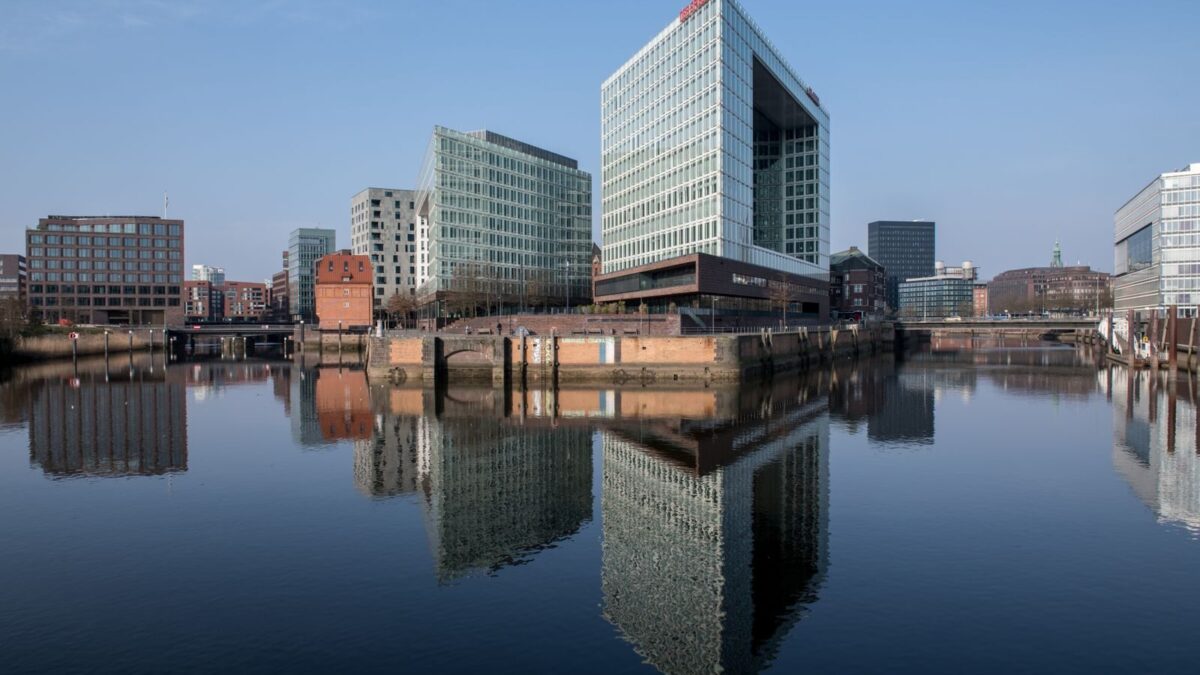
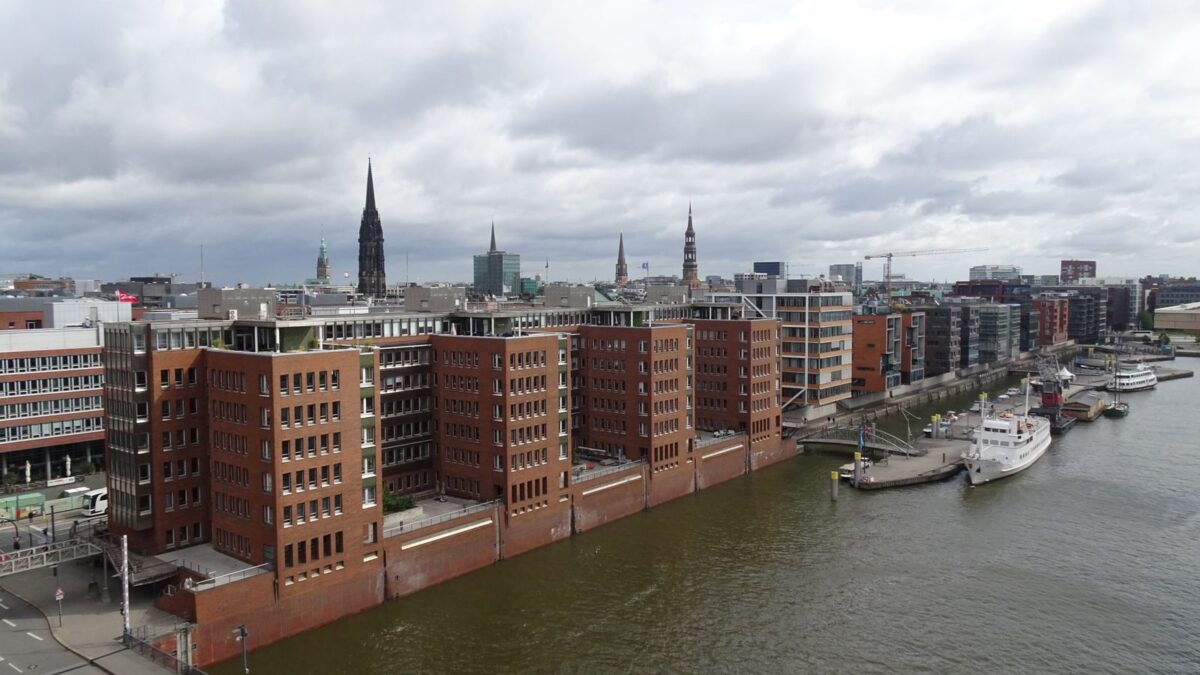
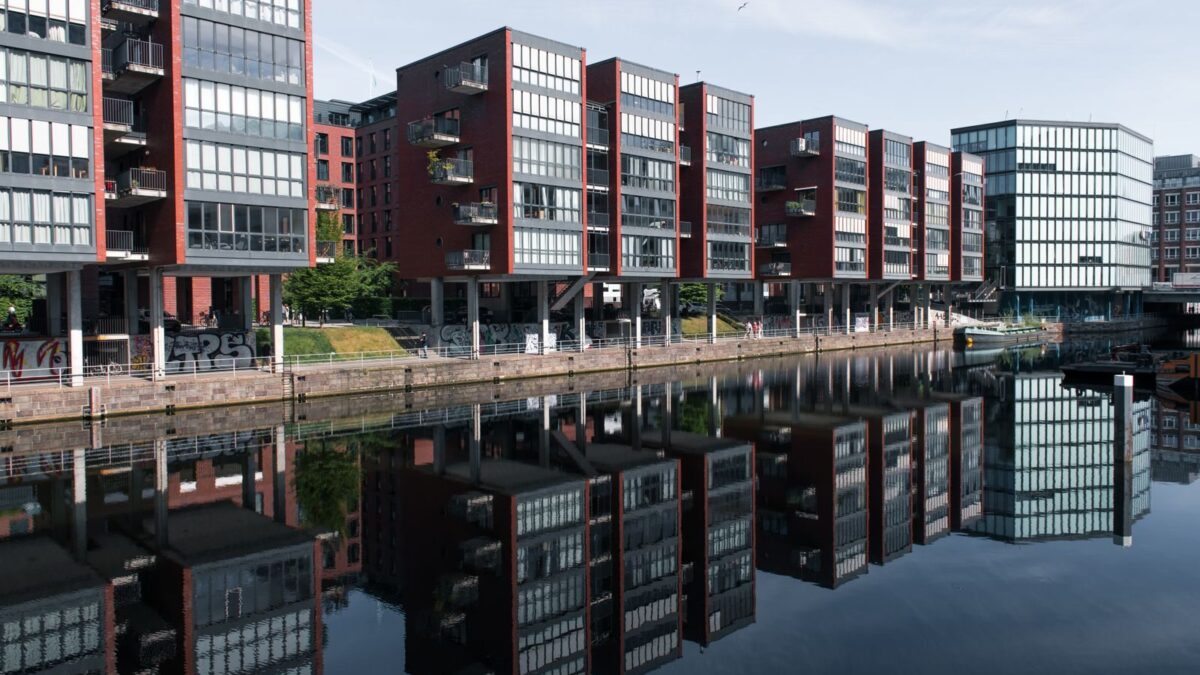
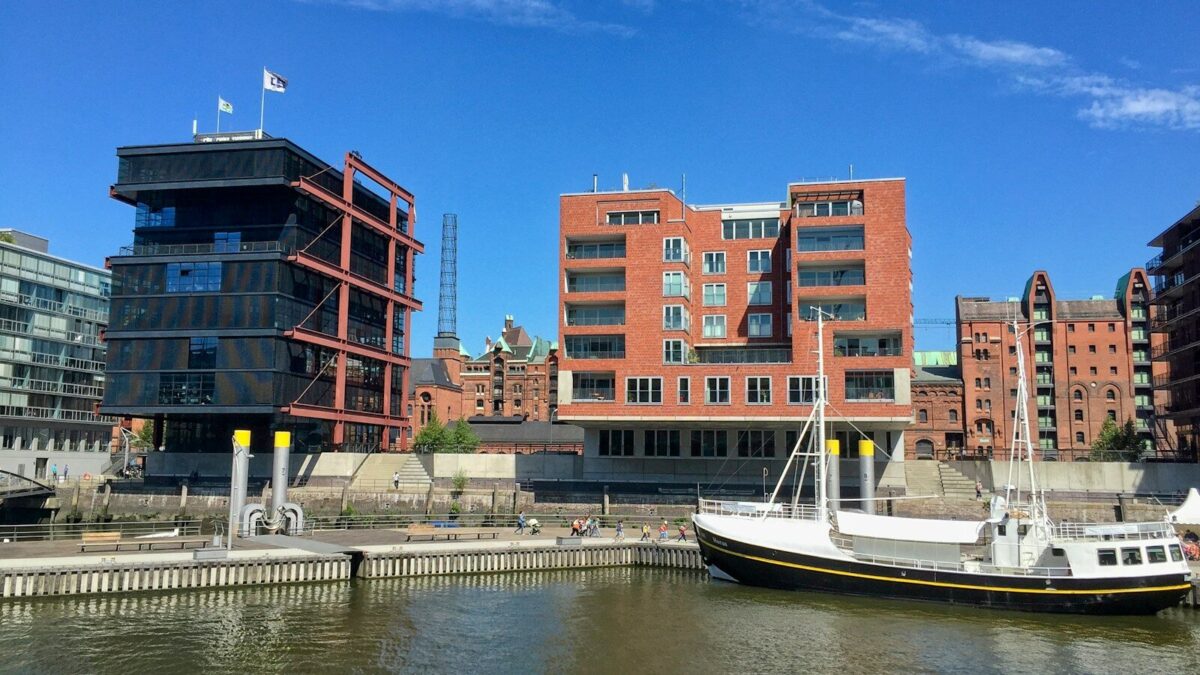
Hamburg’s HafenCity is considered Europe’s largest inner-city urban development project. For the past two decades, it has been transforming a former industrial port and warehouse area into a modern, vibrant district right on the waterfront. It expands Hamburg’s city center by approximately 40 percent. Guided by the vision of the “European city,” it integrates living, working, culture, leisure, and commerce into a dense, urban mix. Spectacular, award-winning architecture meets forward-looking sustainability standards. Artificial embankments protect the district from storm surges while maintaining a direct connection to the Elbe River.
A New District Between Tradition and Modernity
South of the historic Speicherstadt (warehouse district), HafenCity is expanding gradually from west to east. Once a fenced-off free port area, isolated from urban life, it has evolved into a pulsating link between the traditional city center and the Elbe River.
The Concept of “Mixed Use”
Unlike areas designed exclusively for housing or offices, HafenCity consistently embraces the principle of mixed use. Across its various quarters—from western areas like Dalmannkai and Überseequartier to eastern sections such as Baakenhafen and the Elbbrücken area—the following elements are closely interwoven:
- Housing: Thousands of modern homes catering to a diverse range of residents, from subsidized housing to exclusive townhouses and cooperative housing projects.
- Workplaces: Tens of thousands of jobs located in modern office complexes, creative agencies, start-ups, and major corporate headquarters.
- Education & Science and Education: Schools, daycare centers, and academic institutions—such as the Kühne Logistics University and the Medical School Hamburg (MSH)—bring vibrancy to the district.
Cultural Landmarks and Leisure Appeal
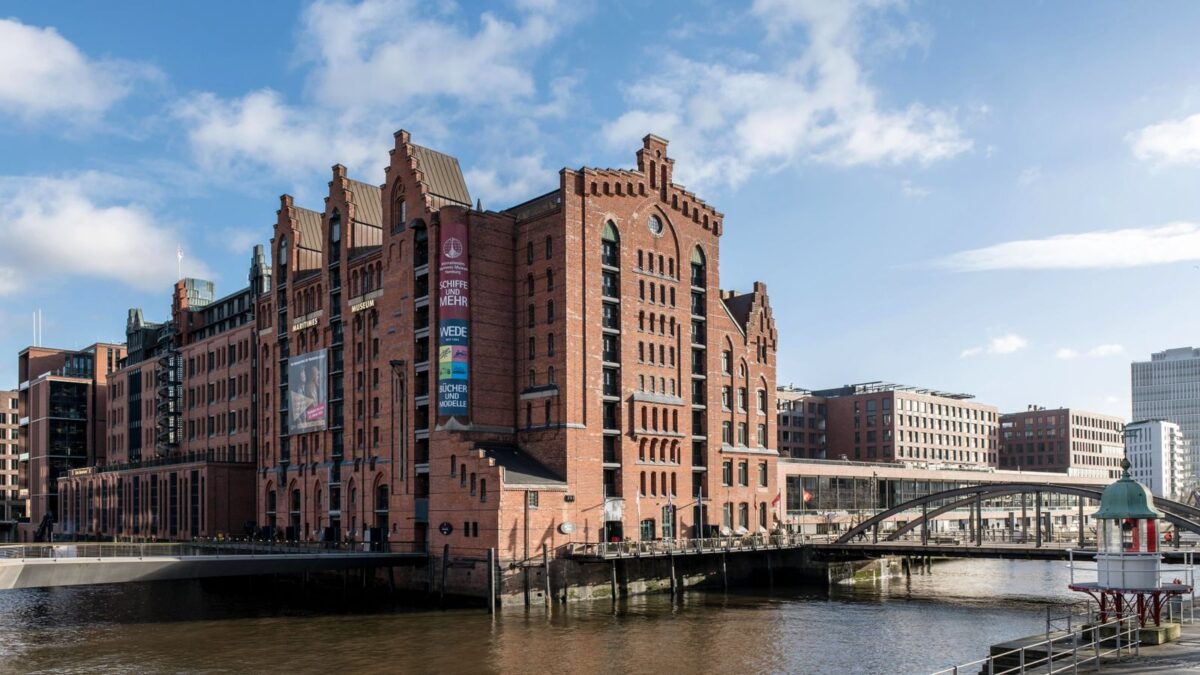
HafenCity has long since become a major attraction, drawing visitors from well beyond Hamburg’s borders. In addition to architectural icons like the Elbphilharmonie at the western gateway, the area is defined by museums (such as the International Maritime Museum), galleries, and an ever-expanding range of cultural offerings. Large, publicly accessible green spaces—including Lohsepark—and kilometers of promenades along the quayside invite people to stroll, relax, or engage in sports.
A Model for Sustainability and Climate Resilience
From the very beginning, the planning process placed a rigorous focus on ecological sustainability and energy efficiency. Innovative building concepts, carbon-reducing energy systems, and resource-efficient construction materials—such as the increased use of timber in modern high-rise developments—have turned HafenCity into an international “living lab” for the future of urban planning.
With its blend of forward-looking architecture, maritime flair, and a high quality of life, HafenCity serves as an impressive example of how a metropolis can successfully evolve and expand toward the water.
unavailable
none
free




By Public Transport:
- Underground (U-Bahn): The U4 and U3 underground lines form the backbone of local public transport in the district. The U4 serves the Überseequartier, HafenCity Universität, and Elbbrücken stations directly. The western part of the district is also excellently connected via the U3 line (with stops at Baumwall or near Überseequartier).
- Bus: Several bus lines—including the 111 service and various local district buses—provide strong connections between HafenCity, the surrounding neighborhoods, and the central railway station (Hauptbahnhof).
- Ferry: The HADAG ferry line 72 (departing from Landungsbrücken) calls at the Elbphilharmonie stop, among others, offering an alternative way to arrive by water.
By Car:
- Route: From the “Ring 1” (inner ring road) or major arterial roads such as Willy-Brandt-Straße, head south (towards the harbor/Speicherstadt area). You can then access HafenCity via various bridges and approach roads, such as Sandtorkai or Versmannstraße.
- Parking: There are numerous modern underground garages and multi-story car parks throughout the district—including the large facility at the Elbphilharmonie and parking options in the Westfield Überseequartier area.

