


Project Description
SPEICHERSTADT


Key Facts at a Glance
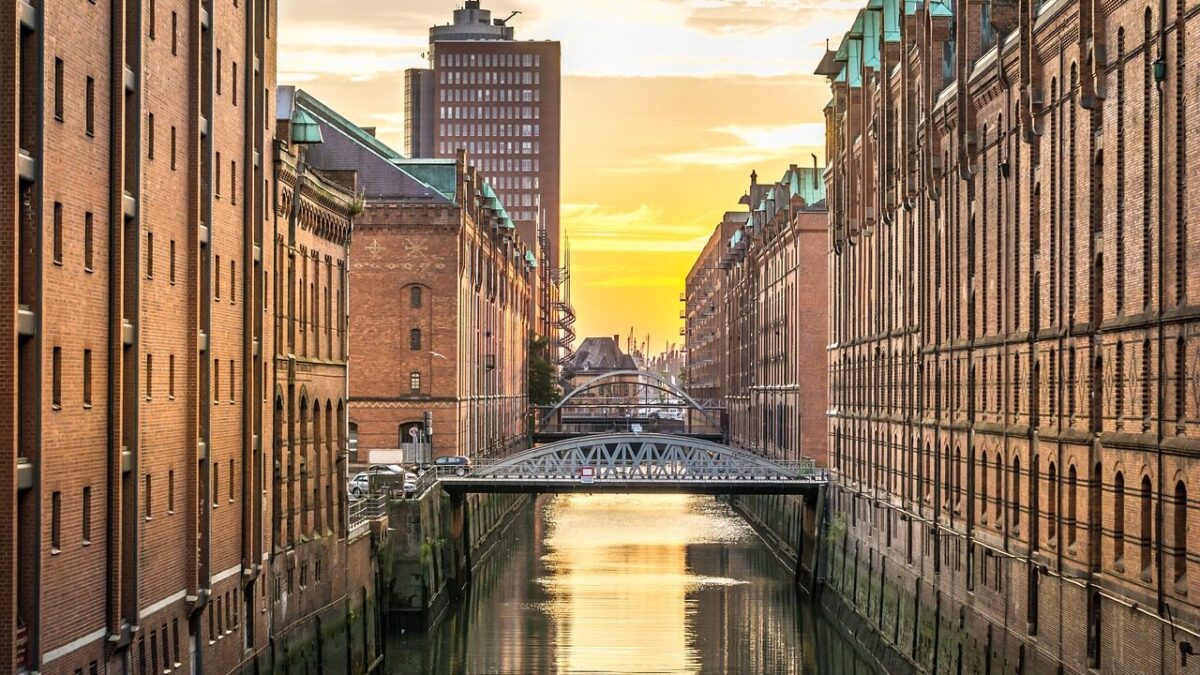
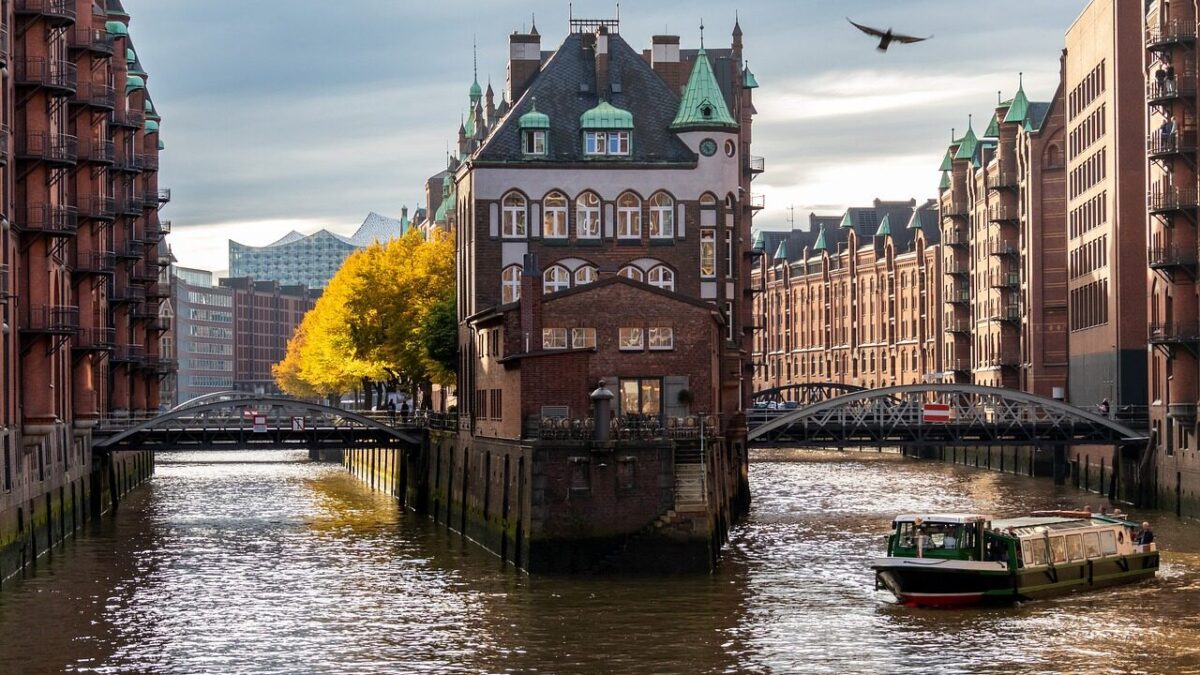
Hamburg’s Speicherstadt (Warehouse District) is the world’s largest historic warehouse complex. In 2015, it—along with the adjacent Kontorhaus District—was designated an official UNESCO World Heritage Site. Stretching for approximately 1.5 kilometers, the district features striking, Neo-Gothic-style brick buildings constructed atop thousands of oak piles, set amidst a network of canals known as *Fleete*. Originally established in 1883 as a duty-free transshipment hub for valuable goods such as coffee, tea, cocoa, and carpets, the area has since evolved into one of the Hanseatic city’s most captivating cultural, museum, and architectural hotspots.
Origins and Historical Significance
The history of the Speicherstadt is inextricably linked to Hamburg’s role as a major trading metropolis. When the German Empire joined the *Zollverein* (Customs Union) in 1888, the Free and Hanseatic City of Hamburg negotiated a special status: it retained its “free port” (*Freihafen*) to ensure that its flourishing global trade would not be hindered by customs duties.
To secure this status, a vast, strictly controlled storage area had to be created for the duty-free warehousing and processing of imported goods. The construction of this colossal complex, which began in 1883, necessitated the complete demolition of entire residential neighborhoods in Hamburg’s Kehrwieder and Wandrahm districts, resulting in the relocation of over 20,000 people. Under the direction of Chief Construction Director Franz Andreas Meyer, an architectural masterpiece—characterized by red brick, terracotta ornamentation, and cast-iron elements—was developed, with construction continuing until 1927.
Architecture on the Water: The Foundation
Perhaps the most fascinating technical detail of the Speicherstadt is its foundation. Because the site is located directly on the Elbe River and is subject to the constant ebb and flow of the tides, the massive buildings do not rest on solid ground; instead, they stand on a foundation of 3.5 to 4 million wooden piles driven deep into the silt.
The architecture follows the principles of the Gothic Brick style, combined with functional elements from the industrial age. The warehouses—known locally as “Speicher”—feature a sophisticated system of freight elevators and canal-side access points. They can be reached from the street via loading ramps, as well as directly from the water via the network of canals (known as “Fleete”). In the past, this allowed vessels—specifically flat-bottomed barges called “Ewer”—to pull up alongside the warehouses at high tide, where their cargo could be hoisted directly into the upper floors using winches.
From Trading Hub to UNESCO World Heritage Site
For decades, the Speicherstadt served as an undisputed global trading center for specific commodities. Among other things, Hamburg rose to become the world’s largest hub for the carpet trade. Even today, a significant portion of the world’s supply of raw coffee is still stored within these historic walls.
With the modernization of logistics, the shift toward containerized freight, and the gradual phasing out of the traditional “free port” status, the function of the district underwent a fundamental transformation. The historic structures were placed under strict heritage protection. In July 2015, UNESCO designated the Speicherstadt—along with the Chilehaus and the Kontorhaus District—as a World Heritage Site, recognizing the ensemble as an outstanding testament to the era of rapidly expanding global trade during the late 19th and early 20th centuries.
Contemporary Use and Cultural Diversity
Today, the Speicherstadt is a vibrant destination that seamlessly blends history, modern offices, dining, and world-renowned attractions:
- Miniatur Wunderland: Located in the historic Block L, this is the world’s largest model railway exhibition, drawing millions of visitors every year.
- Speicherstadt Museum: Housed in an original warehouse, this museum sheds light on the working lives of the district’s traditional warehouse keepers—known as Quartiermänner—as well as the history of Hamburg’s tea and coffee trade.
- International Maritime Museum: Situated in the city’s oldest warehouse, it showcases an extensive collection dedicated to maritime history.
- Coffee Roasteries & Culinary Delights: Some of the warehouses still host traditional coffee-roasting operations, where visitors can sample the coffee on-site.
- Dialoghaus Hamburg: Through its exhibition “Dialogue in the Dark,” it offers a unique shift in perspective—experienced in complete darkness.
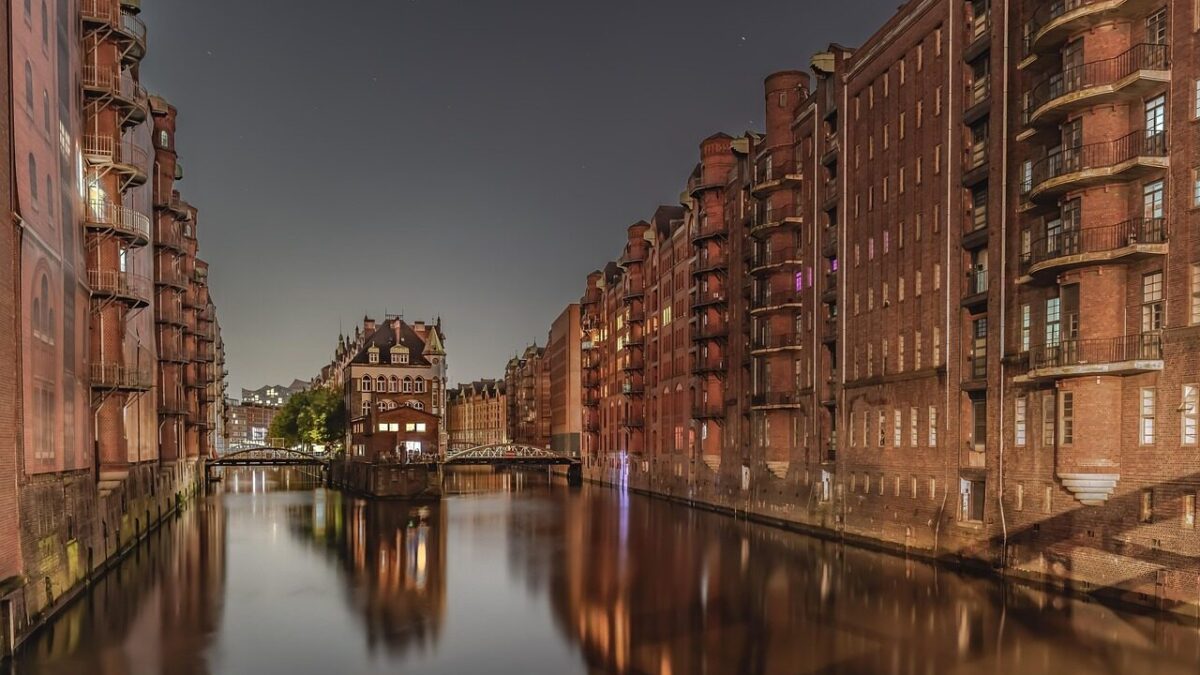
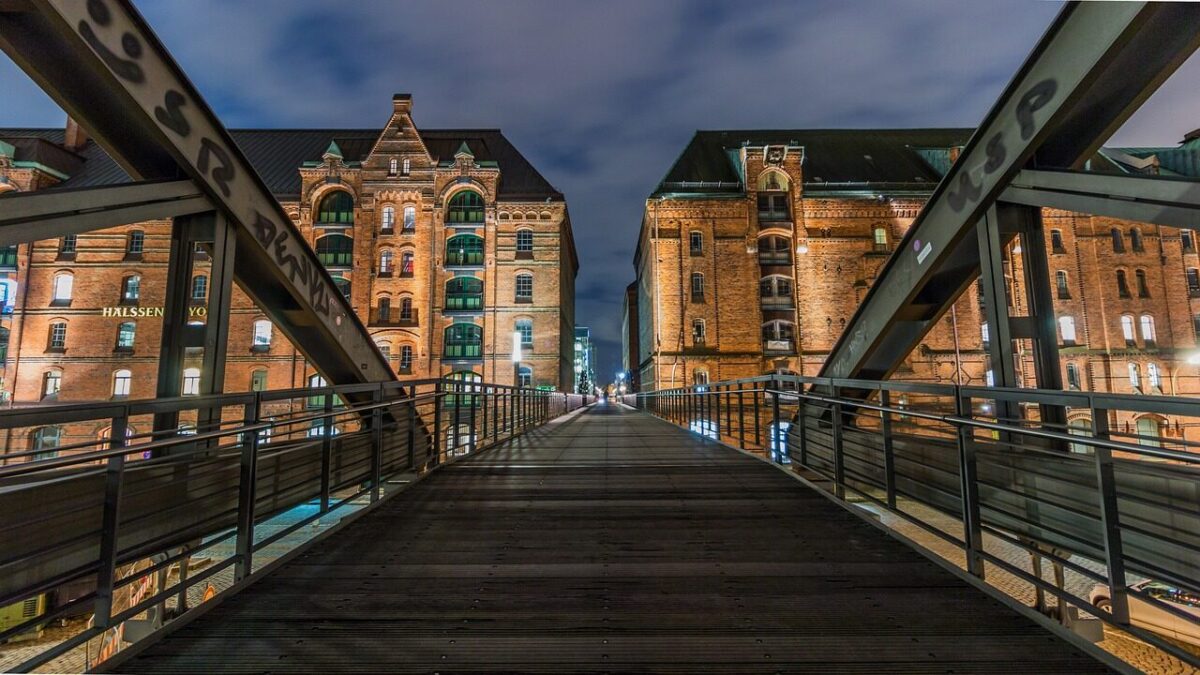
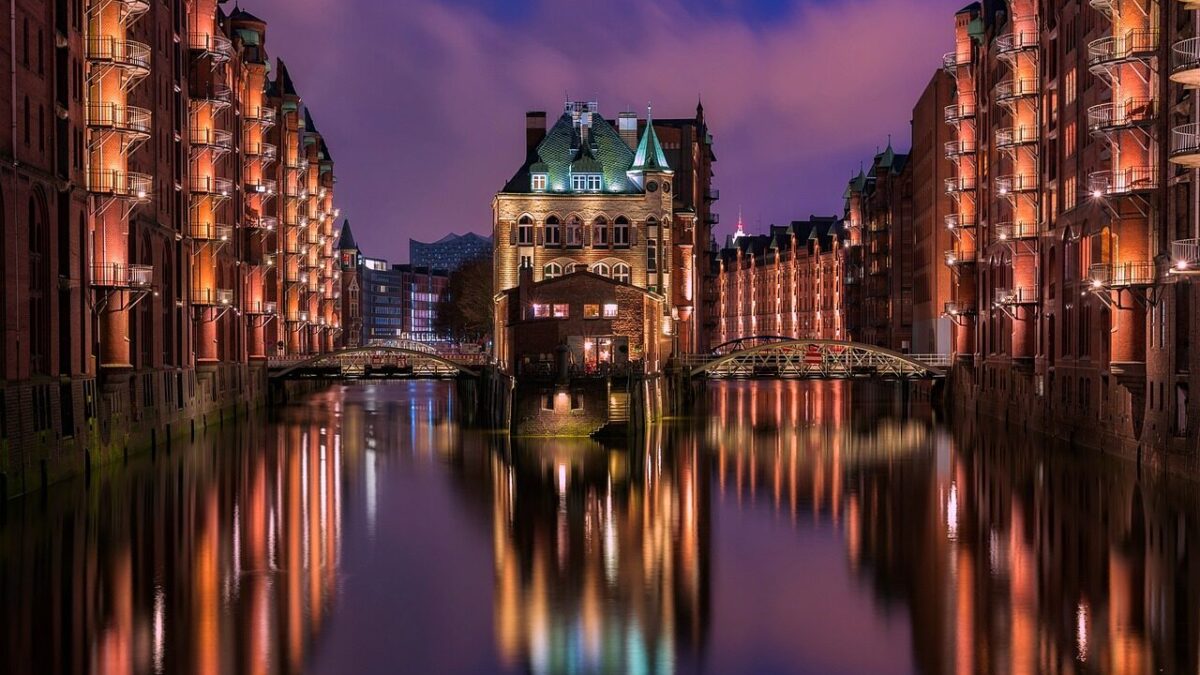
The Speicherstadt is particularly enchanting in the evening hours, when a sophisticated lighting concept casts an atmospheric glow over the Gothic-style facades and bridges, and the illuminated brick buildings are reflected in the dark waters of the canals.
unavailable
none
free




By Public Transport:
- Underground (U-Bahn):
- The U3 line is the best option. The Baumwall station is located right on the western edge of the Speicherstadt (from there, it is only about a 5-minute walk to destinations such as the Speicherstadt Museum or the canal-side areas).
- The Meßberg or Überseequartier (U4 line) and Landungsbrücken (U3 line) stations are also excellent starting points for a walk.
- Bus:
- The Metrobus 2 and city bus 111 both stop at Am Kaiserkai / Elbphilharmonie, which is situated right next to the historic warehouse blocks.
- Depending on where you start in the city center (e.g., from the Town Hall/Rathaus or Speersort), various other bus lines also provide convenient access to the area.
By Car:
- Getting there: You can reach the area surrounding the Speicherstadt directly from the city center or via major arterial roads (such as the A 255 / B 4, heading toward the city center/harbor).
- Parking: There are several multi-story and underground parking garages in and around the Speicherstadt, as street-side parking is often very limited and typically requires payment.
Good options include, for example:
- The Contipark parking garage in the Speicherstadt (Am Sandtorkai 6)
- The underground parking garage at Am Sandtorkai / Singapurstraße
- The parking garage at Miniatur Wunderland, or parking facilities in the adjacent Überseequartier
- Alternatively, the Klosterwall underground parking garage on the edge of the city center, from which it is a pleasant 10 to 12-minute walk to the Speicherstadt.

