


Project Description
THALIA THEATER


Key Facts at a Glance
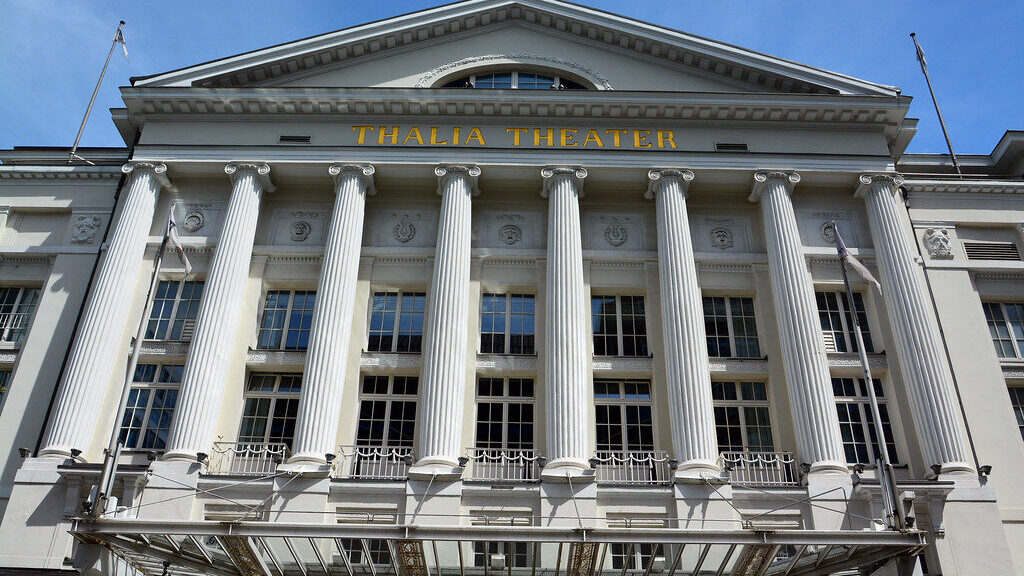
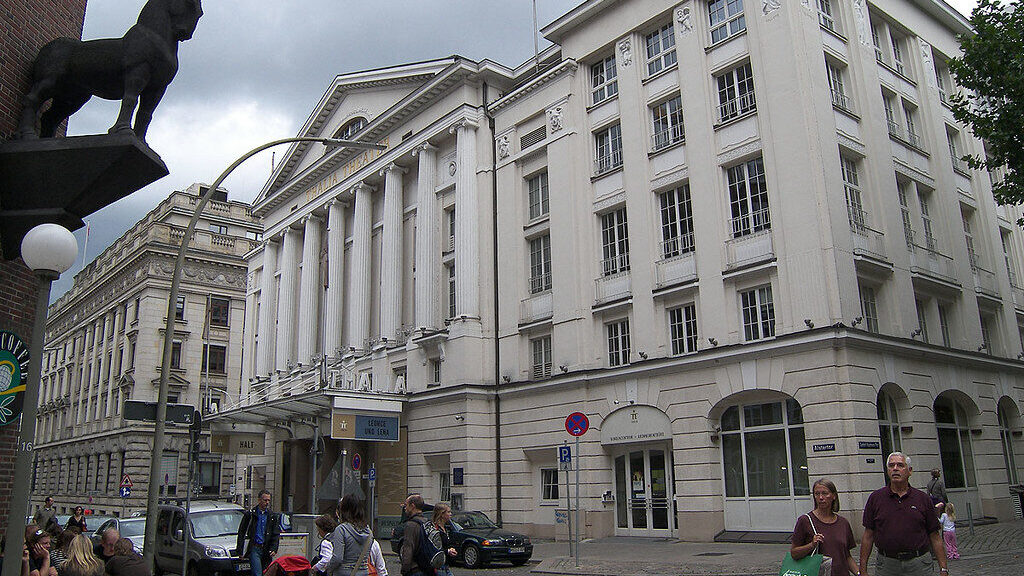
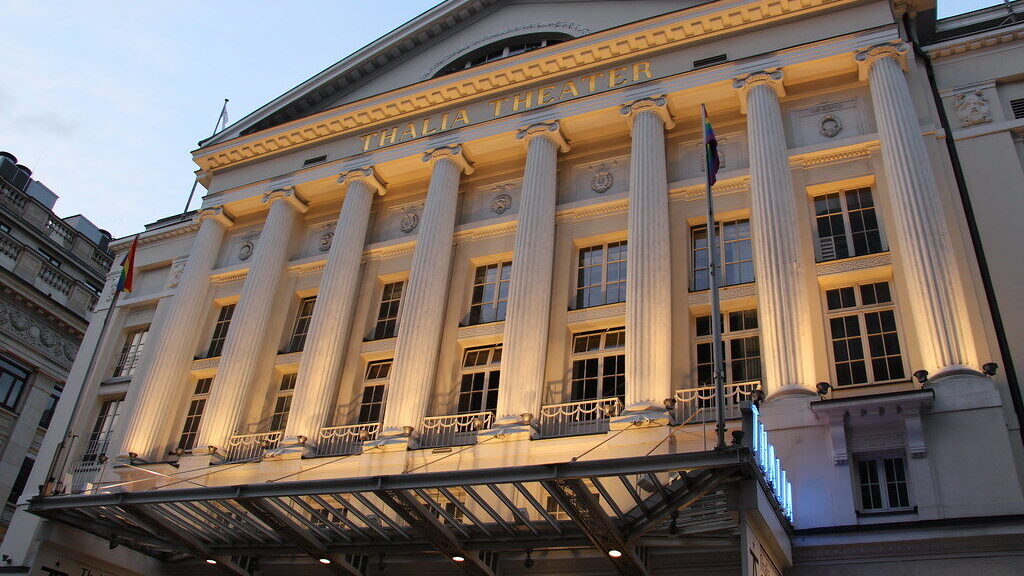
The Thalia Theater in Hamburg is one of Germany’s most renowned and significant spoken-word theaters. Founded in 1843, it is one of the four official state-supported theaters in the Hanseatic city. Named after Thalia—the ancient Greek muse of comedy—the venue on Gerhart-Hauptmann-Platz boasts a rich and eventful history. It is particularly well-known for its high-caliber resident ensemble, which blends classical material with modern, socially critical, and contemporary productions. In addition to its main house in the city center, the theater operates a second, experimental venue—the “Thalia in der Gaußstraße” in the Altona district—and shapes the city’s cultural life through international festivals such as the “Lessingtage.”
Historical Roots and Development
- Founding in the 19th Century: The Thalia Theater was established in 1843 and was initially located in a building not far from its current site. From the very beginning, it served as a venue for entertainment, drama, and comedy.
- The New Building: Under the direction of Leopold Jessner, the current, iconic theater building on Gerhart-Hauptmann-Platz (near Mönckebergstraße) was opened in 1912.
- Destruction and Reconstruction: During the Second World War, the theater was severely damaged in air raids.
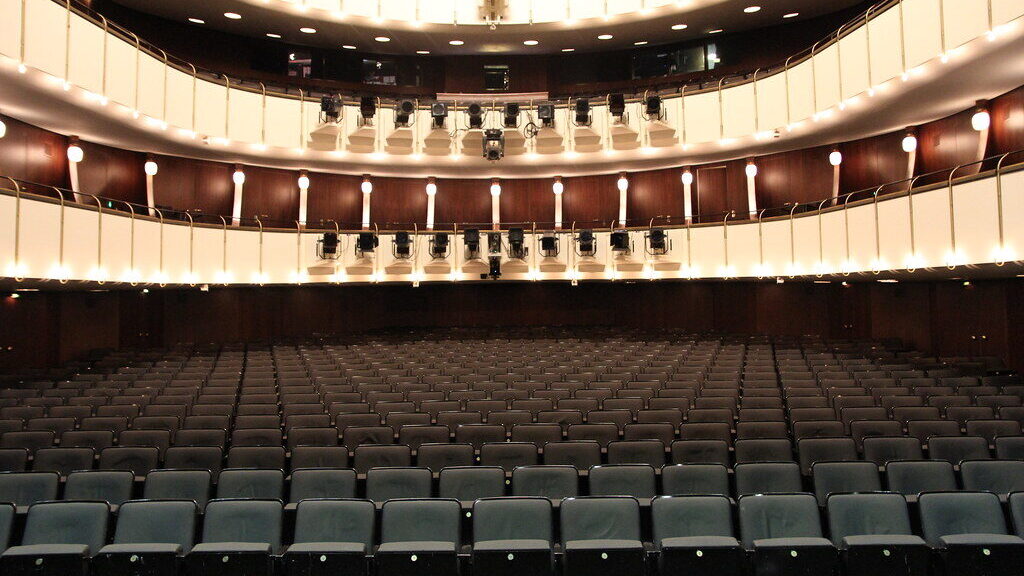
Following a provisional post-war period and an extensive redesign of the interior in the style of post-war modernism (based on plans by Werner Kallmorgen), the theater reopened in December 1960.
Venues of the Thalia Theater
Today, the theater operates at two prominent locations in Hamburg:
- The Main House: Located on Gerhart-Hauptmann-Platz, the main auditorium (*Großes Haus*) offers approximately 1,000 seats. It hosts major premieres, adaptations of classical literature, and visually striking directorial works.
- Thalia in der Gaußstraße (Altona): The theater has operated this second venue since 2000. With around 200 seats, it serves as a platform for world premieres by young playwrights, experimental theater, discussion forums, and participatory projects that are deeply integrated into the local neighborhood.
Artistic Profile and Ensemble
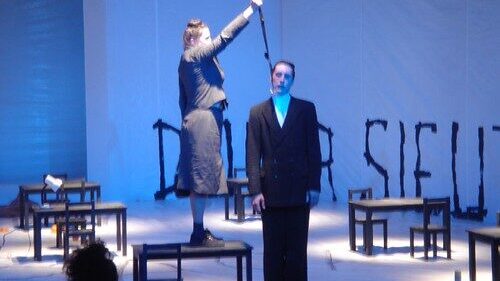
The Thalia Theater functions as a traditional repertory theater with a permanent ensemble. A core group of high-caliber actors—including well-known figures such as Jens Harzer, Jörg Pohl, Sebastian Rudolph, and Victoria Trauttmansdorff—defines the artistic identity of the institution.
- The Repertoire: The program spans a wide spectrum, ranging from classical dramas (Shakespeare, Schiller, Molière, Goethe) to contemporary novel adaptations, modern plays, and interdisciplinary projects.
- International Focus: The theater places great importance on global exchange. Productions are frequently presented with surtitles, and the theater regularly tours to international festivals across the globe—from Europe to Asia and Australia.
Cultural Impulses and Festivals
An absolute highlight in Hamburg’s cultural calendar is the *Lessingtage* (Lessing Days) festival, held annually in the spring (January/February). This international theater festival focuses on socially and politically relevant issues, fostering understanding between cultures and religions, and promoting global dialogue; it attracts artists and guests from all over the world.
By blending a respect for tradition with a bold, innovative approach—both politically and aesthetically—the Thalia Theater remains one of the most artistically influential stages in the German-speaking world.
+49 40 32 81 44 44
On performance days, the box office generally opens about an hour before the start of the respective performance.
Varies from performance to performance. For all information on ticket and subscription prices, see the website.




The main venue of the Thalia Theater is centrally located at Alstertor in Hamburg’s city center and enjoys excellent public transport connections.
By public transport:
- The Rathaus (U2, U3 lines) and Gerhard-Hauptmann-Platz stops are within easy walking distance. The central train station (Hauptbahnhof) and the Jungfernstieg U-Bahn and S-Bahn station are also just a few minutes’ walk away.
By car:
- As the theater is situated right in the city center, the best approach is via major thoroughfares such as Ballindamm or Willy-Brandt-Straße. There are several parking garages in the immediate vicinity, including the one at Europa-Passage and the underground parking facilities at Rathausmarkt.

