


Project Description
FORTRESS MUSEUM


Key facts a Glance
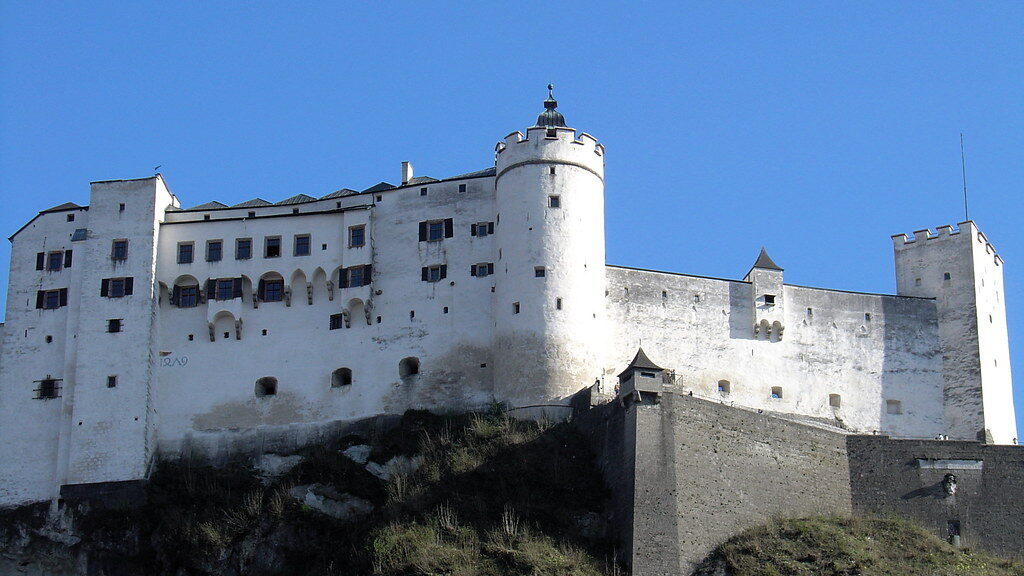
The Fortress Museum, located within the world-famous Hohensalzburg Fortress, is one of Austria’s most visited cultural institutions. Situated in the historic *Hoher Stock* (High Floor) section of the castle complex, it is operated by the Salzburg Museum. Through a diverse permanent exhibition, the museum showcases the fortress’s architectural history and offers fascinating insights into daily life, culture, and medieval and early modern military defense.
Detailed Information About the Fortress Museum
History and Location
The museum’s origins date back to the First World War era, when Hohensalzburg Fortress—having lost its military function—increasingly evolved into a tourist attraction (prior to this, in the 19th century, it had served primarily as a barracks and depot). The Fortress Museum officially opened in 1952. To meet the demands of modern visitor engagement, it has undergone several major redesigns (including in 2000—winning the Austrian Museum Prize—and most recently in 2019). Exhibition Highlights
The tour takes visitors through around a dozen thematically organized rooms that shed light on various facets of the site’s history:
- Construction History and Architecture: The exhibition documents how the complex, founded in the 11th century, expanded over the centuries to become one of Europe’s largest surviving medieval castle complexes.
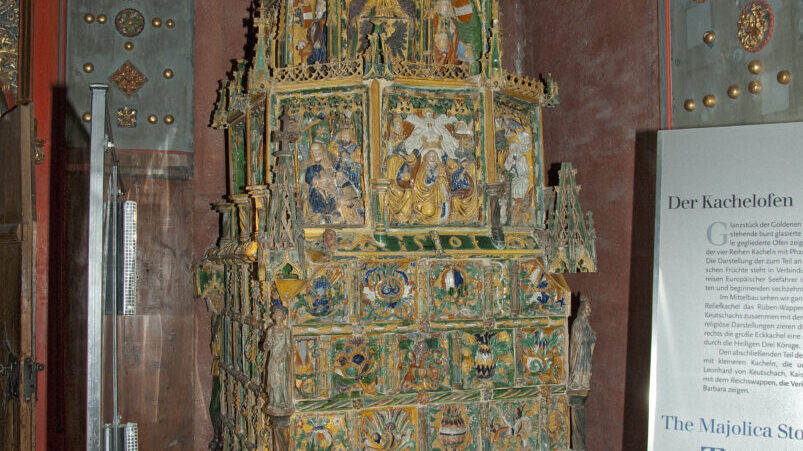
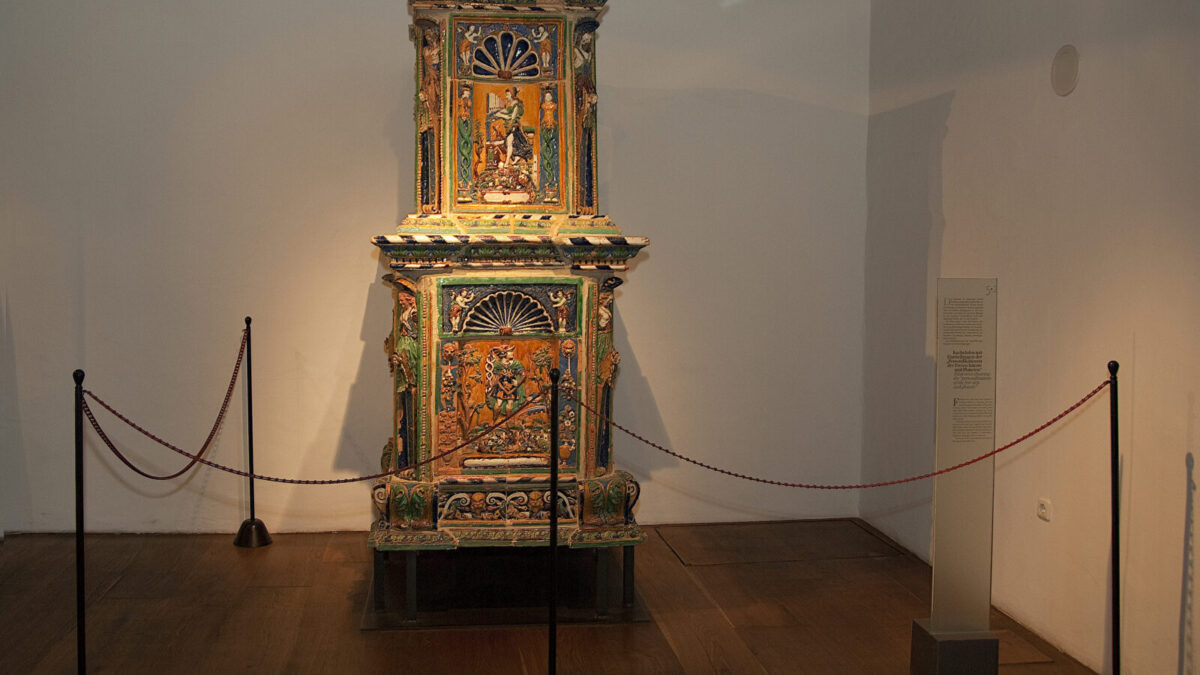
- Daily Life and Living: Visitors gain vivid insights into medieval daily life, featuring a fully furnished historic castle kitchen, Gothic furniture, and examples of the craftsmanship and trade of the era.
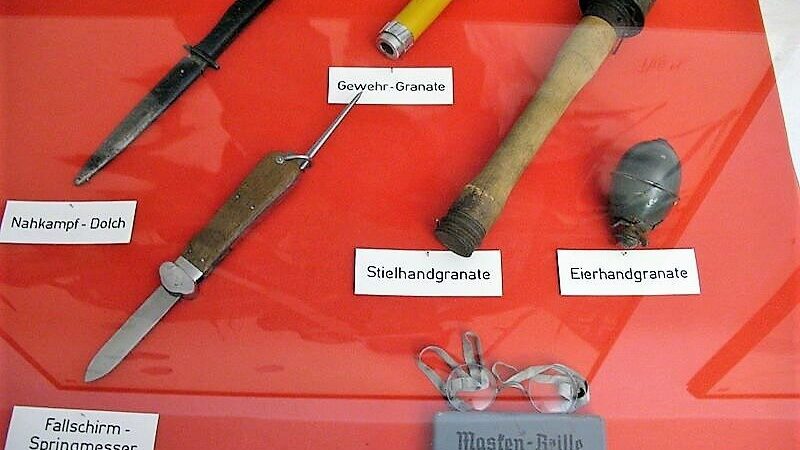
- Defense and Weaponry: As a former defensive stronghold for the Prince-Archbishops of Salzburg, the museum displays historic weapons, armor, and military equipment.
- Culture and Personalities: In addition to exhibits on regional history, the display highlights connections to historical figures associated with the city—such as the physician and philosopher Paracelsus.
Context and Visitor Information
The Fortress Museum is an integral part of the overall Hohensalzburg Fortress experience and is included in the standard fortress admission fee. It also serves as a link to the historic Prince’s Chambers, which are accessible via the museum. Thanks to accessible text displays (including sections in “Easy Language”), the exhibition is widely accessible, while its hilltop location offers spectacular panoramic views of the city of Salzburg and the surrounding Alpine landscape.
+43 662 84 24 30 – 14
| Monday | Tuesday | Wednesday | Thursday | Friday | Saturday | Sunday |
|---|---|---|---|---|---|---|
| 9 am – 7 pm | 9 am – 7 pm | 9 am – 7 pm | 9 am – 7 pm | 9 am – 7 pm | 9 am – 7 pm | 9 am – 7 pm |
Various ticket categories are available for Hohensalzburg Fortress (which also houses the Fortress Museum), with prices tiered according to the type of admission and whether the funicular ride is included:
- All-Inclusive Ticket (incl. funicular & all exhibitions such as the Princes’ Chambers and museums):
- Adults: approx. €19.20 (or approx. €16.50 without the funicular if walking up)
- Children (6 to 14 years): approx. €7.30 (with funicular)
- Basic Ticket (standard tour and museums, excluding Princes’ Chambers):
- Adults: approx. €15.50 (with funicular)
- Children (6 to 14 years): approx. €6.30 (with funicular)
- Panorama Ticket (limited off-peak times):
- Adults: approx. €12.80 (with funicular)
- Children: approx. €5.20 (with funicular)
(Note: Additional discounts are available for families, groups, and students. Admission is also free on one occasion with the SalzburgCard.)




By car
Hohensalzburg Fortress is located in the heart of Salzburg’s historic, largely car-free Old Town. Consequently, it is not possible to drive your own car directly to the fortress gate. The nearest parking garage is the Mönchsberggarage.
By public transport
Trolleybus lines 1, 3, 5, 6, and 10; get off at the Rathaus or Ferdinand-Hanusch-Platz stop. From there, it is an 8–10 minute walk through the Old Town—via Residenzplatz and Kapitelplatz—to the valley station of the funicular.

