


Project Description
KLESSHEIM PALACE


At a Glance
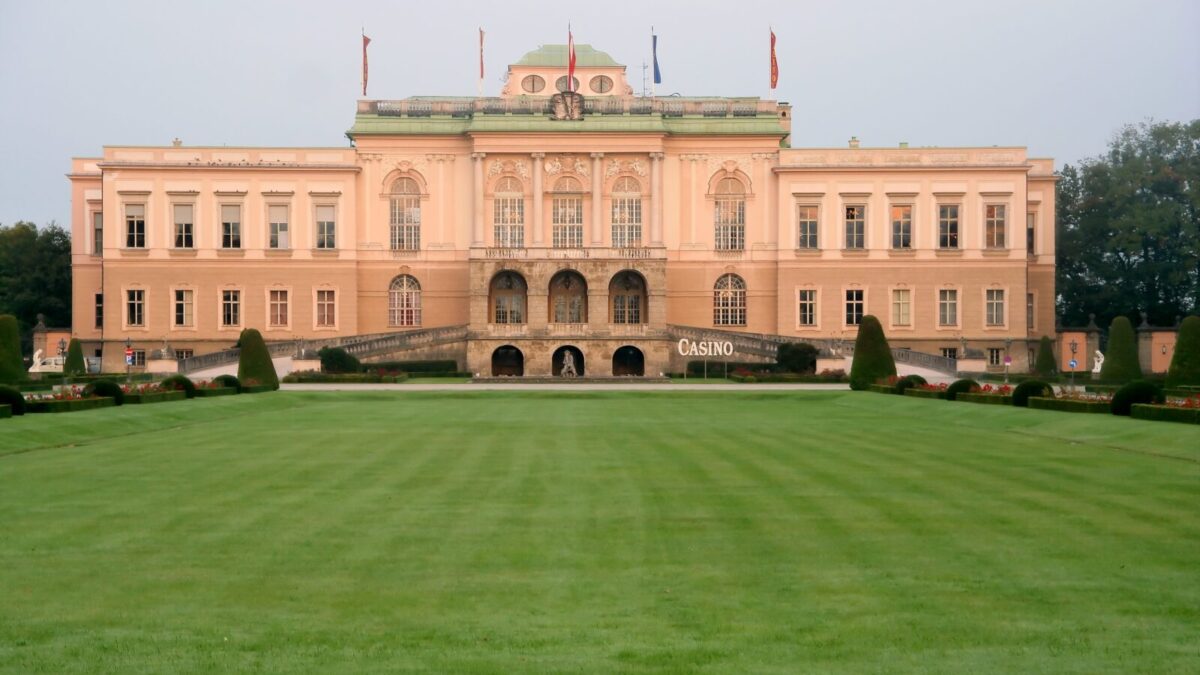
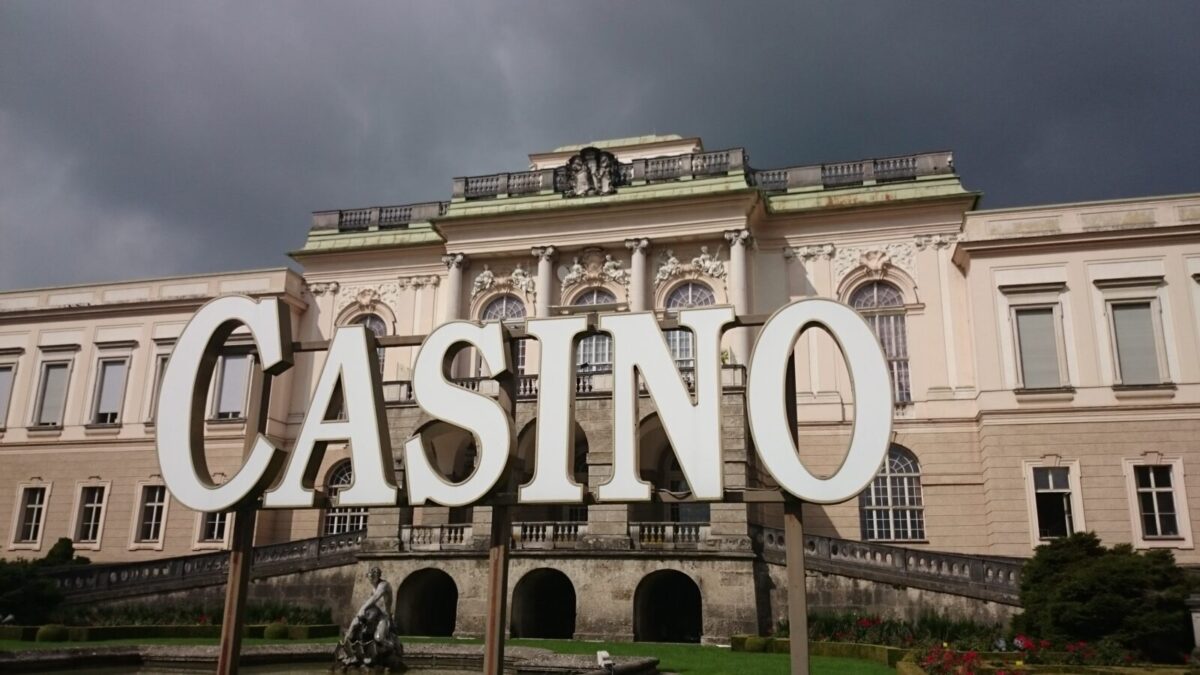
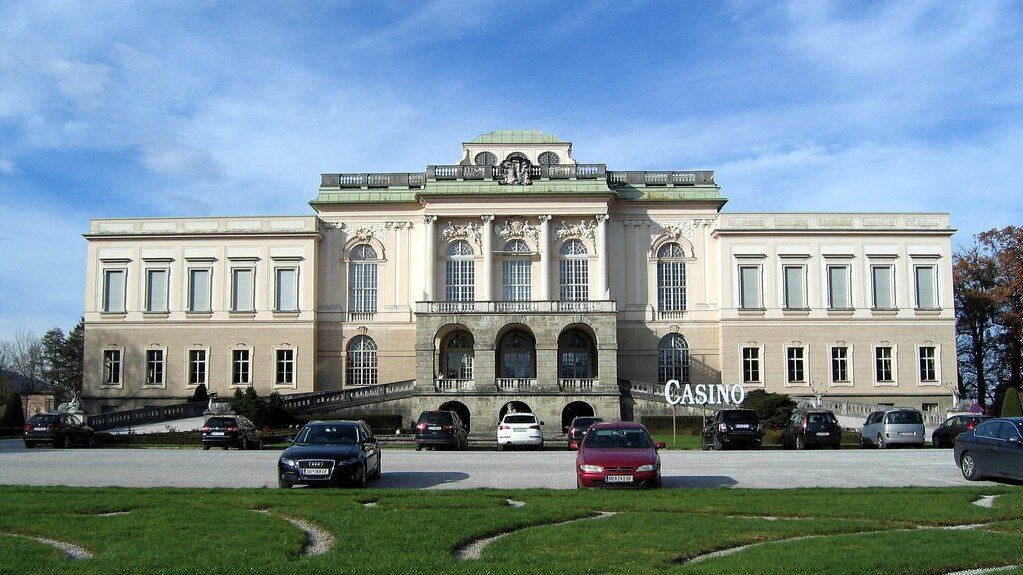
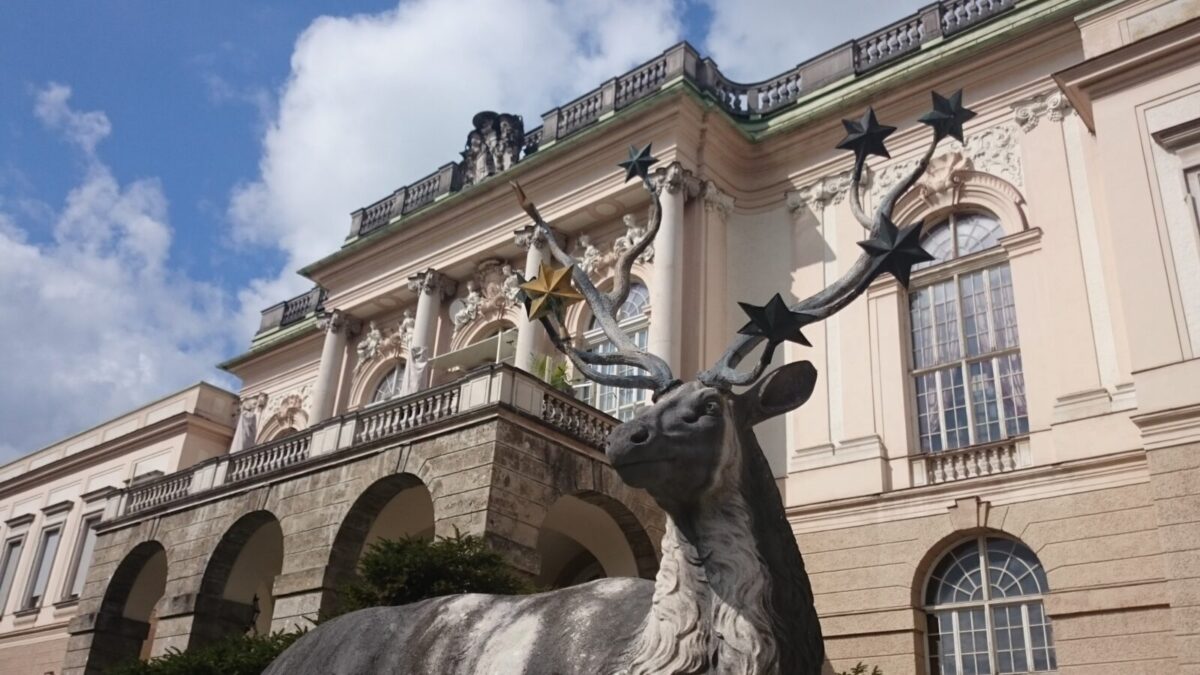
Klessheim Palace, located just outside the city of Salzburg in the municipality of Wals-Siezenheim, is one of Austria’s most significant Baroque pleasure palaces. Originally commissioned by Prince-Archbishop Johann Ernst von Thun based on designs by the renowned Baroque architect Johann Bernhard Fischer von Erlach, the elegant complex served as a summer retreat for Salzburg’s rulers. Today, the historic ensemble combines magnificent Baroque architecture with modern usage: in addition to housing the exclusive Casino Salzburg, the palace is regularly used for prestigious state receptions hosted by the State of Salzburg and is surrounded by an expansive, heritage-protected palace park.
Historical Development and Architecture
The history of Klessheim Palace began in the late 17th century, when Salzburg’s Prince-Archbishops sought a replacement for the existing small “Favorita” estate building:
-
- Fischer von Erlach’s Design: Around 1700, Prince-Archbishop Johann Ernst Count von Thun commissioned the eminent Baroque architect Johann Bernhard Fischer von Erlach. His original design envisioned an exceptionally monumental pleasure palace; however, for cost reasons, the project was realized in a simplified form.
- Completion under Successors: Following the patron’s death in 1709, construction work was interrupted at various stages.
It was not until the time of Prince-Archbishop Leopold Anton von Firmian (who also built Leopoldskron Palace) that the main building—comprising the *Kavalierhaus* (gentlemen’s quarters) and the *Corps de Logis* (main residential wing)—was essentially completed.
- Neoclassical Renovation: At the end of the 18th century, the last reigning Prince-Archbishop, Hieronymus von Colloredo, commissioned a partial redesign of the palace park in the English landscape style and had the interiors adapted to the Neoclassical taste.
Architectural Highlights and Interior Features
The building impresses with a harmonious blend of monumental Baroque façade design and an elegant interior layout:
- The Loggia and Entrance Ramp: Characteristic features of Klessheim include the imposing, broad outdoor staircase and the elegant series of arches along the main façade, which lend the structure a palatial air of lightness.
- The Ceremonial Hall (Marble Hall): The heart of the palace interior is the central, light-filled Marble Hall. Spanning two stories, it is adorned with magnificent stucco work, *trompe-l’œil* architectural details, and impressive ceiling frescoes.
- Triton Fountain: Outside, the Baroque Triton Fountain dominates the grounds; it depicts a powerful scene from Greek mythology and exemplifies the Baroque art of water features.
A Tumultuous History in the 20th Century
In the 20th century, Klessheim Palace underwent a highly varied and historically fraught period of use:
- Interwar Period & Nazi Dictatorship: Following the end of the monarchy, the palace passed into the ownership of the federal state of Salzburg. During the Nazi era, Klessheim Palace served as a venue for state receptions hosted by Adolf Hitler and the National Socialists (including visits by Benito Mussolini). To this end, additions were made to the interior, such as the characteristic eagle figures on the portal structures.
- Occupation period: After 1945, the US military administration used the palace as its headquarters in the occupation zone.
Current Use: Casino and Venue for Formal Occasions
Today, Klessheim Palace serves as a vibrant hub for culture and entertainment:
- Casino Salzburg: Since 1993, the palace has housed the Casino Salzburg. The gaming halls blend stylishly with the historic Baroque rooms, offering a unique atmosphere.
- Palace Park: The extensive park grounds are a popular local recreation area. Part of the park is also used by the Salzburg Agricultural Center and the Klessheim Fashion School.
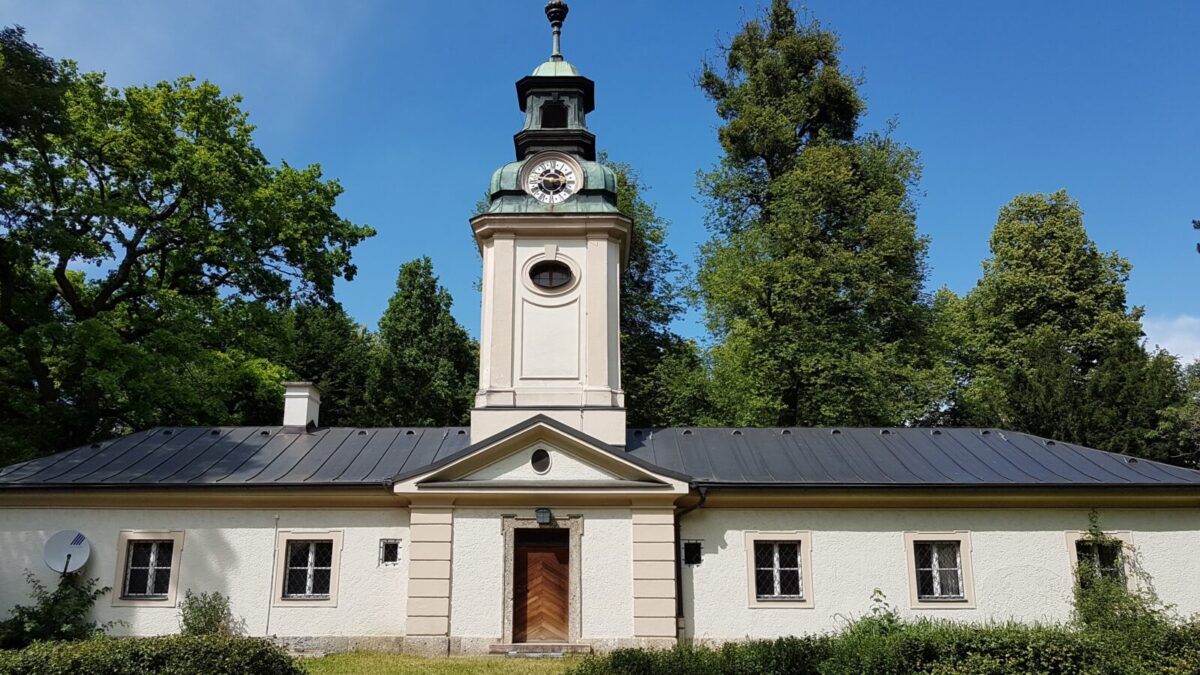
- Kavalierhaus Klessheim: The adjacent Kavalierhaus now serves as an event and conference center for functions, weddings, and seminars.
+43 662 8544550
As Klessheim Palace currently serves as the headquarters for Casino Salzburg rather than a traditional museum offering daytime tours, the main building’s opening hours are determined by gaming and dining operations.
Casino Salzburg (inside the palace)
- Slot machines: Daily from 10:00 a.m. to 3:00 a.m.
- Classic games (Roulette, Blackjack, Poker): Daily from 3:00 p.m.
- Day closed: The casino is closed on December 24.
- Note: Access to the palace interiors is permitted as part of casino operations (requirements: minimum age of 18/photo ID and appropriate attire).
Klessheim Palace Park
- The historic palace park is open to the public during the day as a local recreation area (generally from dawn until dusk).
none




By Car
The palace enjoys excellent connections to the regional and national road network:
- Via the Westautobahn (A1):
- Take the Klessheim exit (Exit 293).
- After exiting, follow the signs directly towards Schloss Klessheim / Casino.
- From Salzburg city center:
- Drive outwards from the city center via Innsbrucker Bundesstraße (B1) or Neutorstraße towards Siezenheim/Klessheim.
- On-site parking:
- Ample parking is available directly in front of the palace and the complex; spaces are either free of charge or reserved for casino guests.
By Public Transport
From Salzburg Central Station (Hauptbahnhof):
- Take bus line 1 towards Walserfeld or Siezenheim.
- Get off at the Klessheim Schloss or Klessheim Berufsschule stop.
- From the stop, you can reach the palace via the historic avenue in about 3 to 5 minutes on foot.
From the city center / Mirabellplatz:
- You can also take bus line 1 directly from Mirabellplatz (travel time approx. 20 minutes).
By S-Bahn (S1 / S3):
- Travel to the Salzburg Taxham Europark station. From there, it is either a 15–20 minute walk through the park or a short connecting trip on bus line 1.

