


Project Description
MÖNCHSBERG


At a Glance
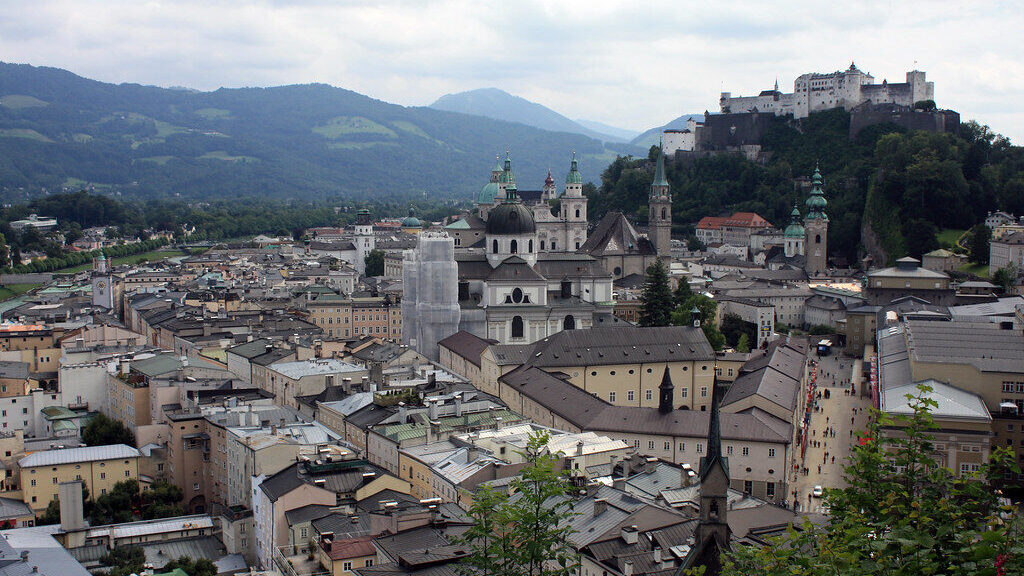
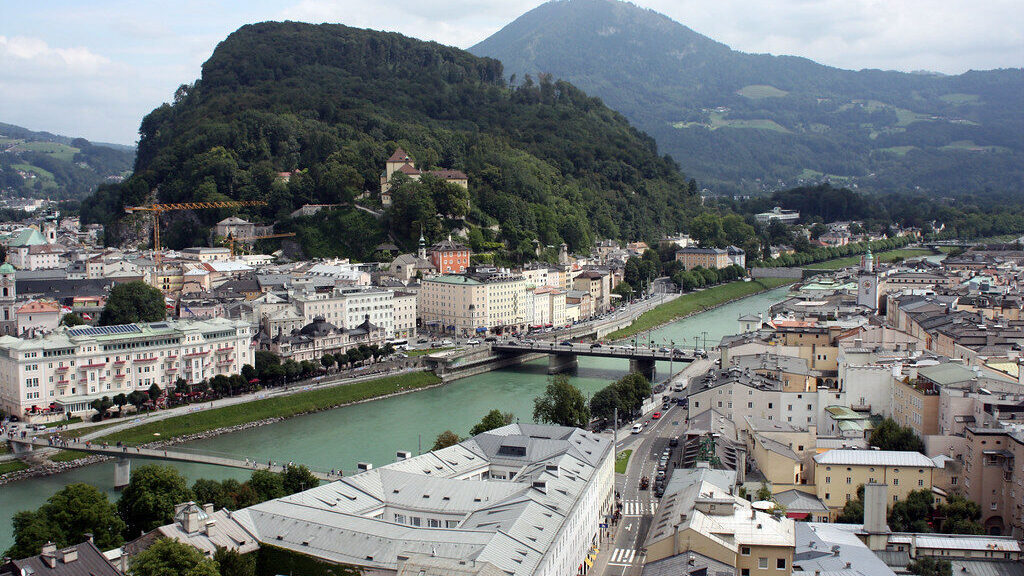
The Mönchsberg is the city’s local mountain—rising to approximately 508 meters—located in the heart of Salzburg; together with the Hohensalzburg Fortress, it defines the world-famous skyline of the city of Mozart. Named after the monks of the nearby Benedictine Abbey of St. Peter, this elongated plateau mountain, composed of conglomerate rock, stretches for about 1.7 kilometers along the Salzach River. Today, the Mönchsberg is not only a historic fortress site featuring numerous small palaces and defensive structures but also, and above all, a popular local recreation and cultural area. In addition to shady forest paths, meadows, and spectacular viewpoints, it is home to the Museum der Moderne—an international cultural highlight that is easily accessible via the Mönchsberg Lift.
Geology and Nature: The Green Ridge of Nagelfluh
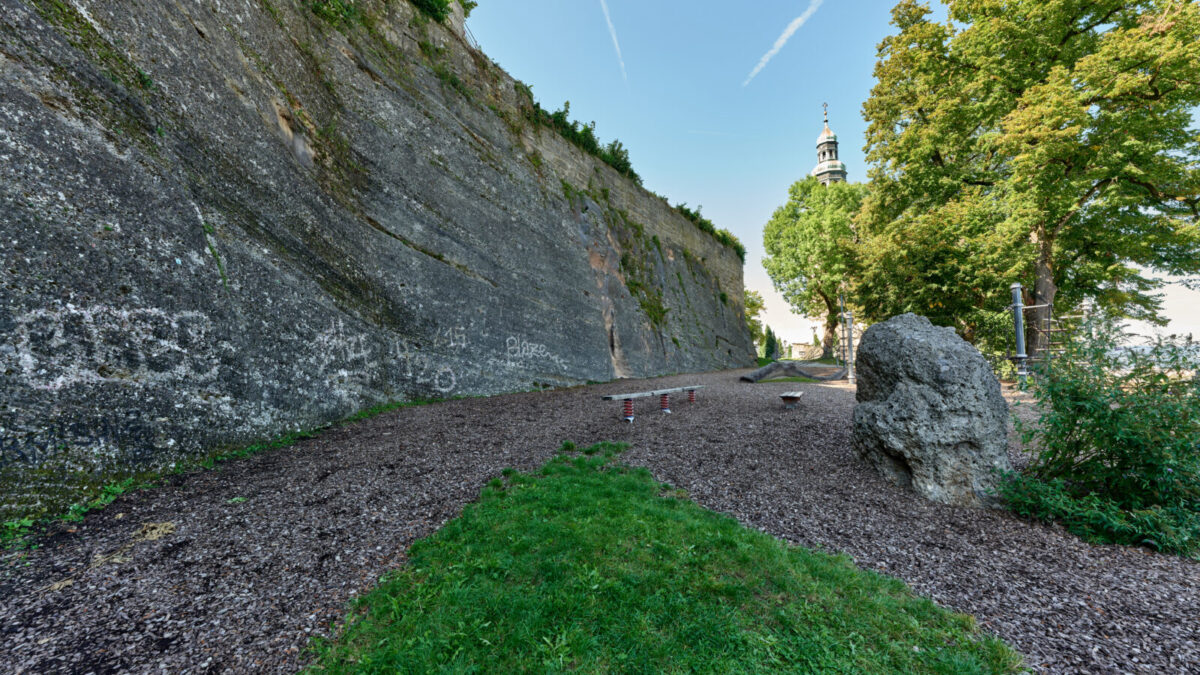
The Mönchsberg consists primarily of Mönchsberg conglomerate (locally known as *Nagelfluh*)—a fluvial sedimentary rock formed during the Ice Ages. The mountain owes its steep, vertical rock faces not only to nature but also to human intervention: over the centuries, the rocky slopes were artificially cut back to make it impossible for enemy attackers to scale them.
- Safety Provided by “Mountain Cleaners”: The brittle structure of the *Nagelfluh* has historically led to repeated rockfalls; the worst disaster occurred in 1669 in Gstättengasse, claiming more than 220 lives. Since then, the Salzburg “mountain cleaners” (one of the city’s oldest specialized crews) have regularly secured the steep rock faces against loose rock.
History and Fortifications
During the Thirty Years’ War, Prince-Archbishop Paris Lodron expanded the Mönchsberg into a massive city fortification. Traces of this defensive architecture remain visible witnesses to Salzburg’s urban history:
- Bürgerwehr & Richterhöhe: Significant bastions and earthworks on the mountain plateau, designed to defend the city in times of crisis.
- Sigmundstor (Neutor): A masterpiece of 18th-century tunneling. Driven through the rock between 1764 and 1766 under Prince-Archbishop Sigismund Count Schrattenbach, it is considered Austria’s oldest road tunnel and connects the Old Town with the Riedenburg district.
Sights and Palaces on the Plateau
Historic buildings and modern cultural institutions are distributed across the entire mountain ridge:
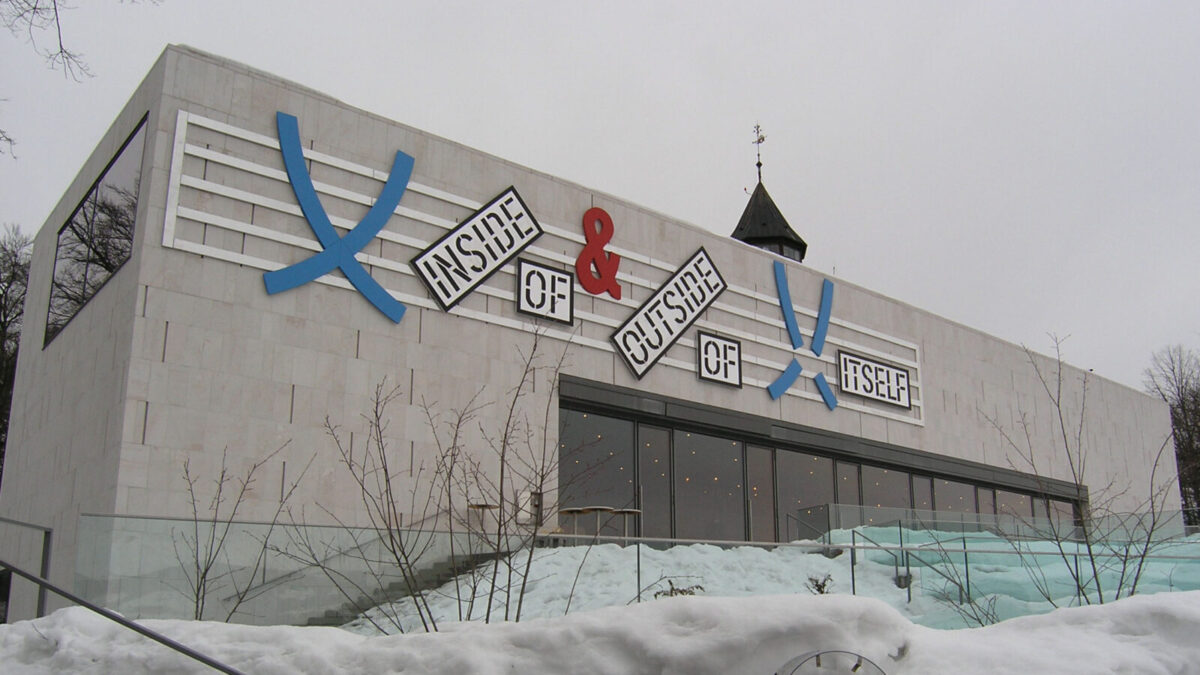
- Museum der Moderne Salzburg (Mönchsberg): Opened in 2004, this building with its clean, linear design towers prominently above the rooftops of the Old Town, showcasing international art from the 20th and 21st centuries. The rhythmic slits in the marble façade reference arias from Mozart’s Don Giovanni.
- Schloss Mönchstein: A historic estate (which once served as a refuge for abbots) that now operates as a five-star superior hotel.
- Historic Small Palaces: In addition to Schloss Mönchstein, the Johannesschlössl, Marketenderschlössl, Kupelwieser-Schlössl, and Edmundsburg shape the character of the plateau.
Routes up the Mountain and Local Recreation
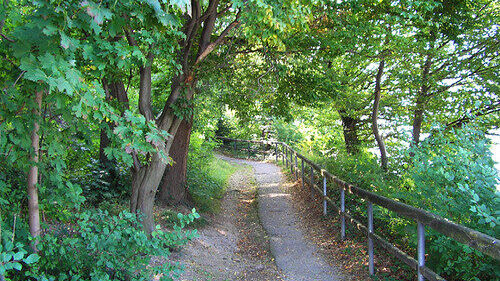
For locals and visitors alike, the Mönchsberg is a green oasis of tranquility situated directly above the bustling Old Town.
- Mönchsberg Lift: Those wishing to shorten the ascent can take the lift from Anton-Neumayr-Platz (Gstättengasse); traveling through the interior of the mountain, it takes just 30 seconds to reach the Museum der Moderne and the viewing terrace.
- Walking Paths & Ascents: Various walking paths lead up to the plateau—including routes from Mülln in the north, via the Clemens-Holzmeister-Stiege (staircase) in the Toscaninihof, or from Nonntal via the Bürgermeisterloch.
- Viewpoints: Locations such as the Humboldt-Terrasse, Richterhöhe, and the plateau in front of the m32 restaurant offer incomparable panoramic views of the UNESCO World Heritage site of Salzburg’s Old Town, the Cathedral, Hohensalzburg Fortress, and the surrounding Alpine scenery (including the Untersberg).
none
none
none
free




As a local recreation area and a car-free plateau, the Mönchsberg in Salzburg is not directly accessible by car. To easily reach the mountain and its attractions (such as the Museum der Moderne or the viewing terraces), the following travel options are recommended:
By car
- Parking: Since the Old Town surrounding the Mönchsberg is a pedestrian zone, it is best to head for the large underground parking garages in the immediate vicinity.
- Best parking options: The Altstadt-Garagen (Garages A and B, located inside the Mönchsberg itself) are ideally situated. The garage exit leads directly to the Gstättengasse area or close to the valley station of the Mönchsberg lift.
- Navigation: It is best to enter “Gstättengasse” or the entrance to the Altstadt-Garage directly into your navigation system.
By public transport
- By bus: The Salzburg Linien public bus network will quickly take you close to the access points and the valley station of the Mönchsberg lift.
- Herbert-von-Karajan-Platz or Ferdinand-Hanusch-Platz: These stops (served by lines 1, 4, 8, 10, and 22, among others) are just a short walk from the access points (such as Toscaninihof or Gstättengasse).
- Riedenburg / Neutor: Stops located to the west of the hill are also excellent choices if you wish to take the route through the historic Sigmundstor (Neutor).
- On foot: You can reach the Old Town and the foot of the Mönchsberg (e.g., via Müllner Hauptstraße or the Salzach bridges) from Salzburg Central Station in about 20 to 25 minutes on foot.

