


Project Description
SPICY’S SPICE MUSEUM


Key Facts at a Glance
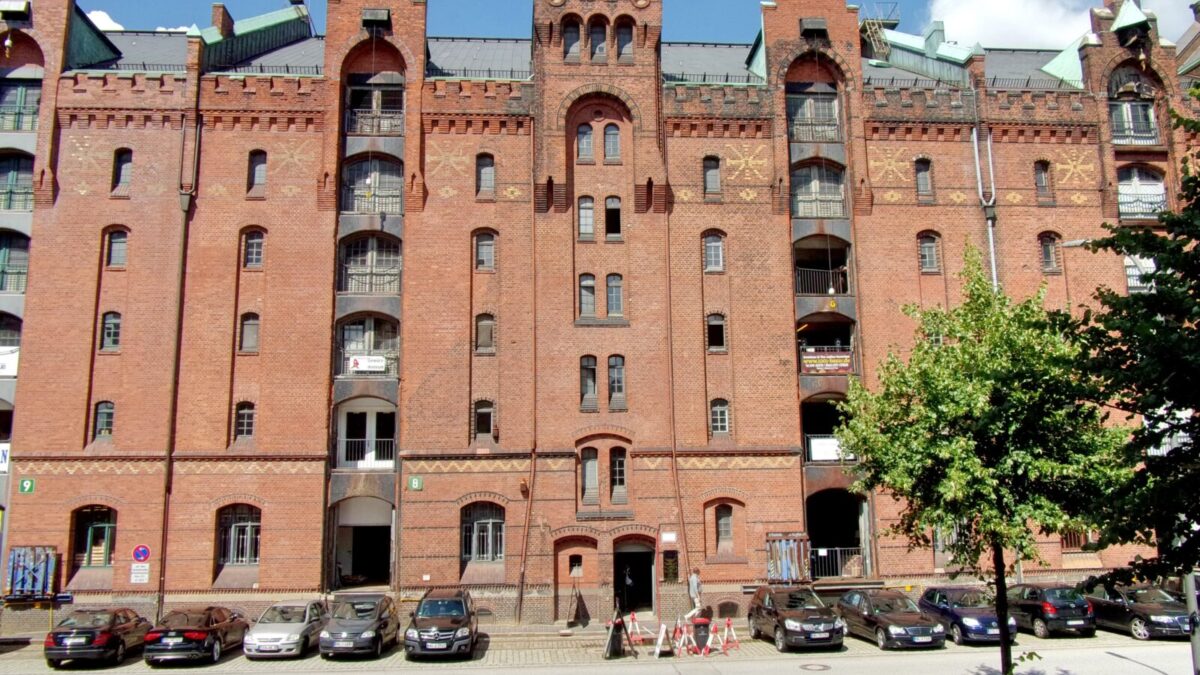
Spicy’s Spice Museum in Hamburg is a one-of-a-kind immersive experience that takes visitors on a fascinating journey through the history, trade, and diversity of spices. Housed in a historic warehouse in the Speicherstadt district—dating back to 1888—the museum showcases over 900 exhibits from around the globe across approximately 350 square meters.
The World of Spices in Hamburg’s Speicherstadt
Located in the heart of Hamburg’s Speicherstadt—a historic hub for the trade of carpets, coffee, and, of course, spices—this privately run museum transports guests into the aromatic world of the global spice trade. As soon as you step into the heritage-listed brick building, the air is filled with the scents of cinnamon, vanilla, cardamom, and cloves.
From Plant to Finished Product: The Exhibition
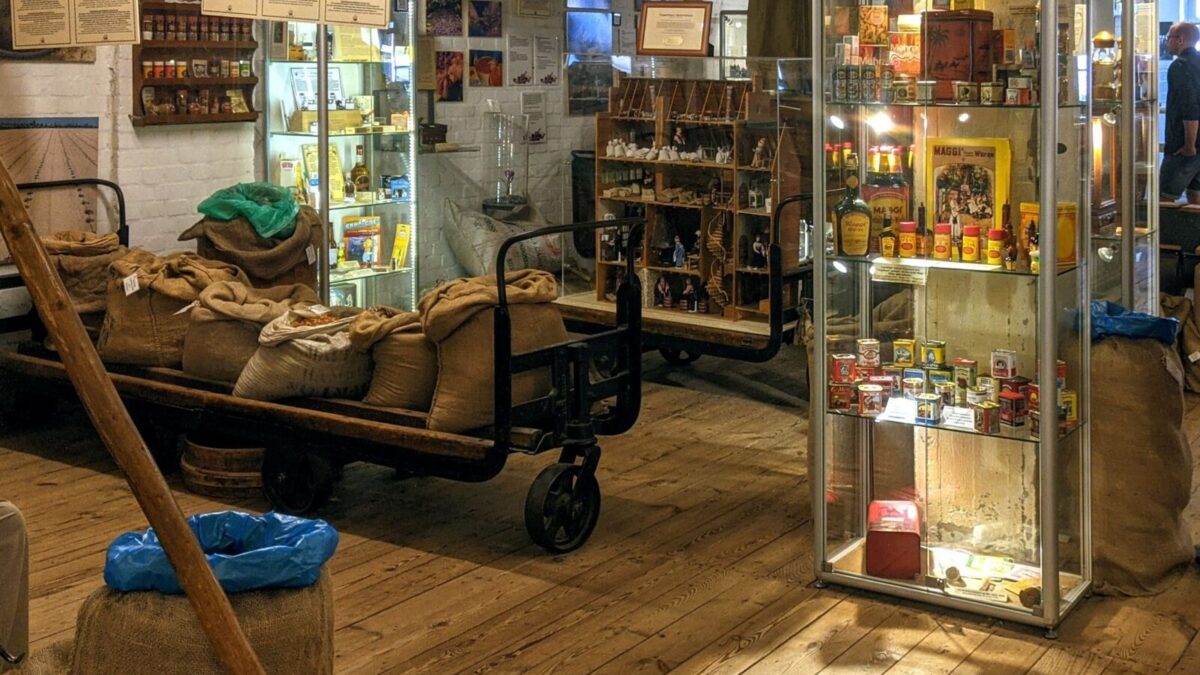
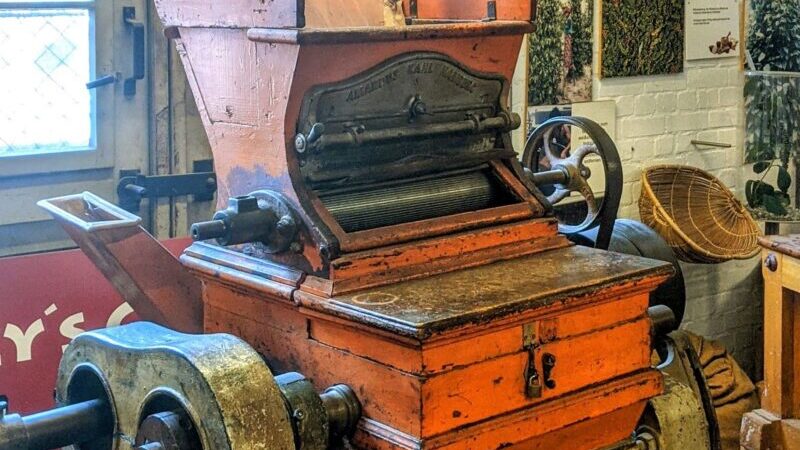
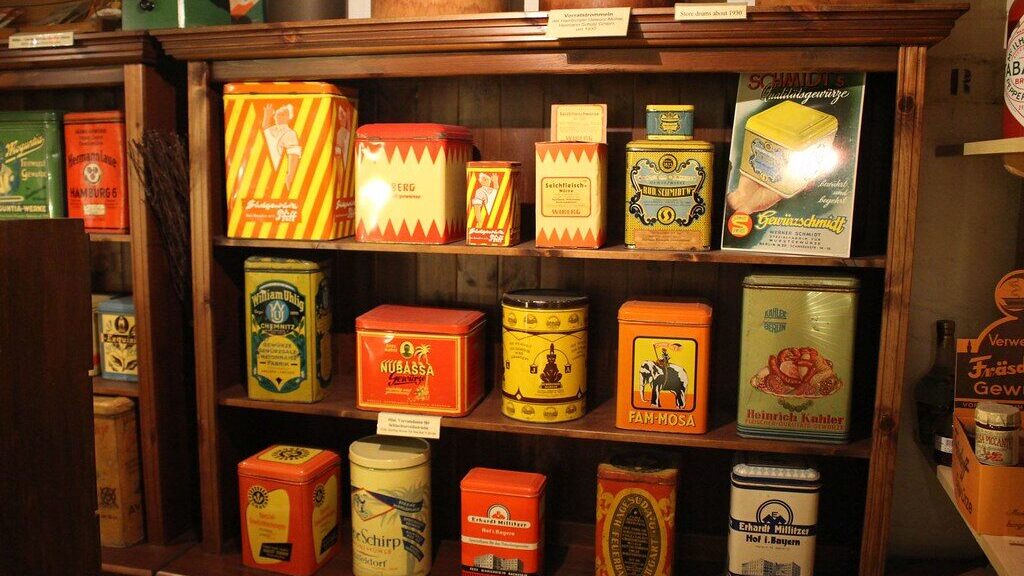
The exhibition covers the entire journey—from botany and traditional or modern cultivation methods to the harvesting and processing of spices in their countries of origin across Asia, Africa, and the Americas. Through historical tools, scales, sacks, sieves, and vintage shipping crates, visitors gain a tangible sense of just how arduous the trade in these precious natural products once was.
Special attention is given to the logistics and maritime routes by which spices were once transported to Europe and the port of Hamburg. Visitors discover compelling details about historical shipping and Hamburg’s role as a major European hub for colonial goods.
Engaging the Senses: Touch and Taste
Unlike traditional museums, Spicy’s Spice Museum is designed as an interactive, hands-on experience:
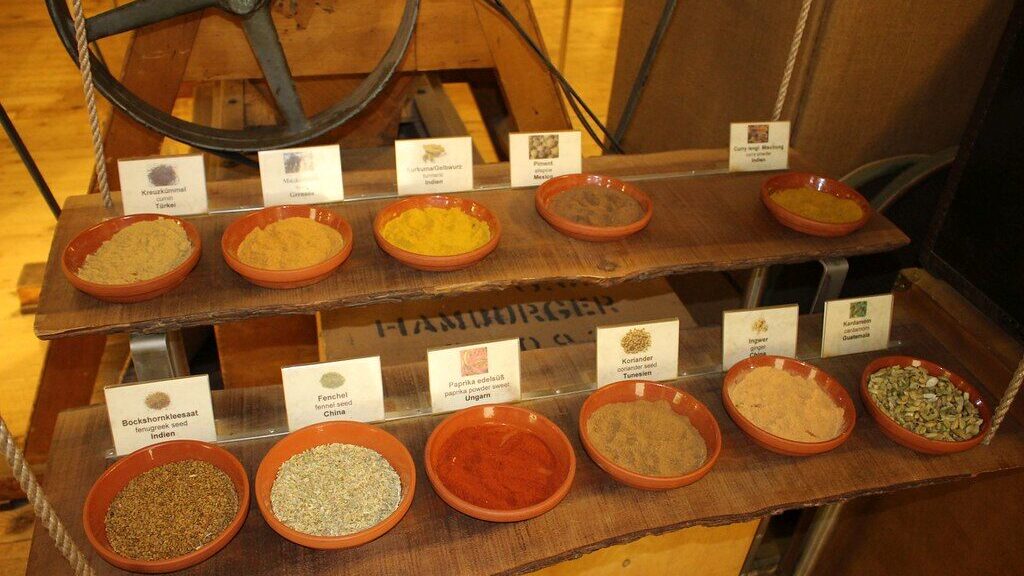
- Scent Stations: At dedicated stations, you can smell dozens of raw spices and discover the subtle nuances of nutmeg, star anise, or turmeric.
- Authentic Raw Ingredients: From raw vanilla beans to whole nutmegs still in their velvety husks, you can get an up-close look at the origins of many different spices.
- Expert Insights: Informative displays and multimedia elements explain the health benefits of various spices, their historical significance as medicinal remedies, and even their past use as a form of currency (such as pepper, which was once worth its weight in gold).
- A Highlight for Culinary Enthusiasts and Visitors to Hamburg
At the end of your visit, a well-stocked museum shop offers the chance to purchase exotic spice blends, specialty peppers, and cookbooks. By combining the history of Hanseatic trade with a sensory journey of discovery, Spicy’s Spice Museum is an absolute must-see for anyone who loves to cook—or for those who wish to experience the historical roots of Hamburg’s Speicherstadt (Warehouse District) firsthand.
+49 40 367989
| Monday | Tuesday | Wednesday | Thursday | Friday | Saturday | Sunday |
|---|---|---|---|---|---|---|
| 10 am – 5 pm | 10 am – 5 pm | 10 am – 5 pm | 10 am – 5 pm | 10 am – 5 pm | 10 am – 5 pm | 10 am – 5 pm |
- Adults (16 years and older): €7.00 (includes a small bag of pepper, which serves as your admission ticket)
- Children (4 to 15 years): €4.00 (includes a small bag of gummy bears)
- Children up to 3 years: Free
- Reduced rate (school pupils, students, pensioners, apprentices, persons with severe disabilities): €6.00
- Groups (10 or more people): €6.00 per person
- Family ticket (2 adults and 2 children): €15.00




Spicy’s Spice Museum is located in the historic Speicherstadt district (address: Am Sandtorkai 34) and is easily accessible by both car and public transport:
By public transport:
- Underground (U-Bahn): The nearest underground station is Meßberg (line U3). From there, it is just a short walk through the Speicherstadt, crossing the Wandrahmsfleet, to reach the museum. Alternatively, the major transport hubs of Jungfernstieg or Baumwall (also on the U3 line) are also convenient options.
- Bus: Bus line 6 stops at Am Sandtorkai (or in the immediate vicinity). Bus line 111 also serves the Baumwall (Elbphilharmonie) stop, from which the museum is just a few minutes’ walk away.
By car:
- Route: From Willy-Brandt-Straße / Ludwig-Erhard-Straße, turn toward the Speicherstadt district (following signs for Kaiserkai / Sandtorkai).
- Parking: As there is very limited street-side parking directly at the museum, we recommend using nearby parking garages. Convenient options include the parking garage at the Elbphilharmonie or others located throughout the surrounding HafenCity districts.

