


Project Description
FELSENREITSCHULE


At a Glance
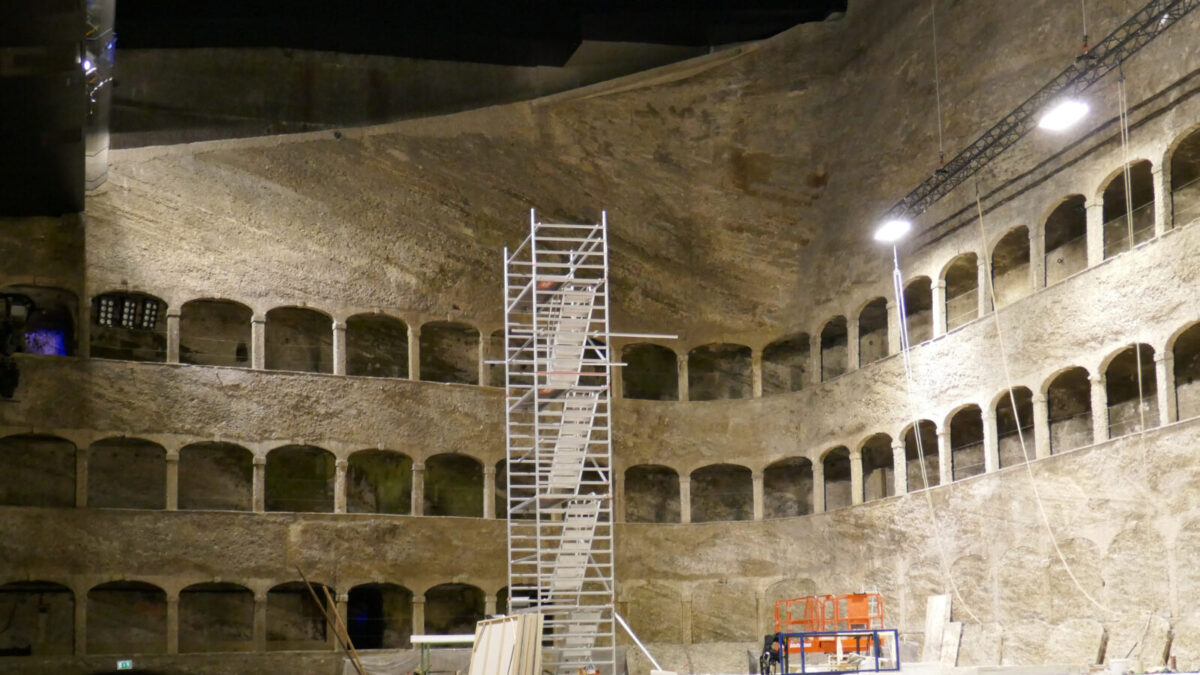
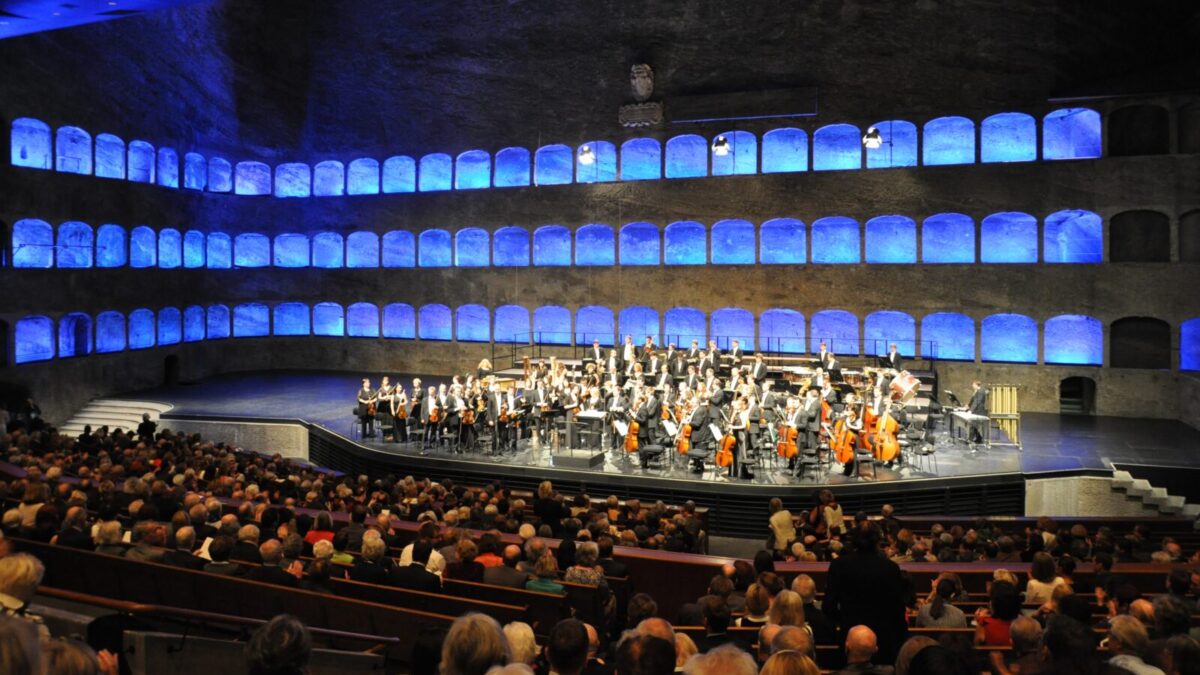
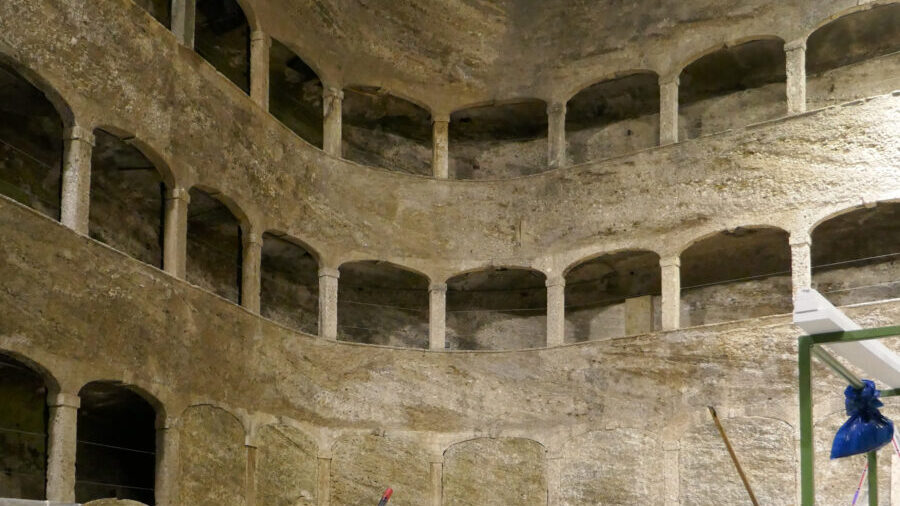
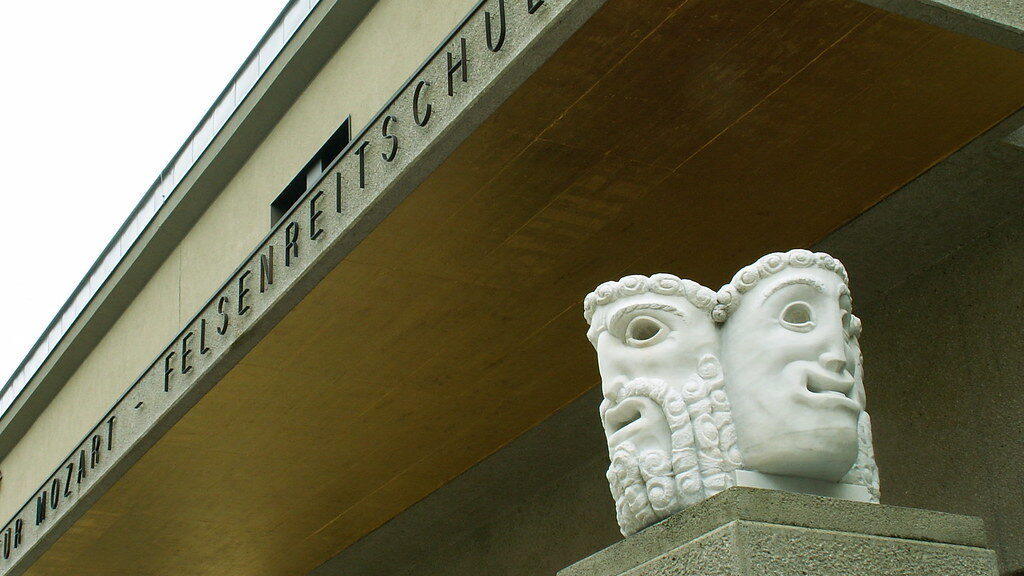
The Felsenreitschule in Salzburg is one of the world’s most fascinating and historically significant performing arts venues. Originally established in the 17th century as a quarry for the construction of Salzburg Cathedral and later used as a riding school, it was transformed into a unique open-air theater in 1926 by directing pioneer Max Reinhardt. A defining feature of this monumental space—carved directly into the Mönchsberg mountain—is its three tiers of natural stone arcades. Today, the Felsenreitschule serves as a major venue for the renowned Salzburg Festival, blending historic architecture with state-of-the-art stage and roofing technology.
Origins and Architecture: From Quarry to Theater
The history of the Felsenreitschule began in the first half of the 17th century. At that time, massive conglomerate stone was quarried at the foot of Salzburg’s Mönchsberg mountain; this material was required for projects such as the construction of Salzburg Cathedral.
Following the completion of quarrying operations, Johann Bernhard Fischer von Erlach redesigned the site in 1693, converting it into a summer riding school and a venue for the archbishop’s cavalry. The venue’s architectural hallmark dates back to this era: 96 stacked arcade arches arranged in three tiers that blend seamlessly into the rock face of the Mönchsberg.
The Arrival of Culture and the Max Reinhardt Era
For a long time, the site was used for courtly tournaments, animal-baiting spectacles, and equestrian displays. Its purpose underwent a fundamental shift only after World War I. In the 1920s, at the initiative of Max Reinhardt—a co-founder of the theater and the festival—the former riding school was opened up to the arts.
In 1926, the Salzburg Festival made its debut in this striking open-air venue. From then on, the natural rock backdrop offered directors and set designers unparalleled creative possibilities. The “Faust City” (*Faust-Stadt*), constructed by Clemens Holzmeister in 1933, became famous for the way it architecturally incorporated the rock-face backdrop. Under the legendary conductor Herbert von Karajan, the Felsenreitschule also made its debut as an opera venue in 1948 (with Gluck’s Orfeo ed Euridice).
Modern Renovations and Technical Innovations
To meet the growing technical demands and weather-related challenges of modern musical and spoken theater, the Felsenreitschule has undergone several major modernizations:
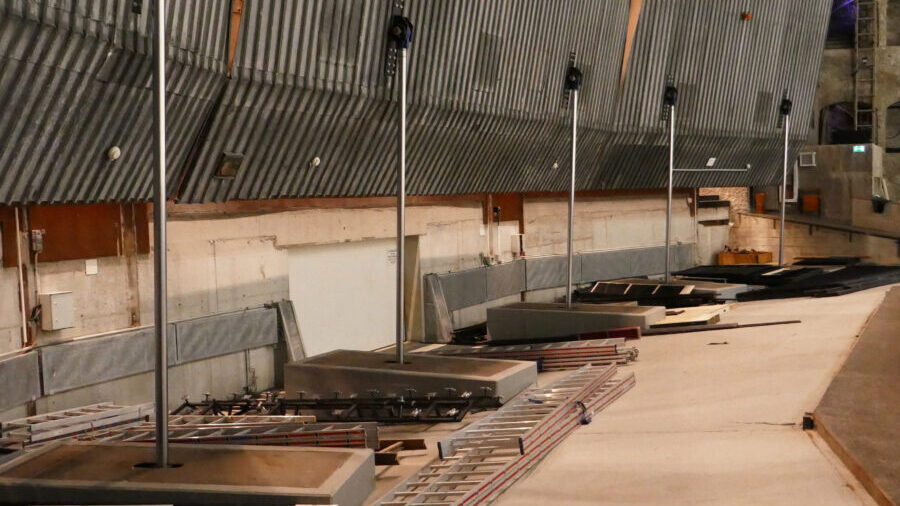
- Retractable Roof: To make performances independent of the weather, the venue was equipped with a light-proof, retractable rain canopy—featuring integrated sound insulation and a rain-collection net—that can be opened or closed as needed.
- Comprehensive Renovation (2010–2011): The building was extensively refurbished based on designs by the architectural firm HALLE 1. The project included a self-supporting spectator stand (seating approximately 1,400 to 1,500 people), a lowered understage area, and state-of-the-art lighting and acoustic systems.
- Acoustic Enhancements: In addition to the impressive natural acoustics provided by the rock face, a highly advanced electronic room acoustics system is now available to ensure optimal sound distribution throughout the space when required.
The Felsenreitschule Today
Today, alongside the Großes Festspielhaus and the Haus für Mozart, the Felsenreitschule is an indispensable fixture of the Festival District. It plays a pivotal role in shaping the character of both the Salzburg Festival and the Salzburg Easter Festival. Thanks to the symbiosis of raw, ancient rock, historic Renaissance arcades, and state-of-the-art stage technology, it remains one of the most spectacular settings in the international world of theater and opera.
+43 662 8045 0
The Felsenreitschule is not a traditional museum with regular daily opening hours for the public; rather, it is an active performance venue for the Salzburg Festival. Consequently, access is primarily determined by the performance schedule and the following options:
- Events & Performances: As a general rule, the venue is accessible only for ticketed opera, concert, or theater performances and official events.
- Guided Tours of the Festival Venues: Public guided tours are usually available for visitors wishing to view the building and its famous arcades.
- Current Restrictions: Due to construction work in the foyer area, guided tours are currently subject to restrictions (until further notice); the focus is primarily on the Großes Festspielhaus (Large Festival Hall), meaning that regular tours of the Felsenreitschule may not be possible at times.
Tip: If you plan to attend a performance or are looking for details regarding current tour schedules and ticket information, we recommend visiting the official Salzburg Festival website.
depending on the event




By car
- Parking: Since there is hardly any parking directly at the Felsenreitschule or in the narrow Old Town, it is best to head for the nearby parking garages.
- Best parking options: The Altstadt-Garagen (Garages A and B, located inside the Mönchsberg mountain) are ideally situated. They are just a few minutes’ walk from the Festival Halls. From there, you can easily reach the Old Town while staying dry.
- Navigation: It is best to enter “Hofstallgasse” or the name of the parking garage directly into your navigation system.
By public transport
- By bus: Salzburg has an excellent bus network (Salzburg Linien). The nearest stops for getting to the Felsenreitschule and the Festival District are:
- Herbert-von-Karajan-Platz (served by bus lines 1, 4, 8, 10, and 22, among others). From there, it is just a short walk along Hofstallgasse to the entrance.
- Rathaus or Ferdinand-Hanusch-Platz; from these stops, you can also reach your destination in a few minutes by walking through the picturesque Old Town.
- On foot from the main train station: If you arrive by train, you will reach Salzburg’s main station (Hauptbahnhof). From there, you can either take a walk of about 20–25 minutes through the New Town and across the Salzach River, or take a bus directly to Herbert-von-Karajan-Platz in just a few minutes.

