


Project Description
LEOPOLDSKRON PALACE


At a Glance
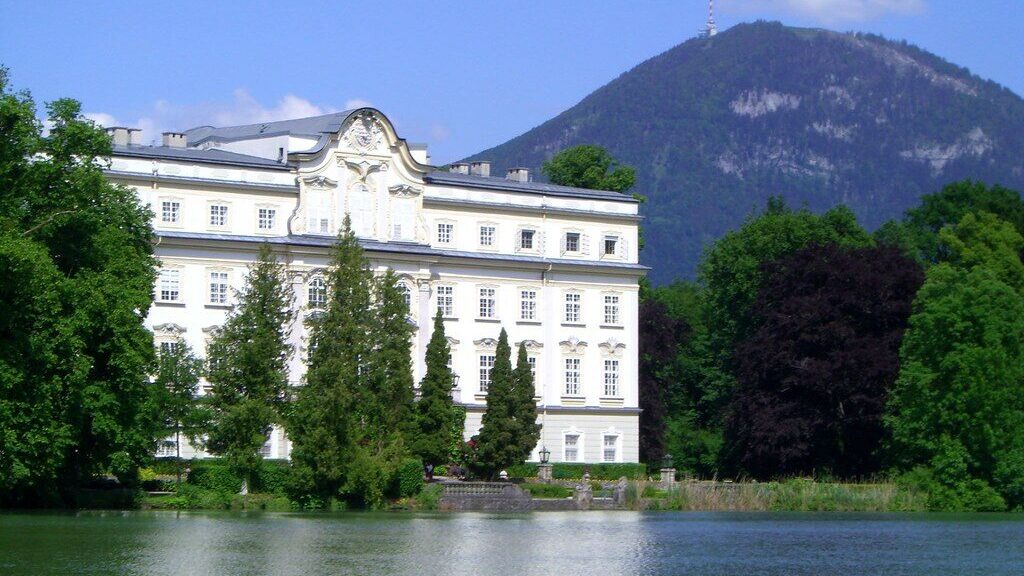
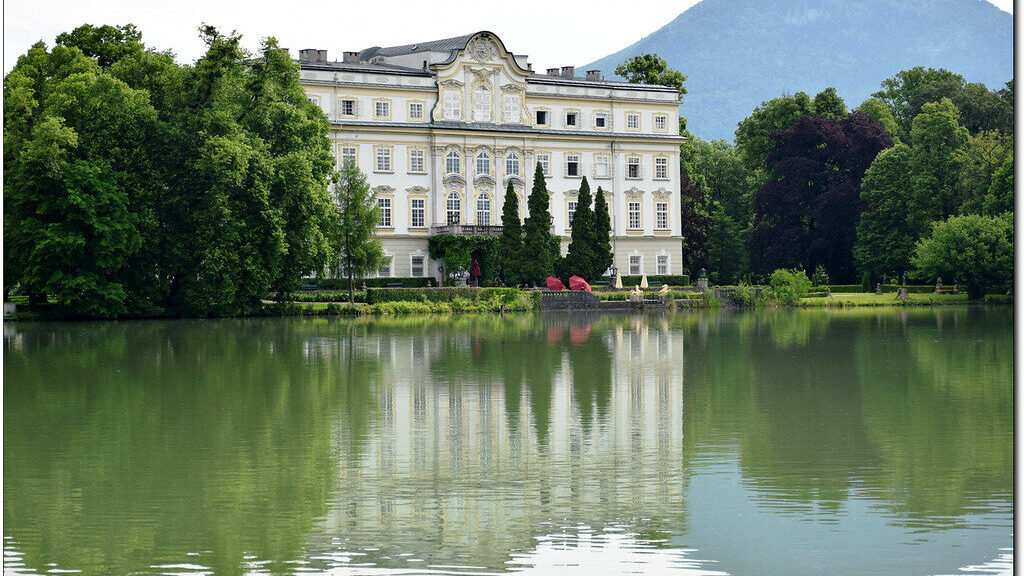
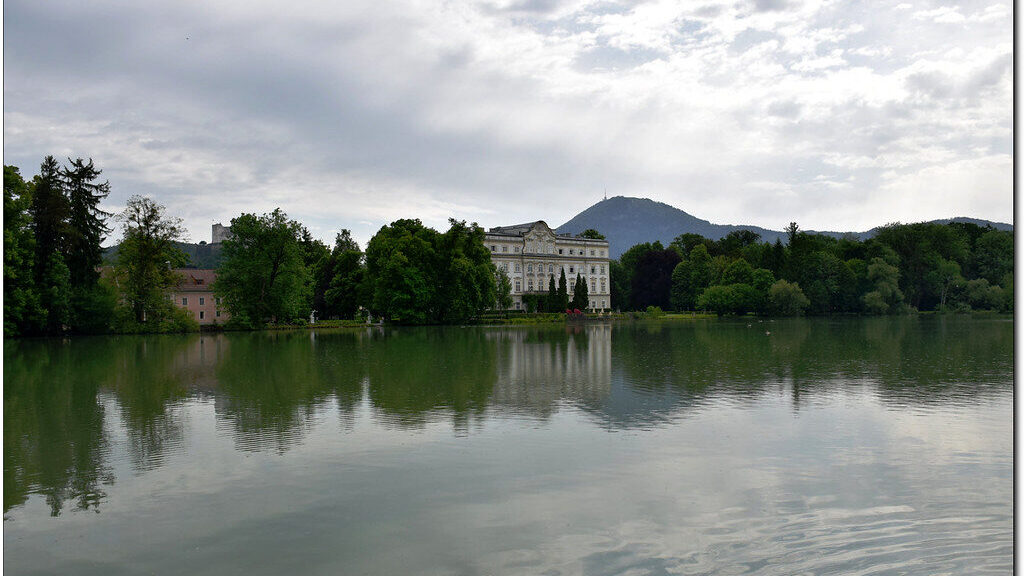
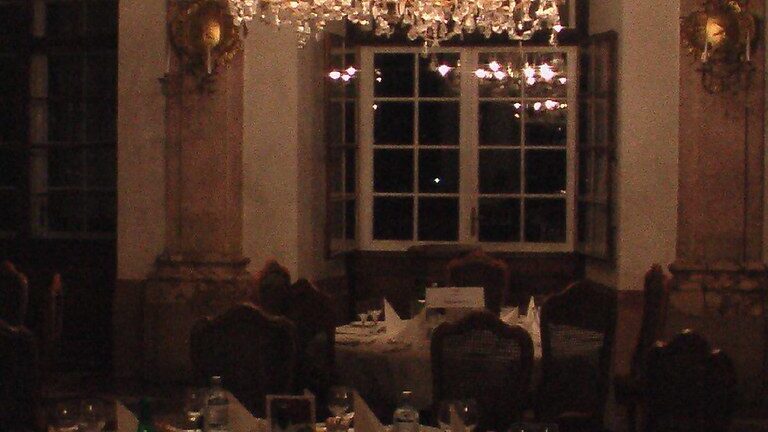
Schloss Leopoldskron is one of Austria’s most significant Rococo structures, boasting a rich history marked by princely power, an artistic heyday, and political upheaval. Built in the 18th century as a summer family residence for a Prince-Archbishop of Salzburg, the palace rose to prominence in the 20th century under theater director Max Reinhardt, becoming the birthplace of the Salzburg Festival and an international hub for the cultural scene. Today, the heritage-listed estate—situated right by the idyllic Leopoldskroner Weiher pond—is owned by the non-partisan *Salzburg Global Seminar* and serves as an exclusive hotel and event venue. The estate also gained worldwide fame as a prominent filming location for the classic movie *The Sound of Music*.
Origins and Rococo Architecture in the 18th Century
The estate’s history began in 1736. Leopold Anton Freiherr von Firmian, the Prince-Archbishop of Salzburg, commissioned the palace as a private family residence on the southern outskirts of Salzburg. Its architecture blends Late Baroque stylistic elements with opulent Rococo ornamentation.
Its location directly beside an artificial pond offered picturesque views of Hohensalzburg Fortress and the surrounding Alpine landscape. Following the Archbishop’s death in 1744, the palace remained in the Firmian family’s possession for nearly a century. Notably, at his own request, the Archbishop’s heart was interred in the palace’s private chapel.
Decline, Changes in Ownership, and Transformation in the 19th Century
After the Firmian family sold the estate in the 19th century, it underwent a period of frequent ownership changes and relative instability. For a time, the palace lost its former splendor, serving variously as a health spa, a hotel, and a restaurant. Prominent former owners included the abdicated King Ludwig I of Bavaria, who used the site as a summer residence for a time.
The Max Reinhardt Era and the Birthplace of the Salzburg Festival
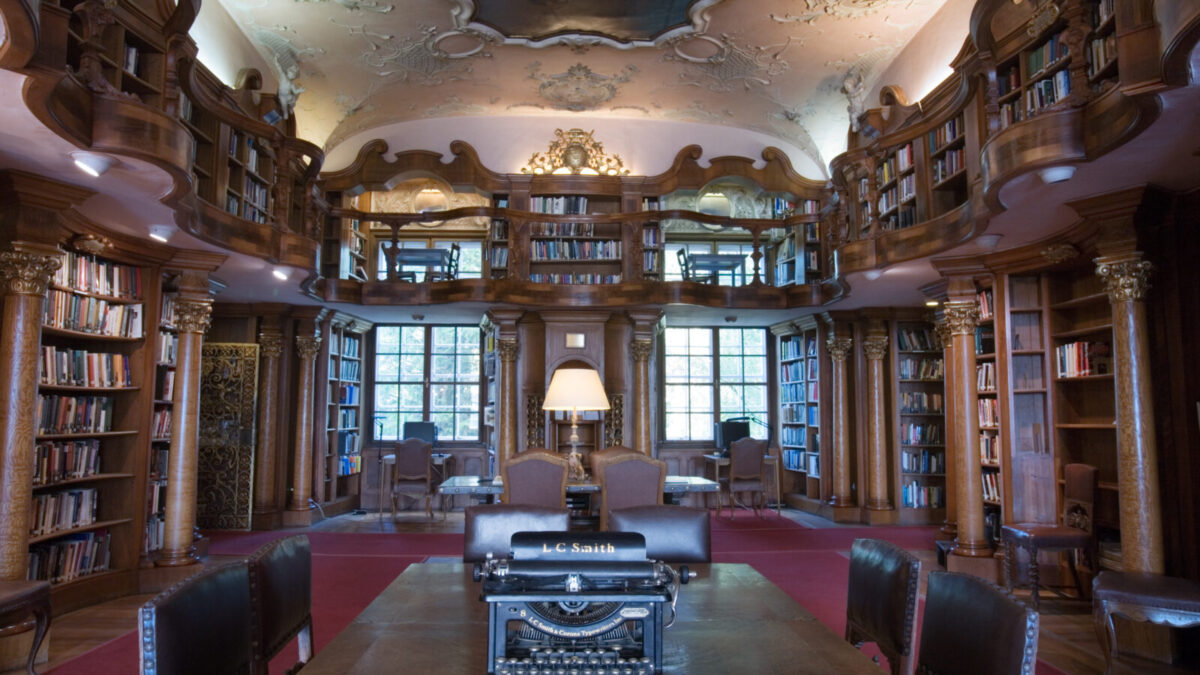
The year 1918 marked a profound turning point when Max Reinhardt—the famous director, theater manager, and co-founder of the Salzburg Festival—acquired the badly neglected estate. Over the course of several years, Reinhardt had the palace restored, expanded the interiors (including a magnificent two-story library modeled after the one at St. Gallen Abbey), and redesigned the park.
Under Reinhardt, Leopoldskron became a European cultural hotspot:
- Cradle of the Festival: Together with Hugo von Hofmannsthal and Richard Strauss, Reinhardt refined the concept for the Salzburg Festival—which debuted in 1920—at Leopoldskron Palace.
- The Palace as a Stage: Reinhardt regularly used the palace rooms and the park for theatrical performances in which the audience moved from room to room alongside the actors.
This golden age came to an abrupt end in 1938 with the invasion by the National Socialists. Because of his Jewish heritage, Max Reinhardt was stripped of his property and fled to the USA. The palace was confiscated by the Nazis and was only returned to Reinhardt’s heirs after World War II.
Global Meeting Place and Pop Culture
- Salzburg Global Seminar: In 1947, Harvard University graduates founded the Salzburg Seminar (now the Salzburg Global Seminar) at the palace. The international non-profit organization eventually purchased the palace from Reinhardt’s heirs in 1956. To this day, the palace serves as a platform for conferences, executive programs, and interdisciplinary dialogue on global issues shaping the future.
- “The Sound of Music”: In 1964, the estate and the adjacent Meierhof served as filming locations for the Hollywood classic The Sound of Music. The palace terrace and the pond provided the backdrop for the von Trapp family estate.
The Palace Today
Schloss Leopoldskron remains the property of the Salzburg Global Seminar. Since 2014, the complex—including the adjacent Meierhof—has operated as an award-winning hotel. While the historic state rooms and the park are primarily reserved for hotel guests and seminar participants, the premises can also be rented for private events, conferences, and weddings.
+43 662 83983-0
none
none




By Car
- From the direction of Vienna/Linz (A1) or Munich (A8/A10):
- Take the A1 or A10 motorway and exit at either Salzburg-Süd (towards Anif/Berchtesgaden) or Salzburg-West (towards the airport).
- Follow the signs for the city center (Zentrum/Altstadt) or Leopoldskron (via Moosstraße or Alpenstraße).
- Address for navigation systems: Leopoldskronstraße 56–58, 5020 Salzburg, Austria.
- Parking:
- Hotel and seminar guests: Private guest parking is available on the palace grounds and at the adjacent Meierhof.
- Day visitors: There is limited parking available on the street along Leopoldskroner Straße.
Alternatively, you can use the parking lot at the nearby Leopoldskron outdoor pool (approx. 5-minute walk).
By Public Transport
Direct bus connections to the palace are available from Salzburg Central Station or the Old Town:
- Bus Line 22 (Direct connection):
- Route: Runs directly from the Central Station via the city center (e.g., stops at Zentralschulhaus / Ferdinand-Hanusch-Platz near the Old Town) towards Josefiau.
- Destination stop: Salzburg Schloss Leopoldskron or Freibad Leopoldskron.
- Walking time: The entrance is just a few steps away from the Schloss Leopoldskron stop.
- Bus Line 21:
- Route: Runs from the Old Town / Hanusch-Platz towards Freibad Leopoldskron.
- Destination stop: Salzburg Freibad Leopoldskron.
- Walking time: From there, it is about a 5 to 7-minute walk along Leopoldskroner Straße / by the pond.

