

SALZBURG


Why is Salzburg worth a visit?
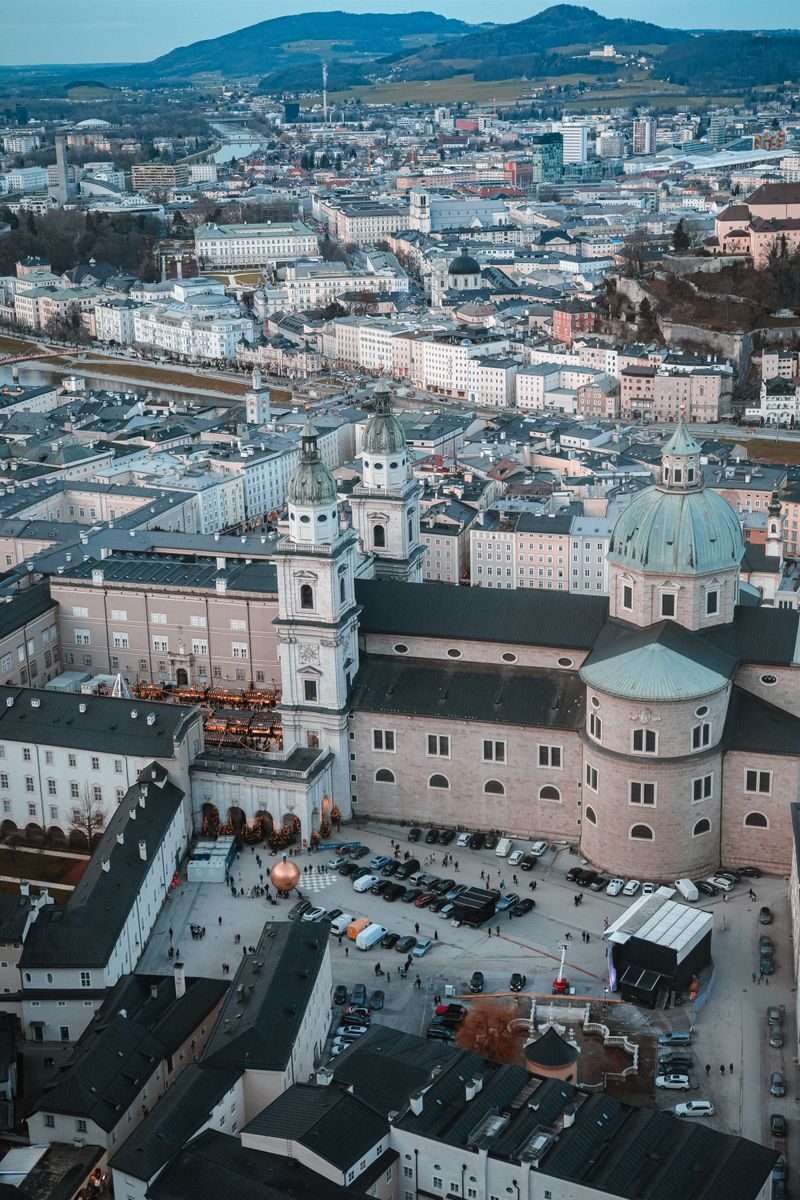
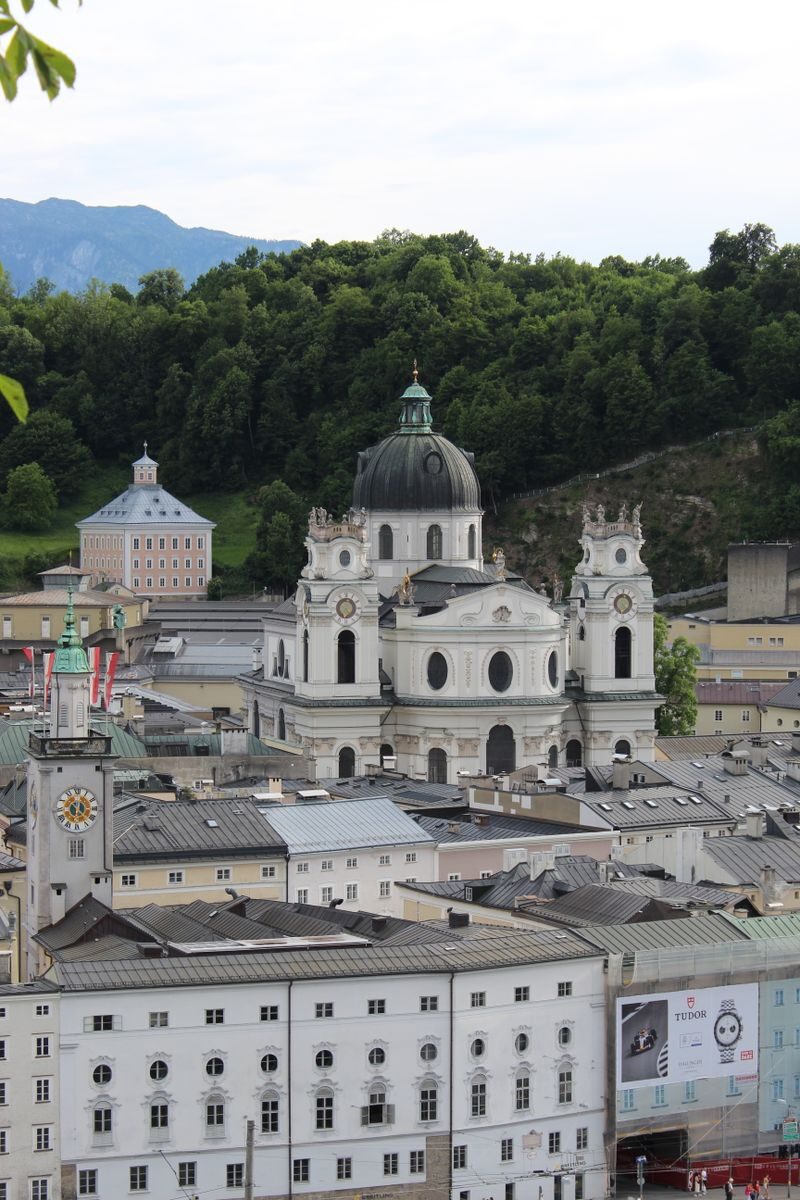
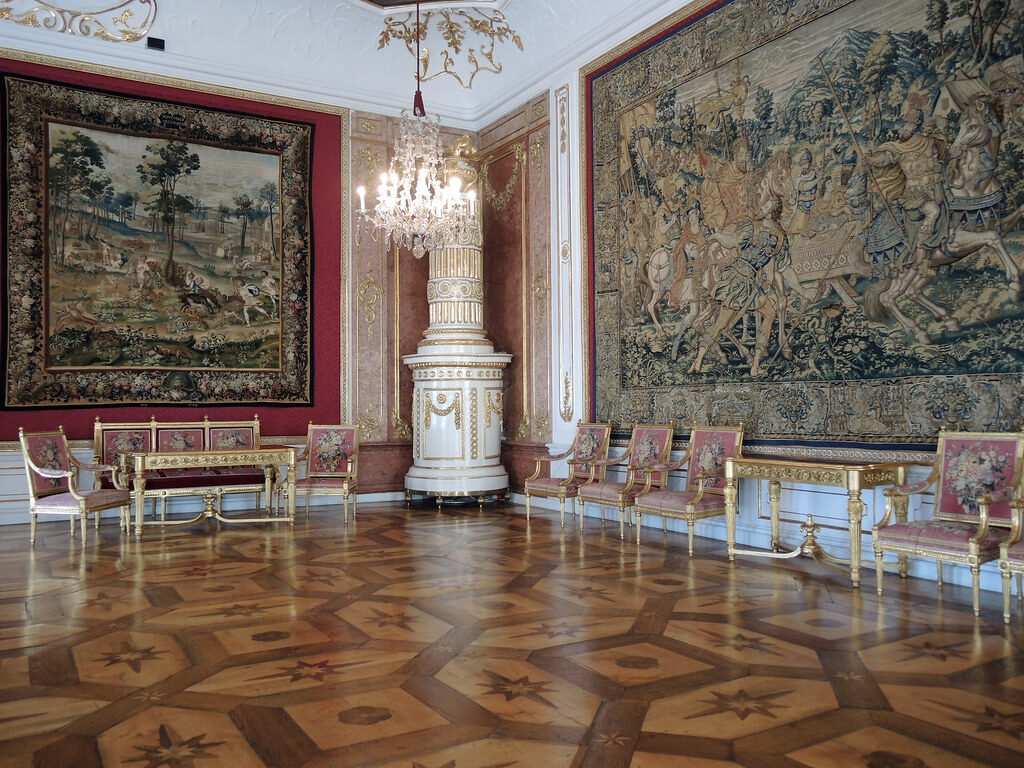
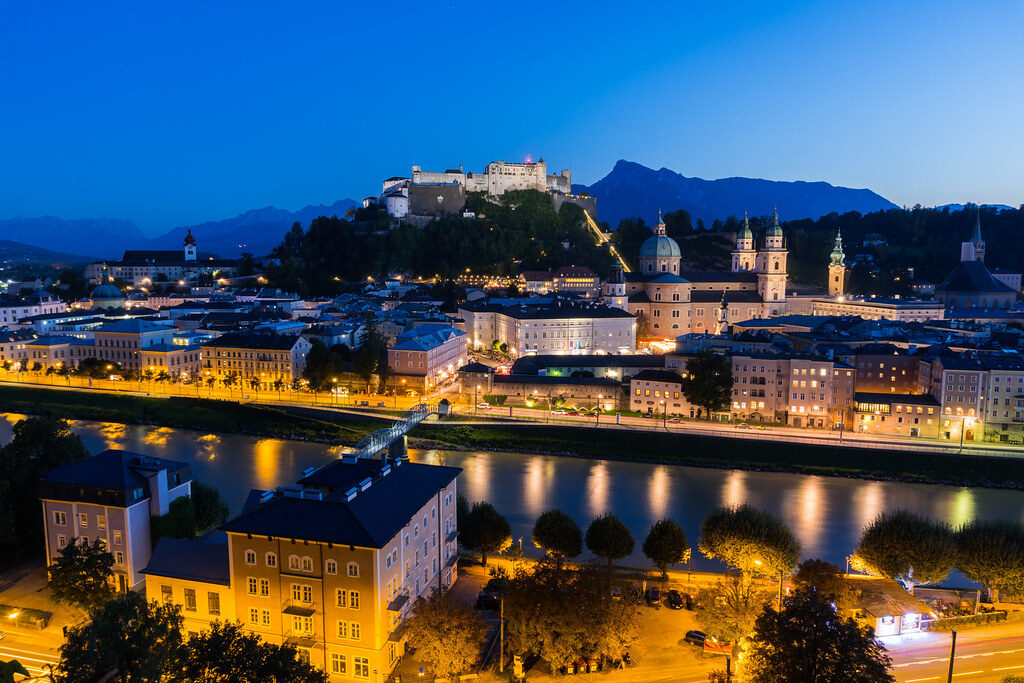
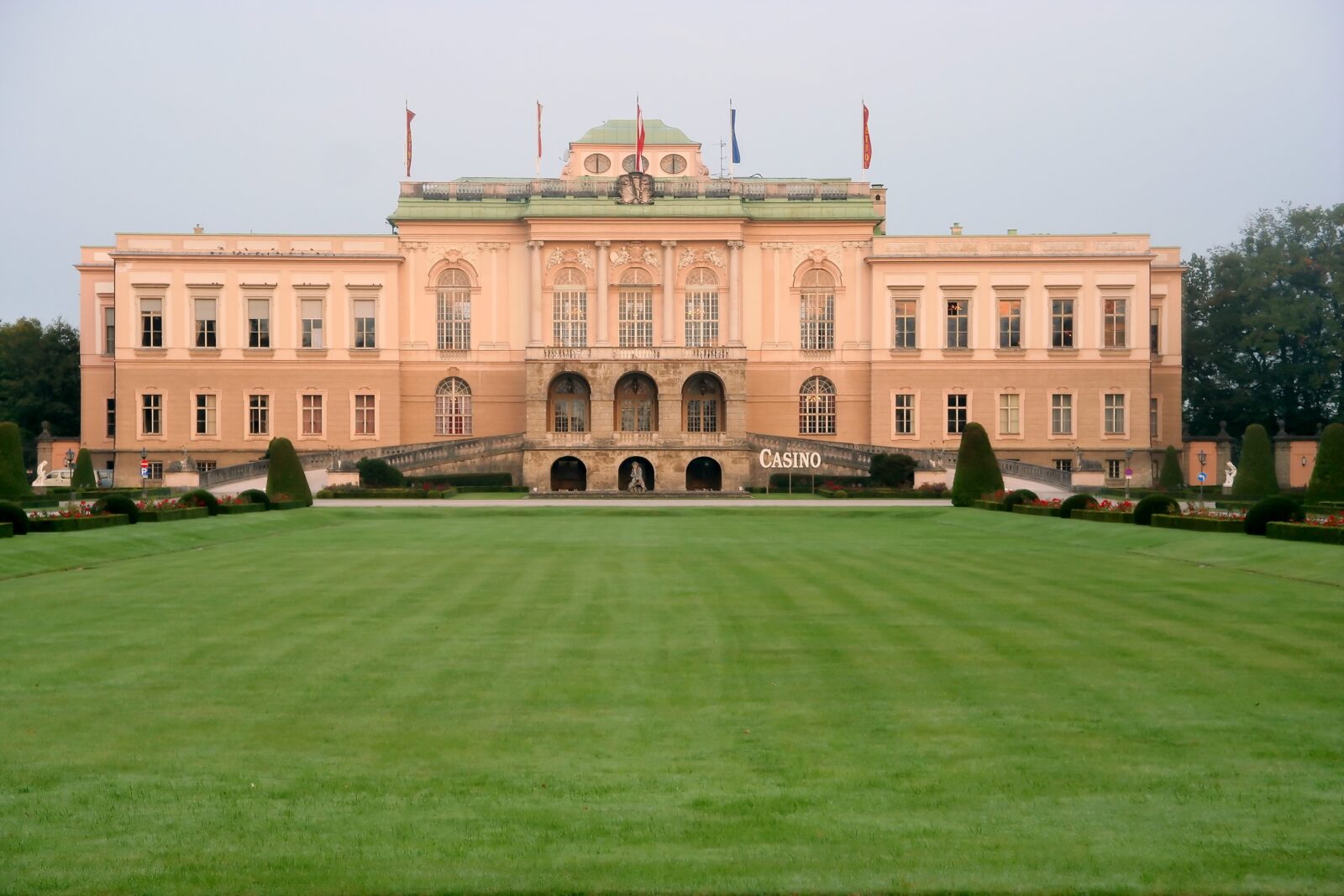
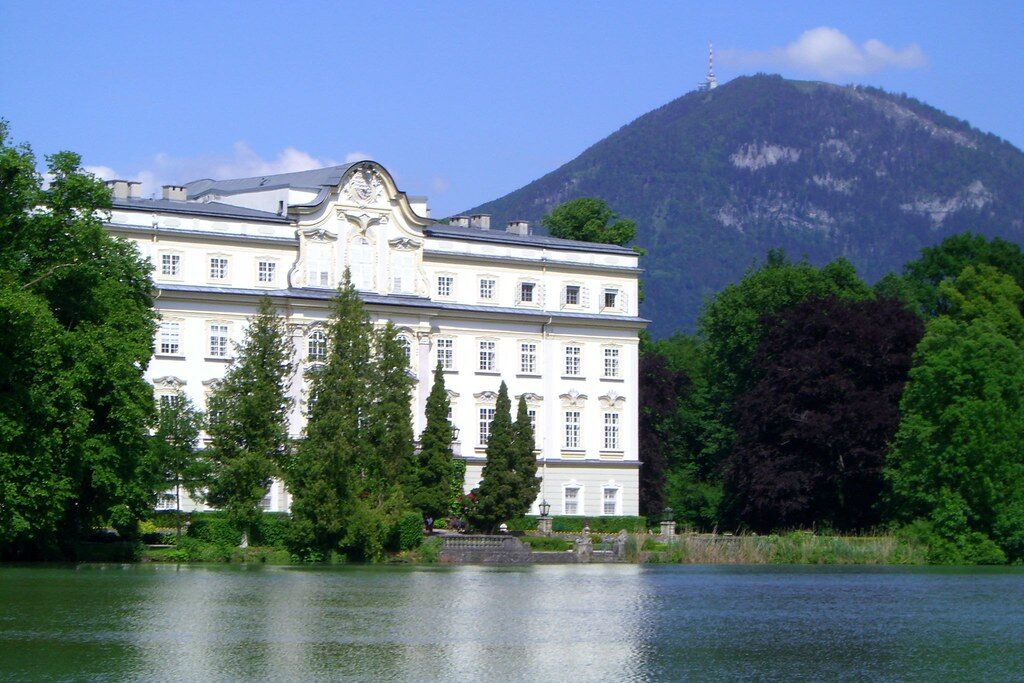
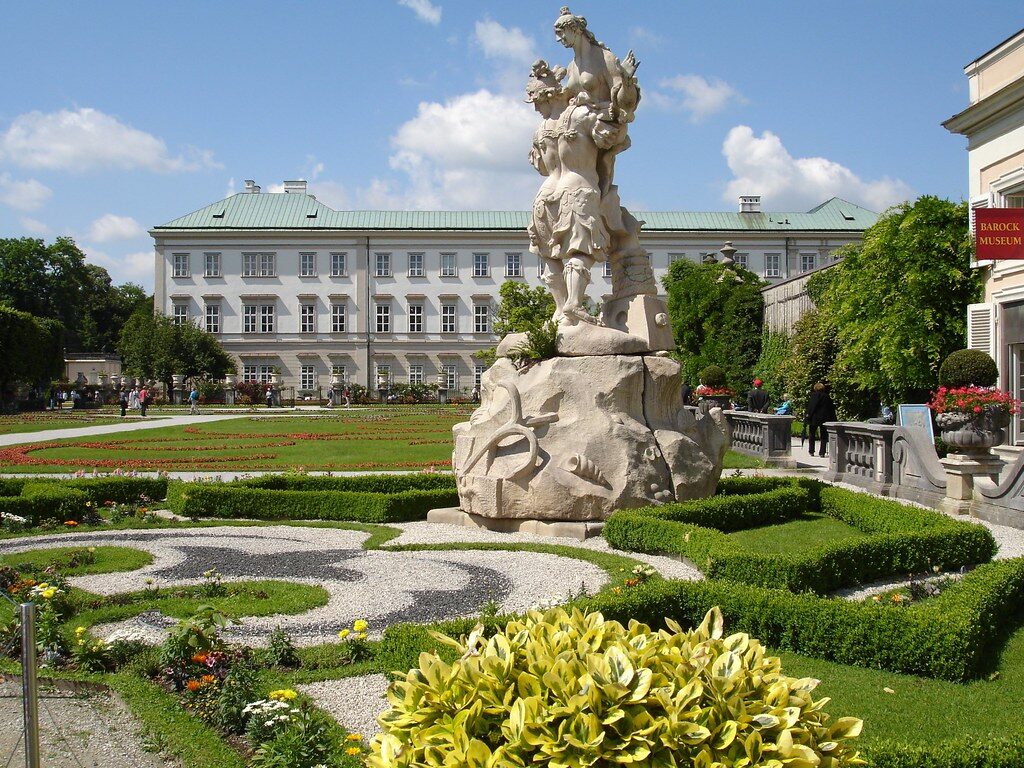
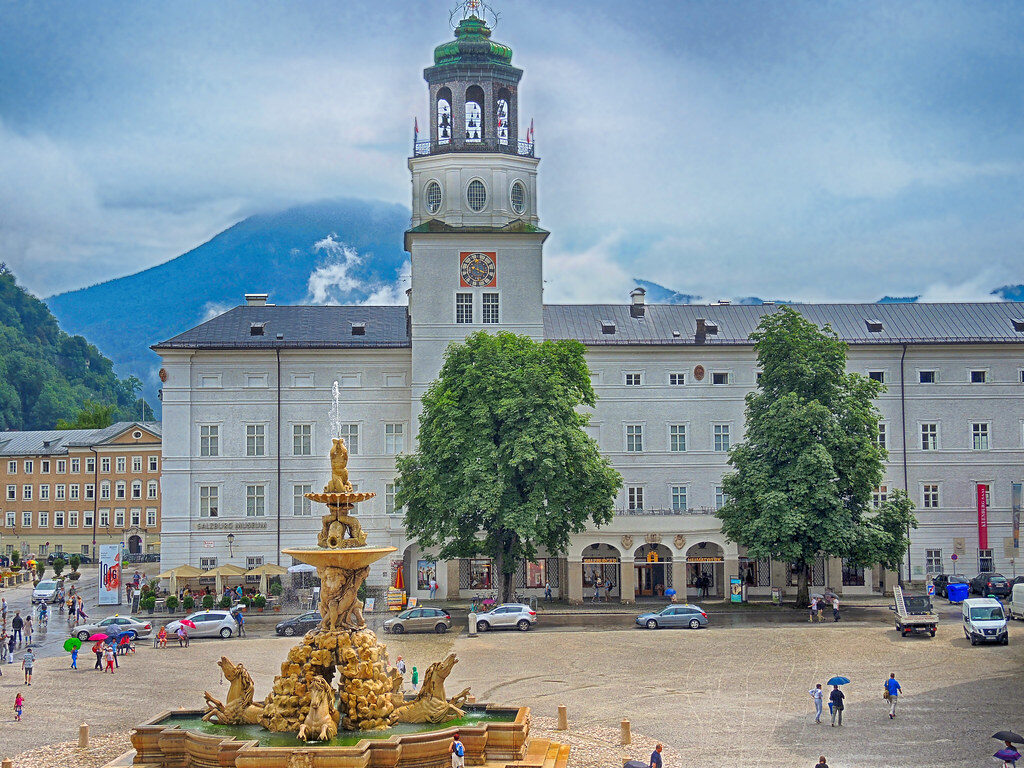
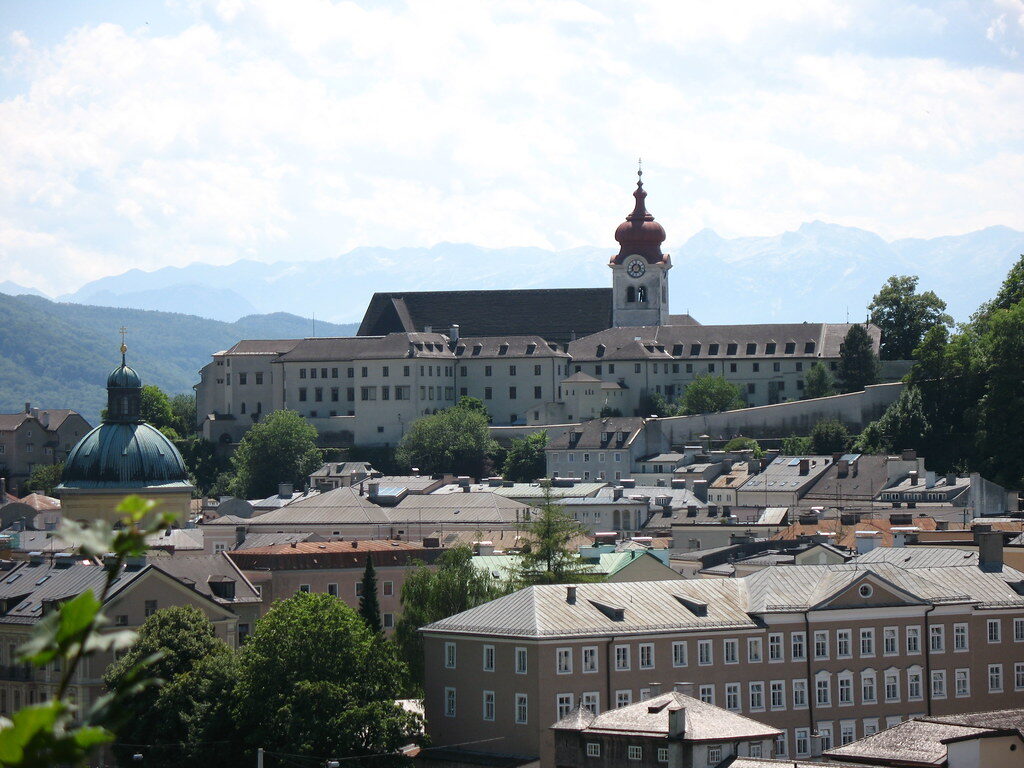
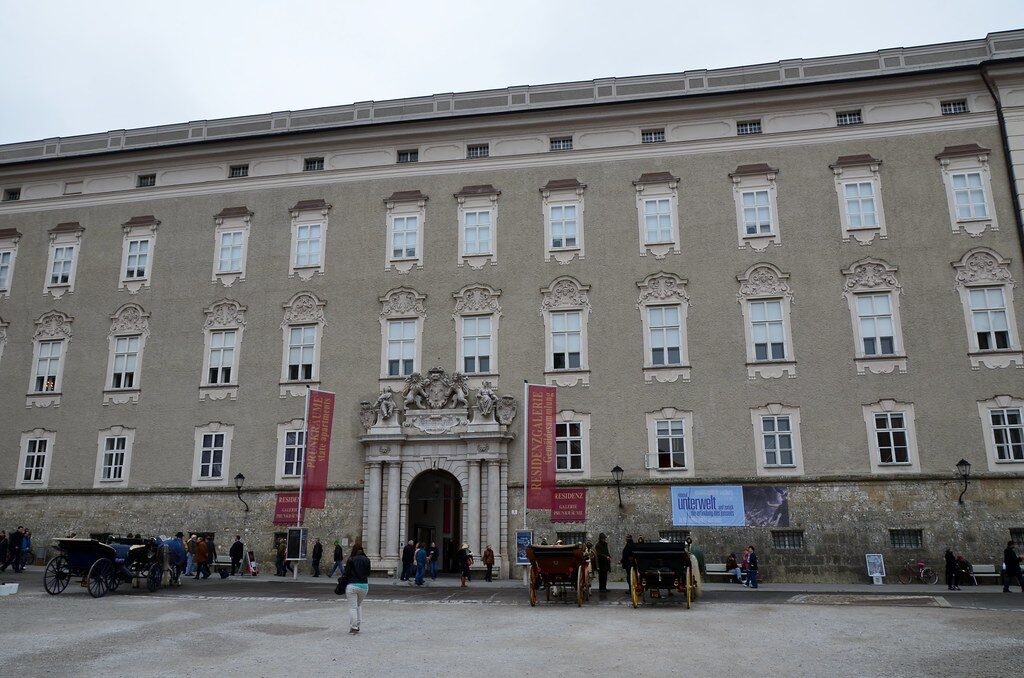
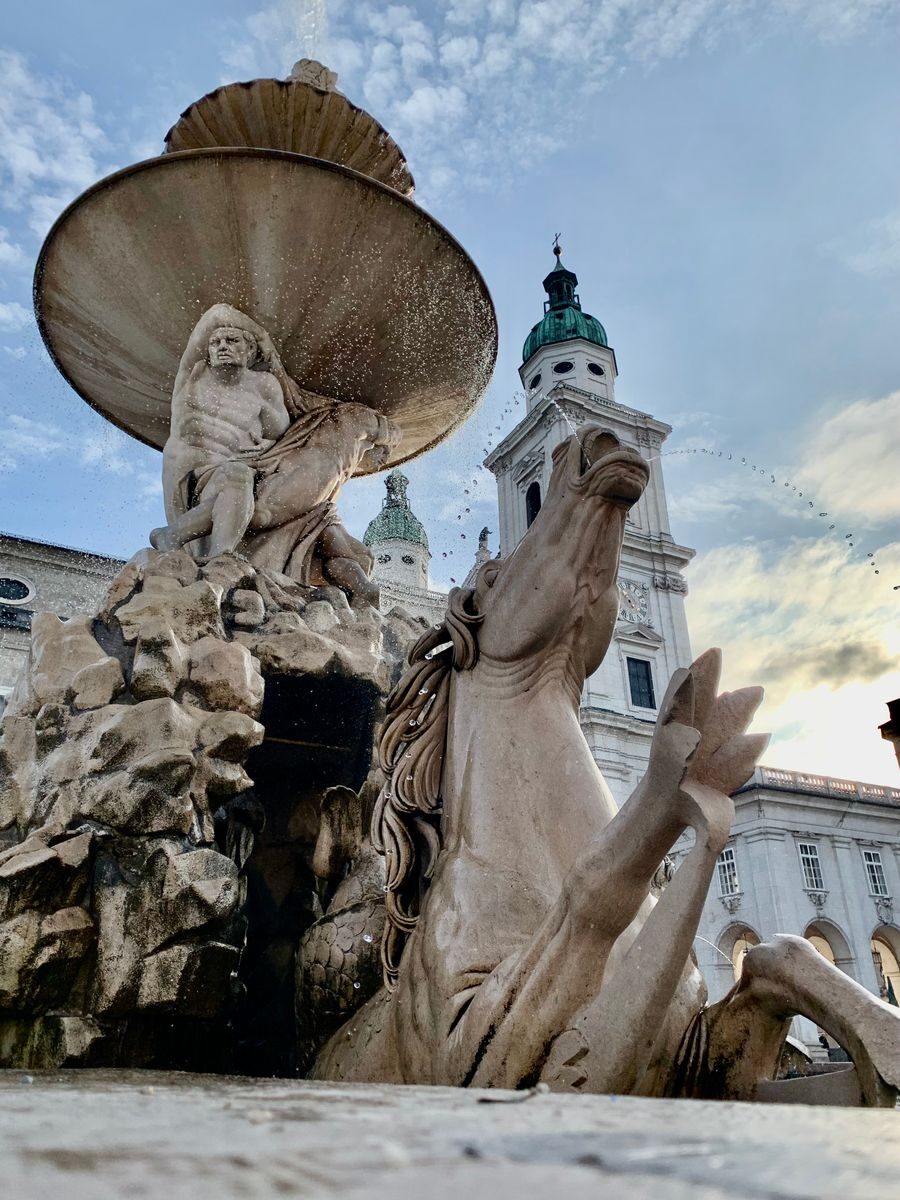
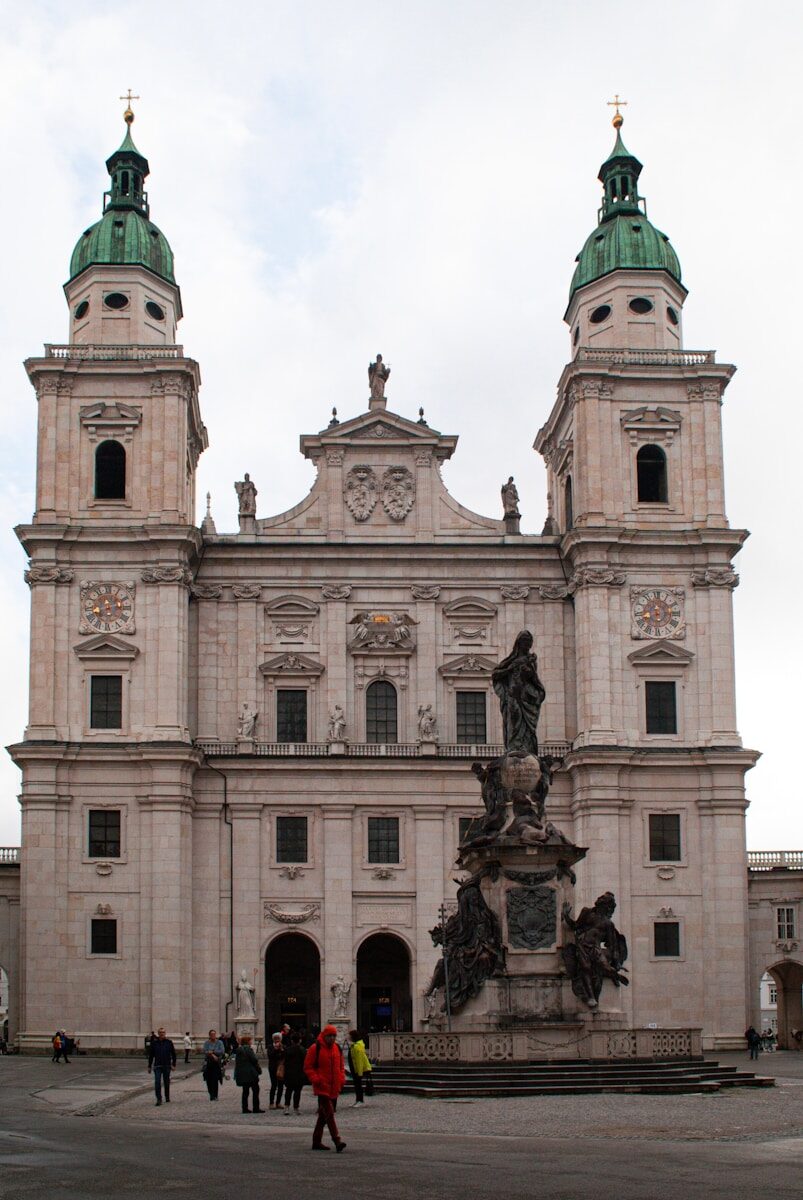
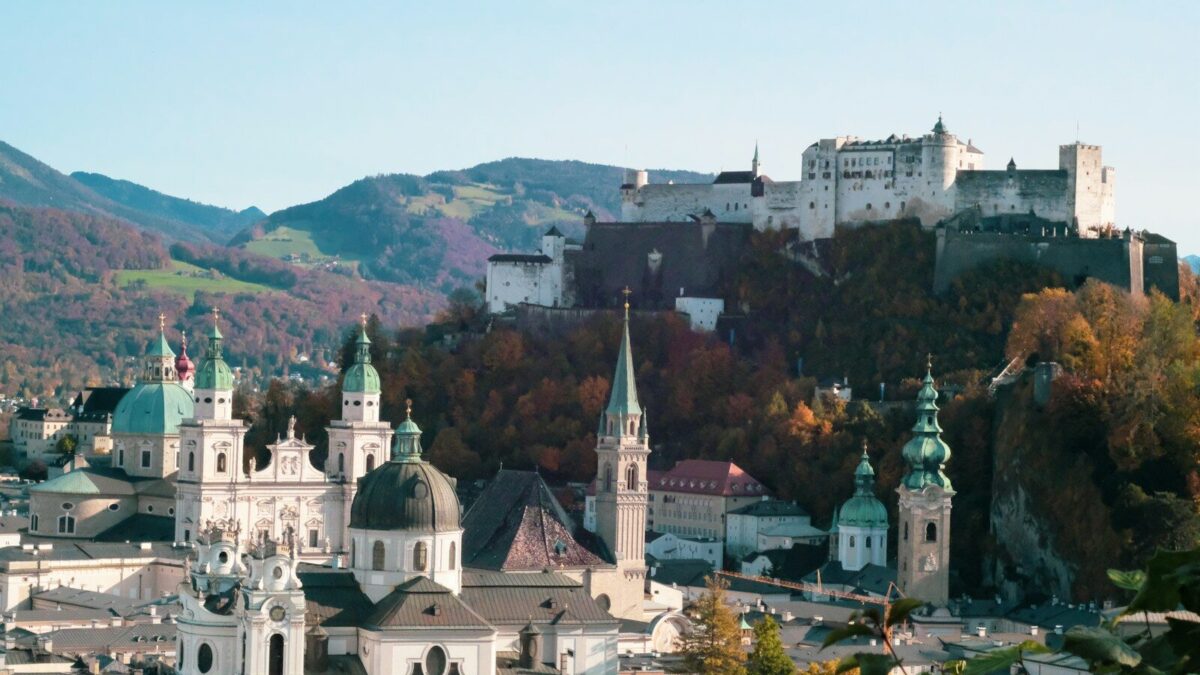
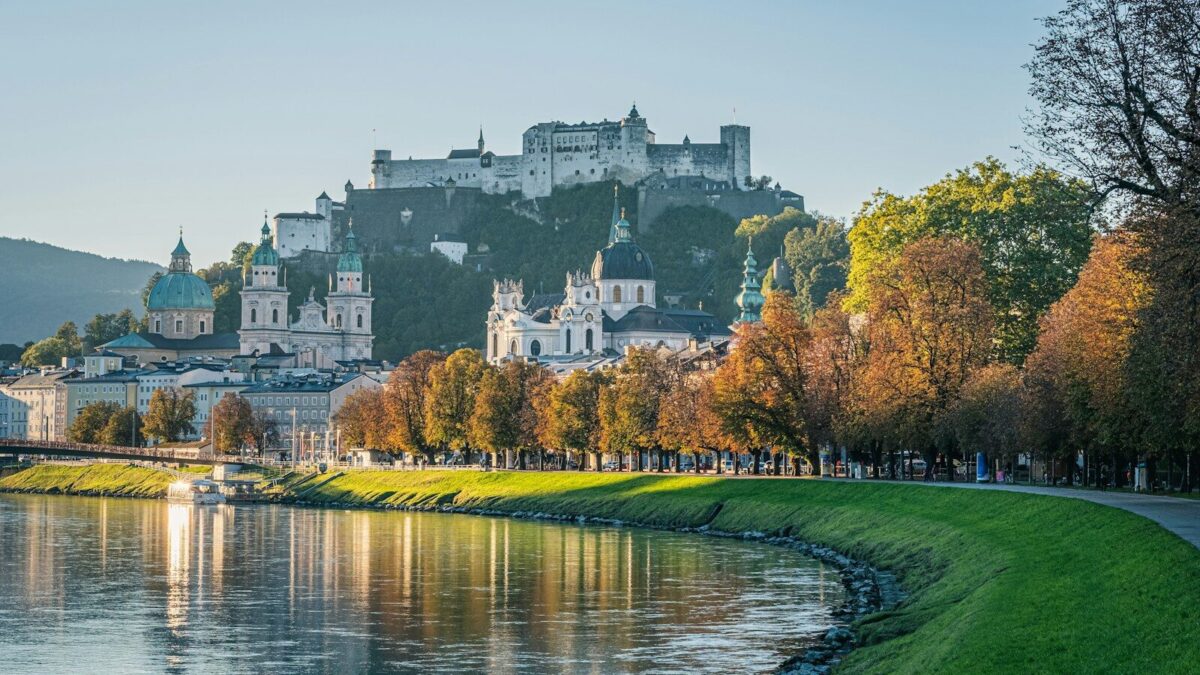
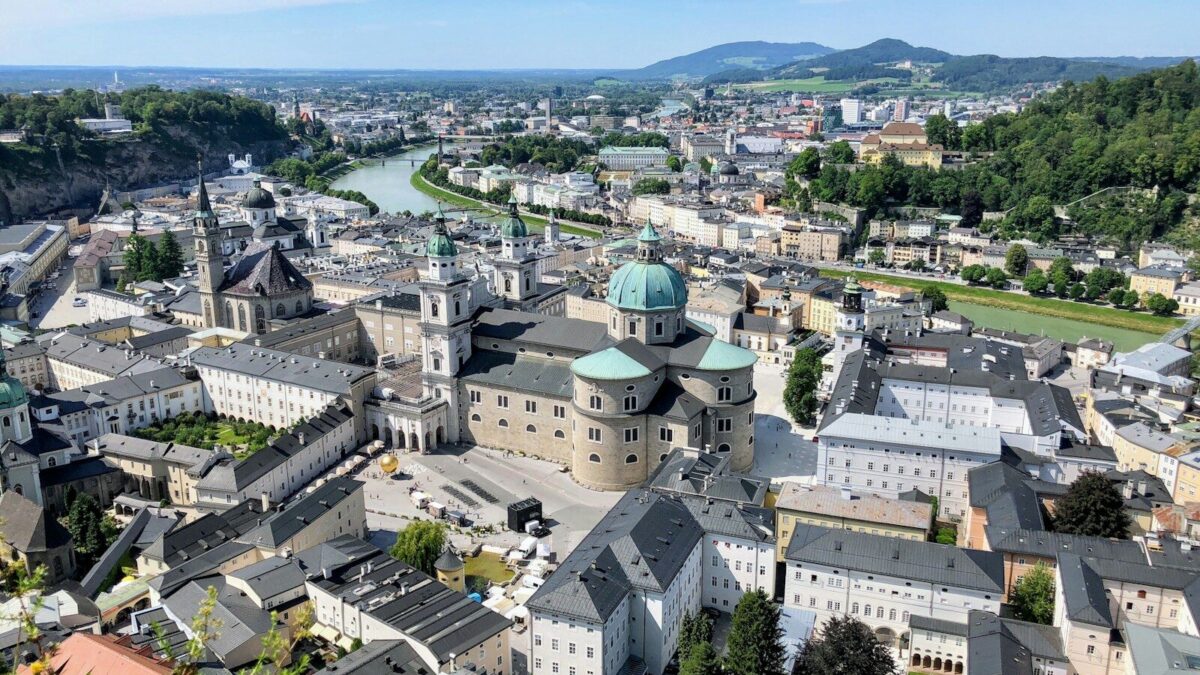
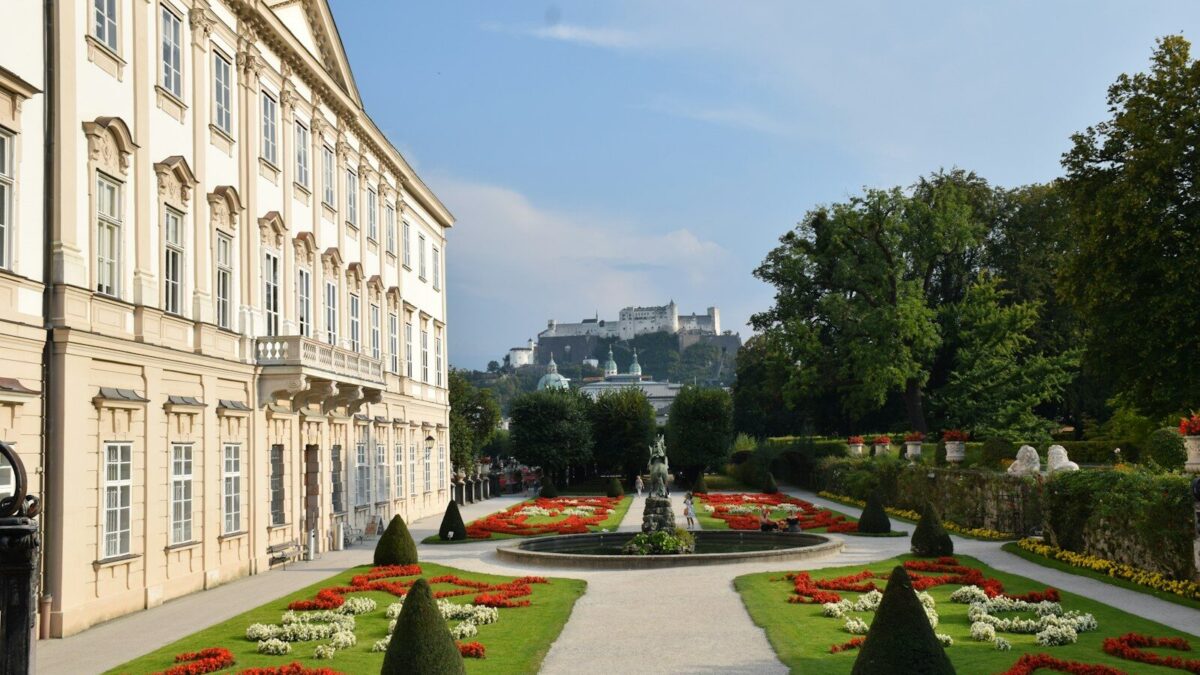
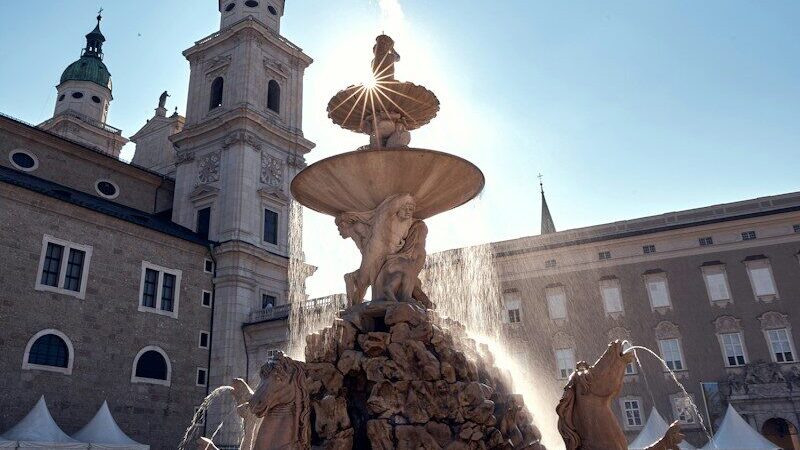
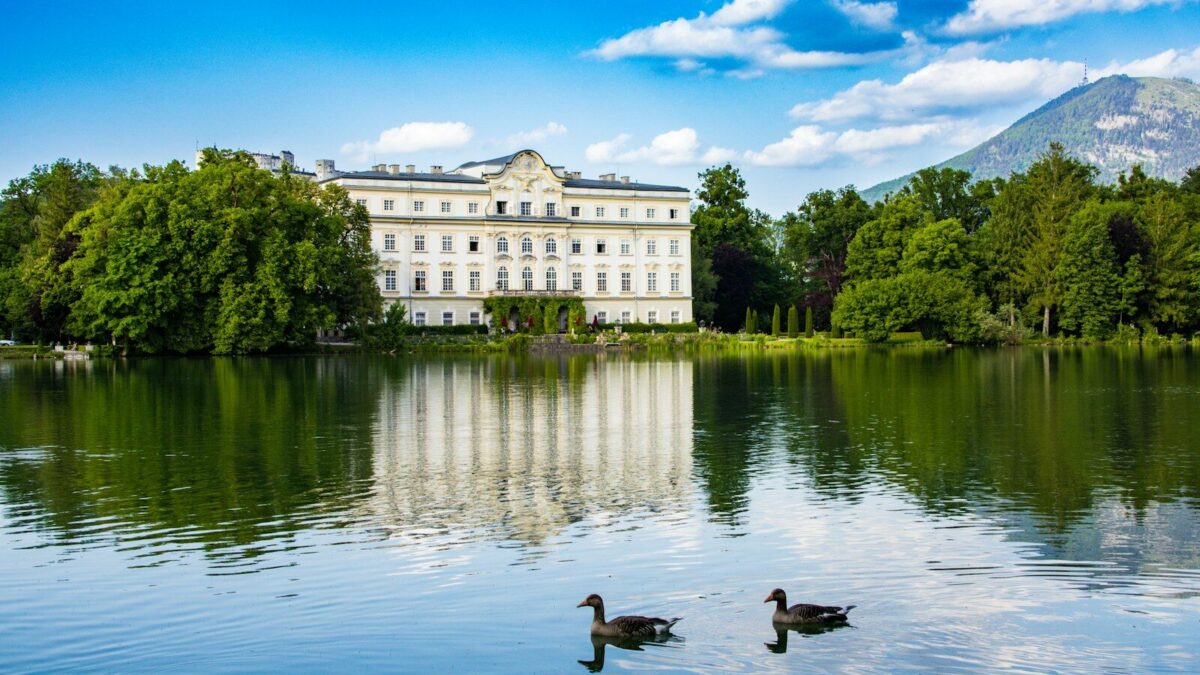
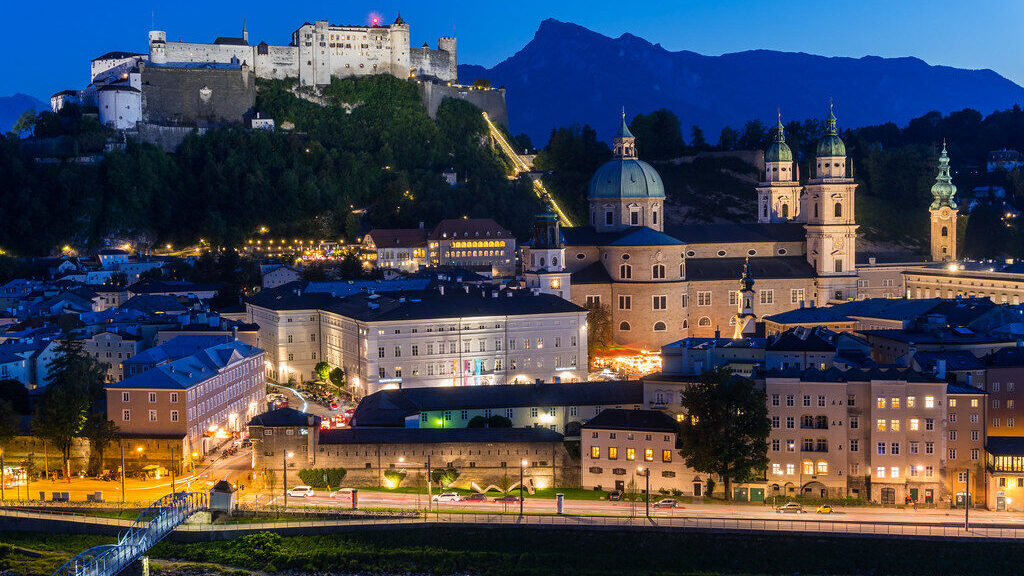
Salzburg is a destination well worth visiting, offering a unique blend of Baroque architecture, vibrant culture, and Alpine charm. Visitors can explore a UNESCO World Heritage Old Town featuring historic landmarks such as the Getreidegasse and the imposing Hohensalzburg Fortress—a setting that is truly unparalleled for culture and music enthusiasts, thanks in particular to Mozart’s legacy and the world-famous Salzburg Festival. This cultural appeal is complemented by superb leisure opportunities around Mirabell Palace and Hellbrunn Palace, as well as an outstanding culinary scene ranging from traditional taverns to sweet specialties like the *Salzburger Nockerl*.
Here are our top 5 reasons to travel to Salzburg:
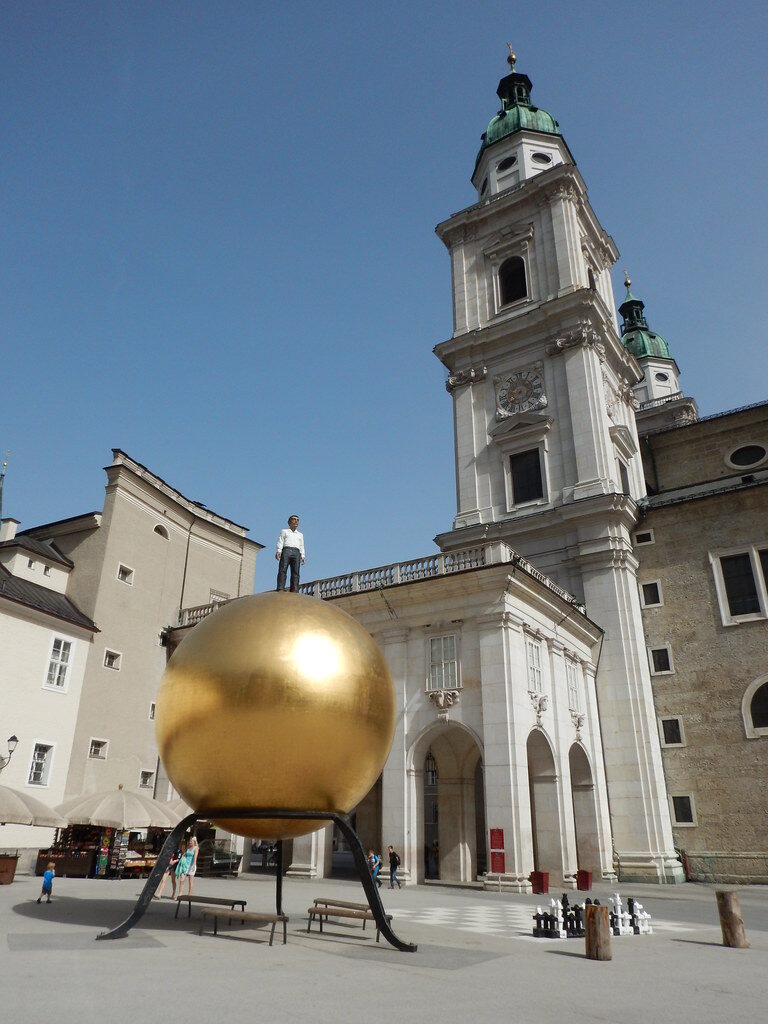
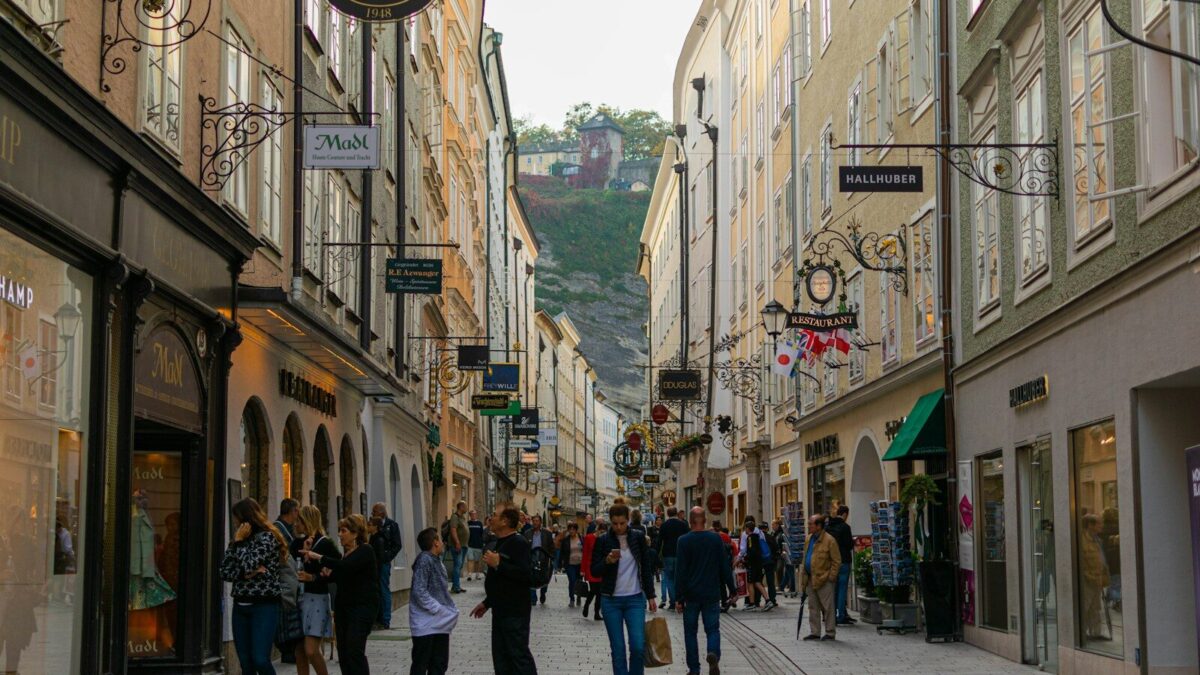
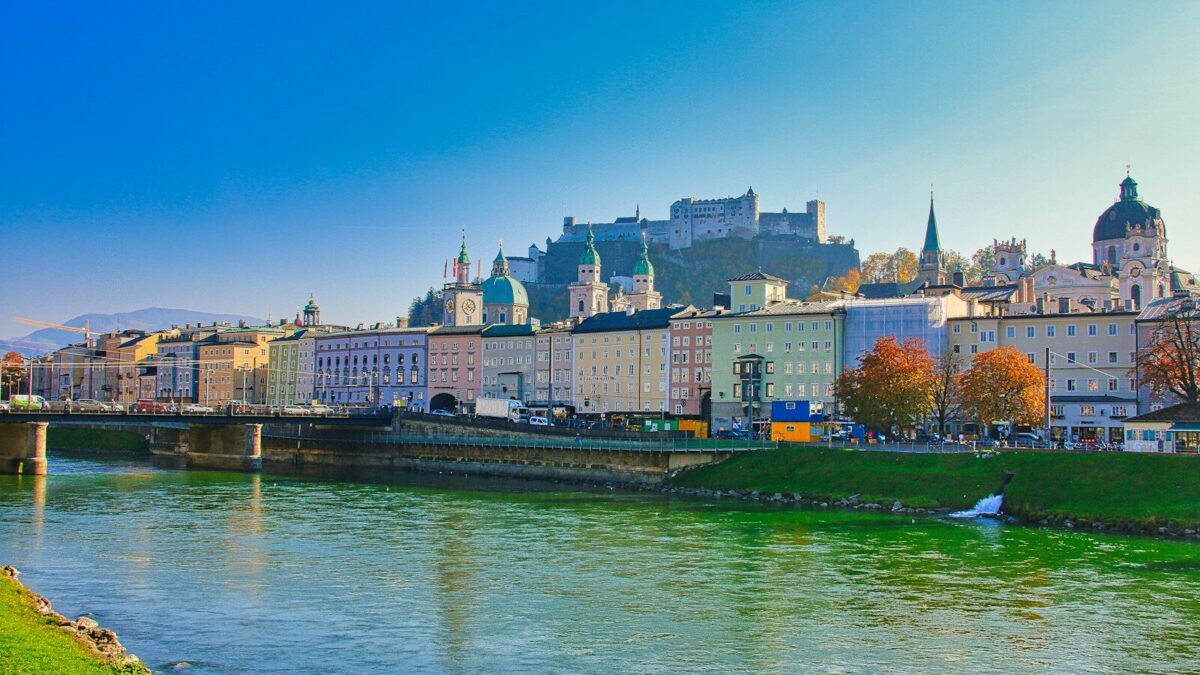
1. The historic Old Town is a UNESCO World Heritage site. Its charming center—featuring winding alleyways, historic townhouses, and magnificent squares—boasts one of the best-preserved historic cityscapes in Europe. A stroll along the famous Getreidegasse is an absolute must.
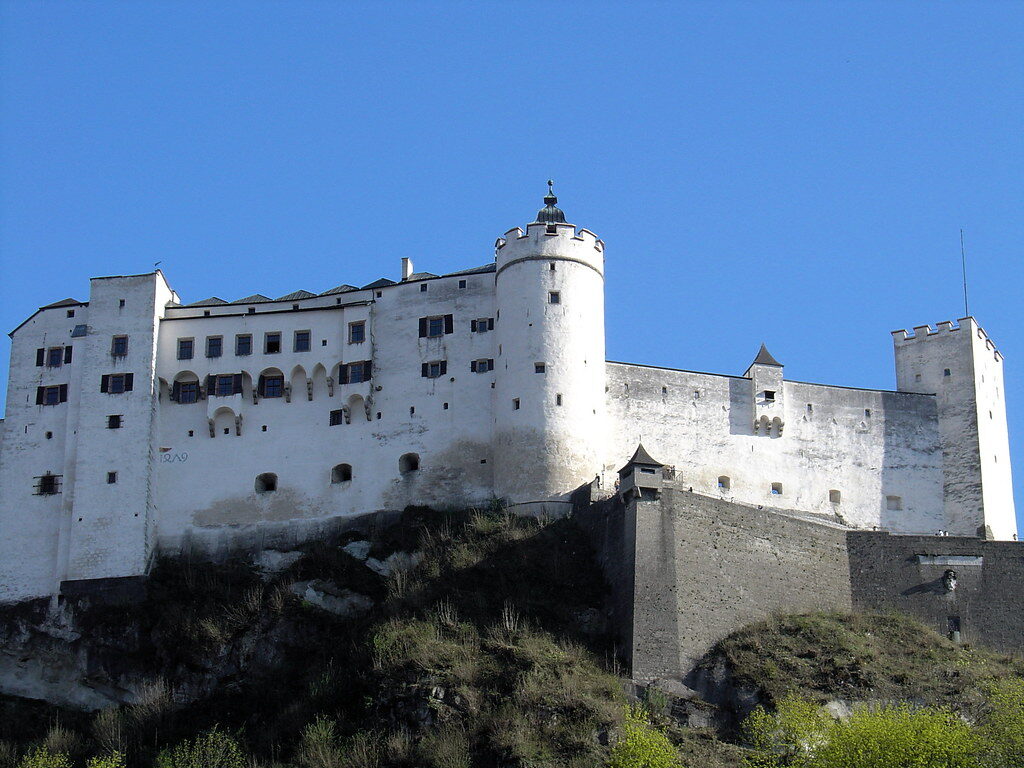
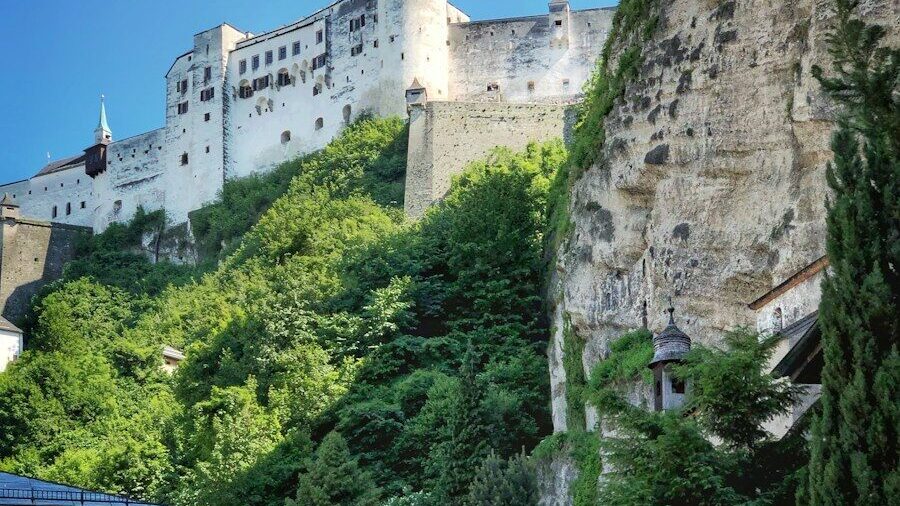
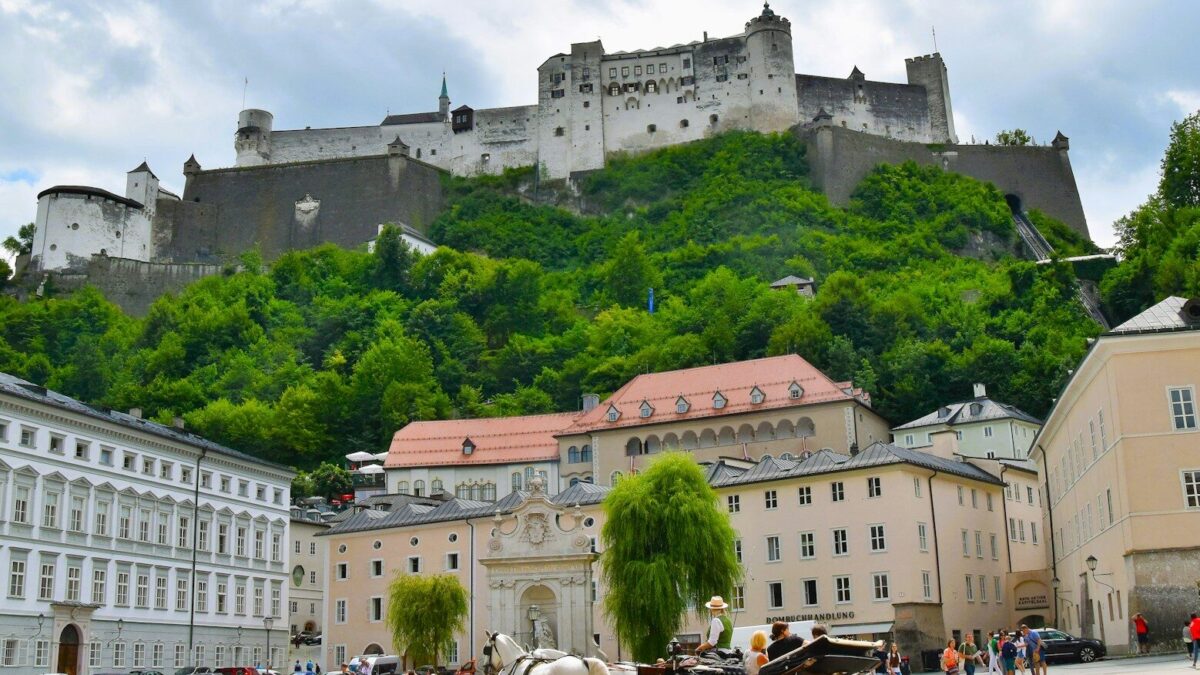
2. Hohensalzburg Fortress, the city’s landmark, towers majestically atop the Festungsberg and stands as the largest fully preserved castle complex in Central Europe. It offers not only fascinating historical insights but also breathtaking 360-degree views of the city and the surrounding area.
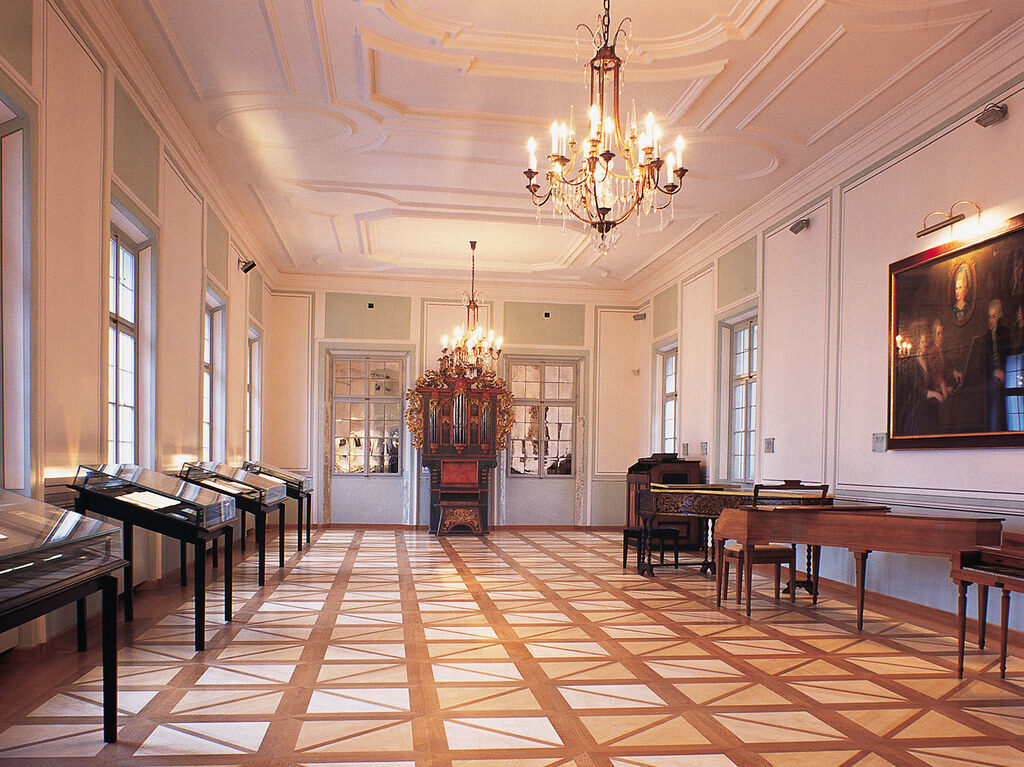
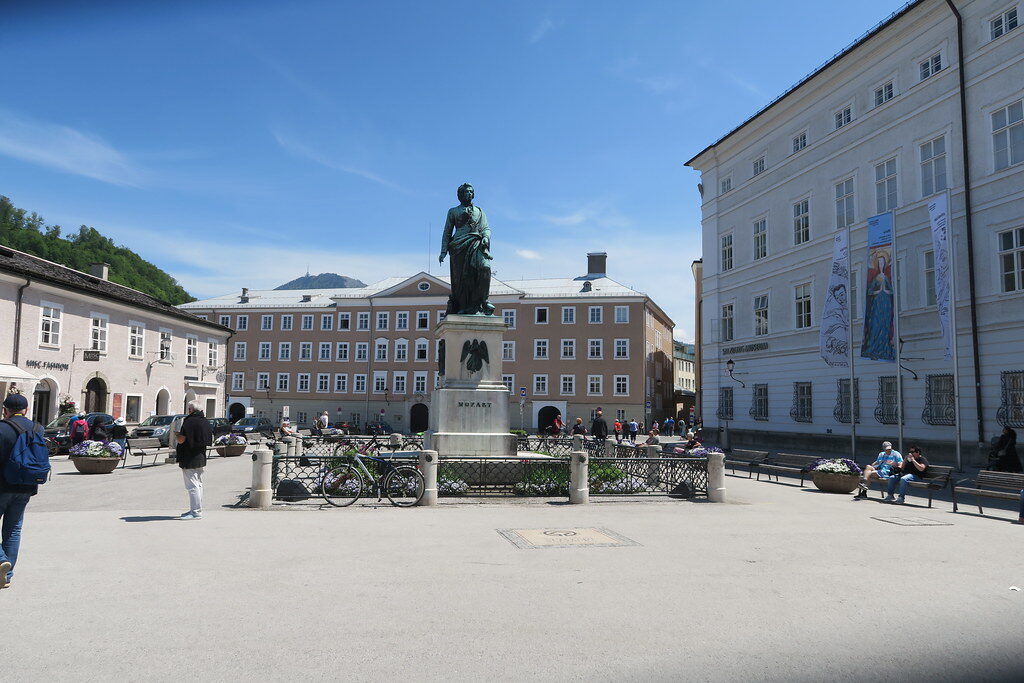
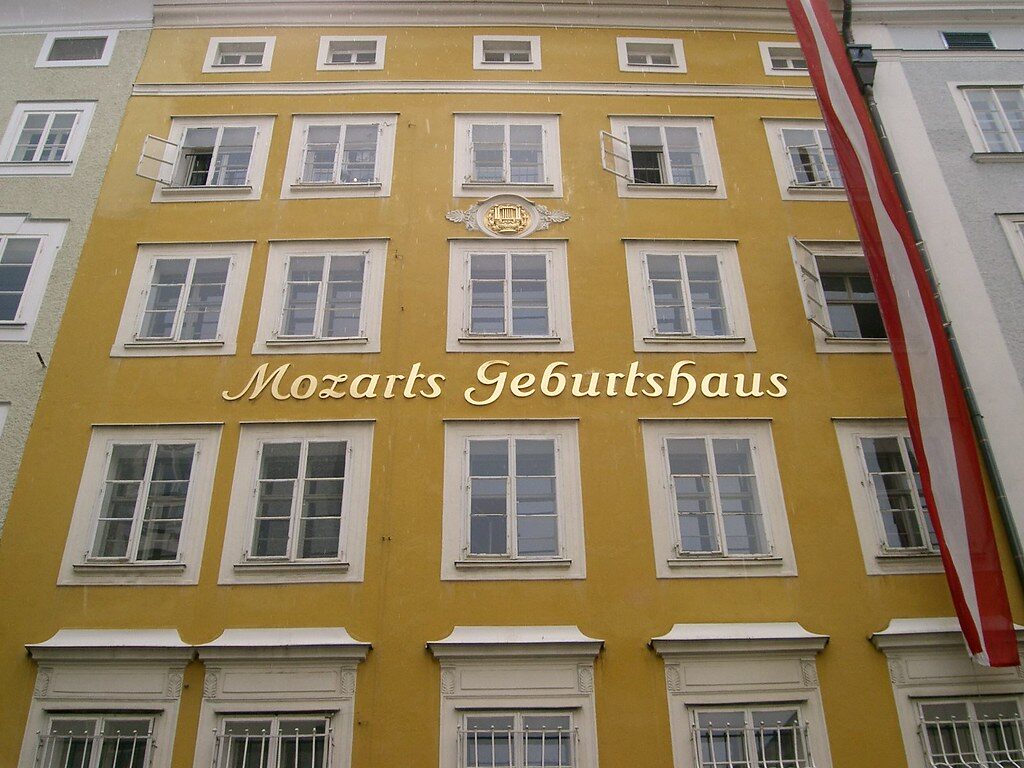
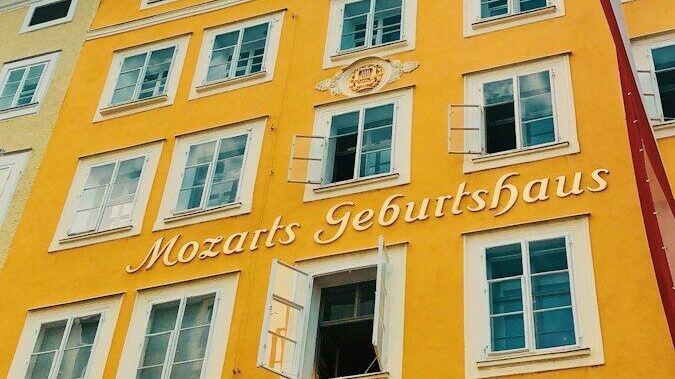
3. As the birthplace of Wolfgang Amadeus Mozart, Salzburg is steeped in musical history at every turn. Visitors can tour both his birthplace on Getreidegasse and his later residence, as well as attend world-class concerts or the famous Salzburg Festival.
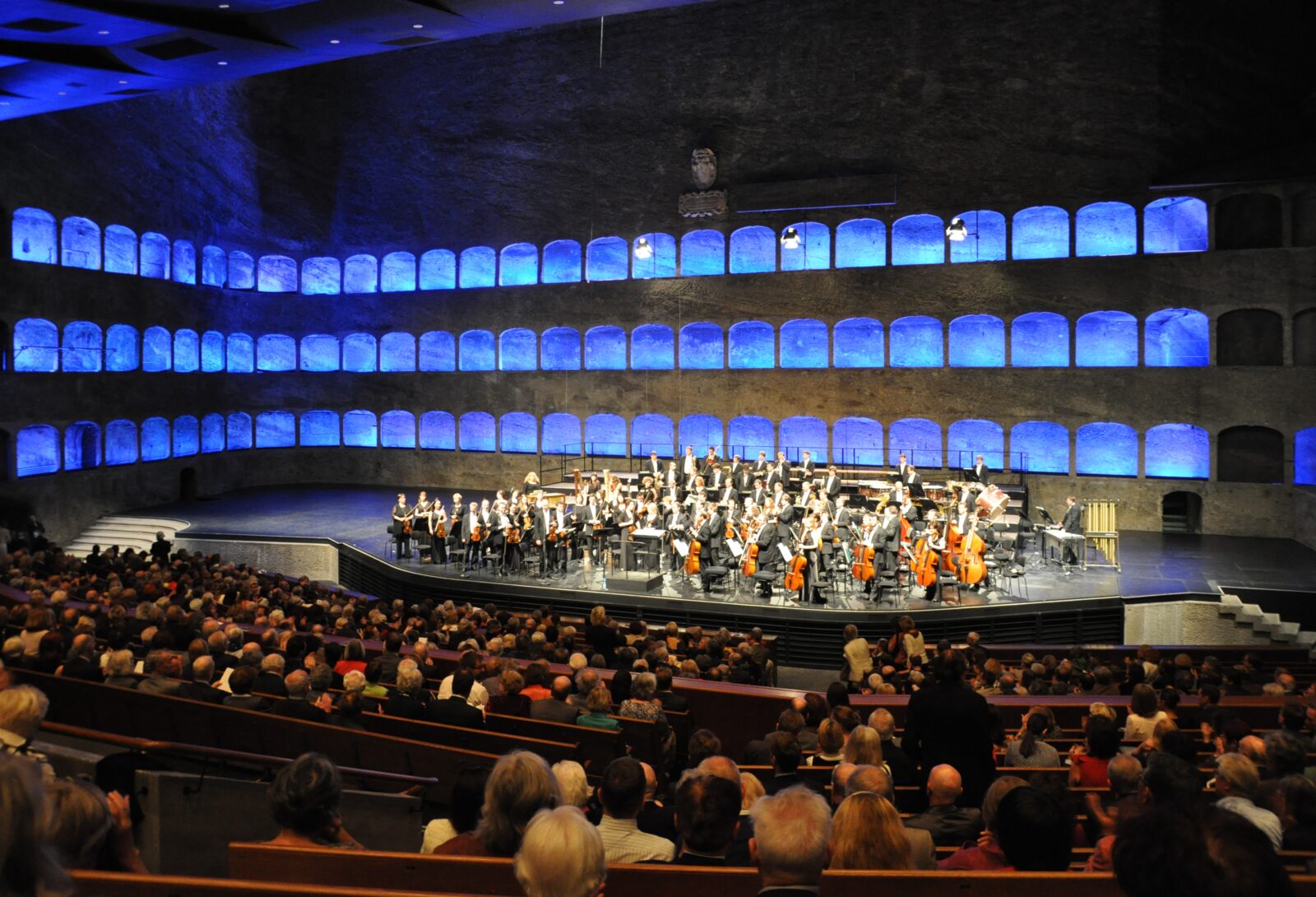
4. The Salzburg Festival—one of the world’s most prestigious music and theater festivals—takes place in the city every summer, attracting artists and audiences of international renown.
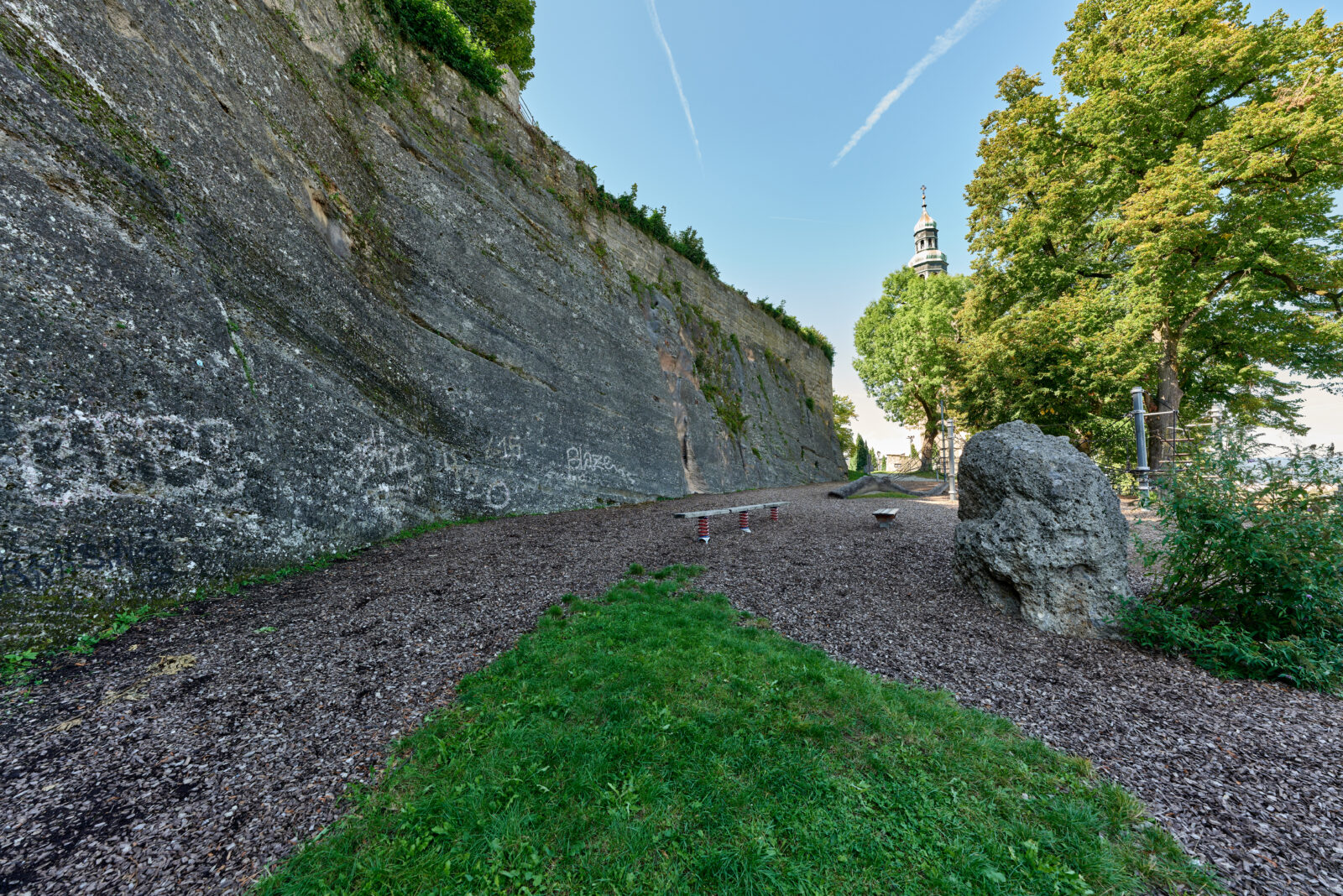
5. Salzburg offers something many classic city breaks lack: you can wander through the Old Town in the morning and enjoy mountain panoramas and hiking trails by the afternoon. The fortress and the Mönchsberg also provide fantastic views right from within the city.
For whom is Salzburg worth a visit?
History and Architecture Enthusiasts:
The UNESCO World Heritage Old Town, Hohensalzburg Fortress, and magnificent structures like Mirabell Palace offer a fascinating journey through Baroque and Renaissance architecture.
Culture and Music Lovers:
With Mozart’s legacy, world-renowned events like the Salzburg Festival, and a top-tier museum and theater scene, the city is a mecca for classical music fans and cultural travelers.
Couples and Romantics:
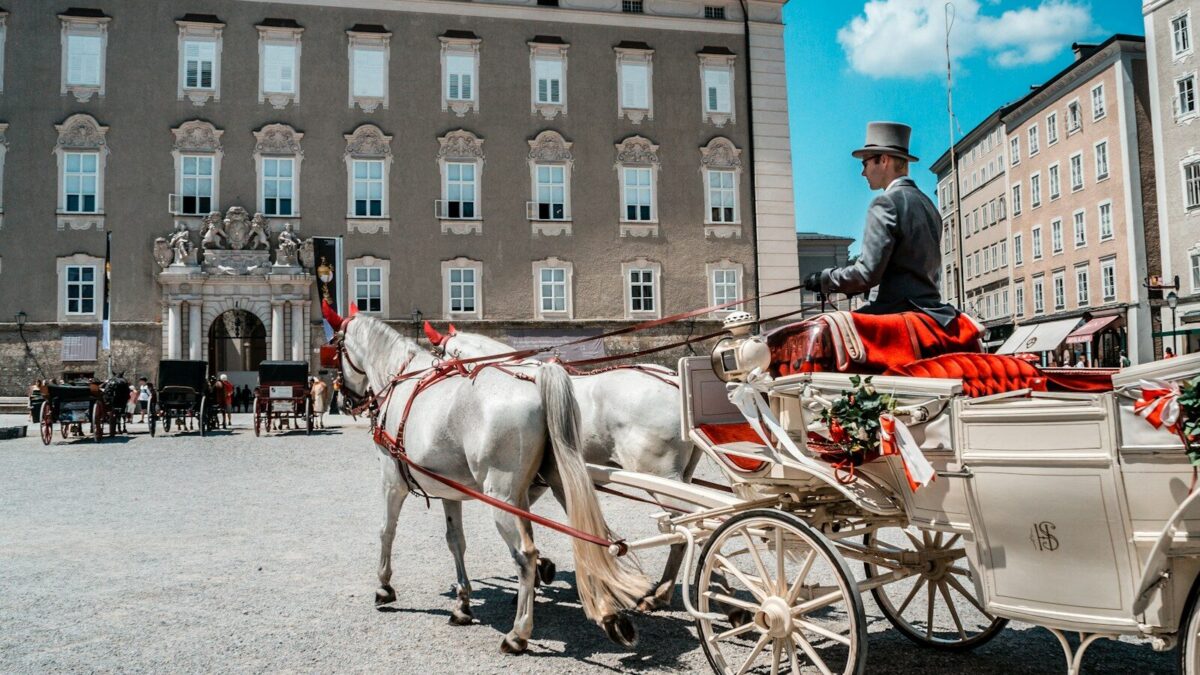
Winding alleyways, romantic squares, horse-drawn carriage rides (*Fiaker*), and the atmospheric backdrop of the Alps make Salzburg the perfect destination for a romantic long weekend or a wellness getaway for two.
Families with Children:
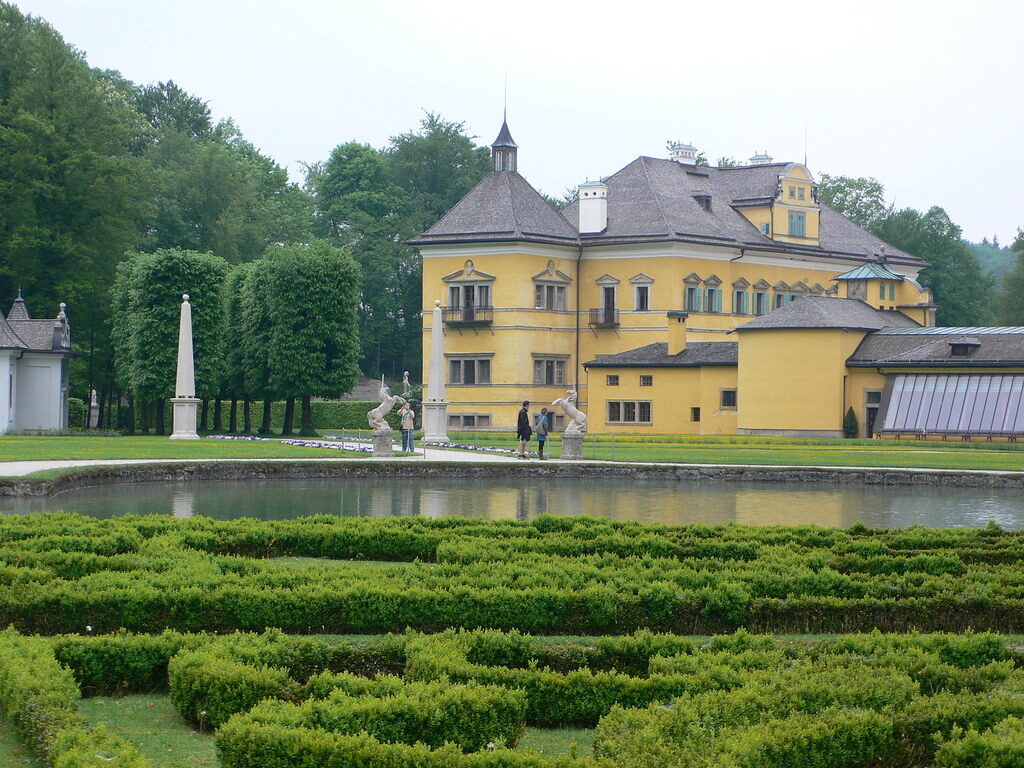
There is plenty to discover, from child-friendly attractions like Hellbrunn Palace—with its surprising trick fountains—and the House of Nature to excursions into the surrounding Alpine landscape.
Gourmets and Connoisseurs:
Austrian coffee house culture, traditional breweries (such as the Augustiner Bräustübl), and local award-winning cuisine offer exceptional culinary experiences.
City and Nature Lovers:
Salzburg is particularly appealing for those who enjoy visiting the Old Town and museums in the morning, followed by a hike up one of the city’s hills or an excursion into the surrounding countryside. The city is nestled right between the Mönchsberg, Kapuzinerberg, and other scenic landscapes.
“Sound of Music” Fans:
The film is a major draw, especially for travelers from English-speaking countries; dedicated tours of the filming locations are a staple of the local tourism offerings.
Best time to travel
The best time to visit Salzburg depends largely on what you expect from your stay, as the city reveals a unique charm at different times of the year:
- Late Spring (May to June) & Early Autumn (September to October) – An insider tip for connoisseurs: Many consider these months the ideal time to visit. The weather is usually pleasantly mild for exploring on foot, and there are far fewer tourists around than in high summer. September and October, in particular, often offer golden autumn days and a relaxed atmosphere in the city streets.
- Summer (July to August) – For culture and festival enthusiasts: The summer months bring the warmest temperatures (often around 24°C) and a vibrant buzz to the city. This is the absolute peak season, primarily due to the world-famous Salzburg Festival (held in summer). However, you should expect large crowds, fully booked hotels, and significantly higher prices during this time. Note: Due to the city’s proximity to the Alps, sudden rain showers (including the notorious “Schnürlregen” or persistent drizzle) can occur at any time in summer.
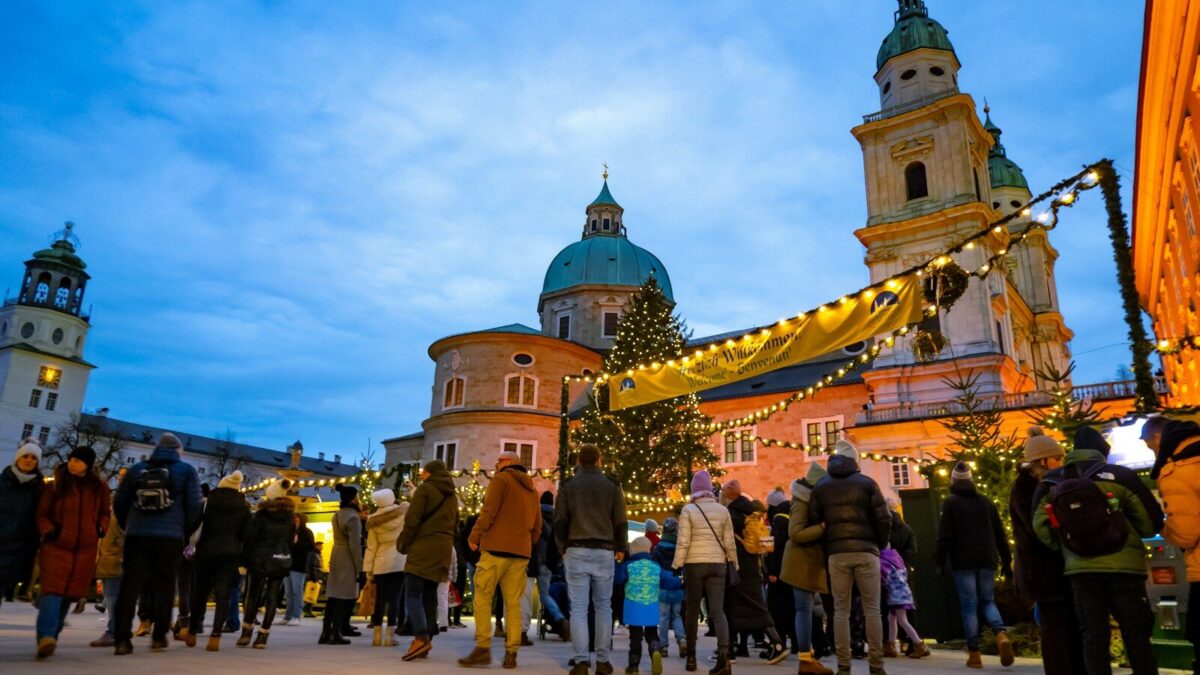
- Advent (December) – For romantics: For those wishing to experience the world-famous Salzburg Christkindlmarkt (Christmas market), December is a magical time to visit, despite the cold temperatures. Festive lights, Christmas markets, and carriage rides through the snow create a truly unique setting.


Getting there
By car:
Salzburg is situated at the intersection of major European transport routes (the A1 from Vienna/Linz, the A8 from Munich, and the A10 Tauern Motorway from the south/Villach).
By train:
Salzburg’s main railway station is a major international hub with excellent connections. There are numerous direct services (e.g., via ÖBB’s Railjet or Deutsche Bahn’s ICE) from cities such as Munich (travel time just under 1.5 hours), Vienna (approx. 2.5 hours), Frankfurt, and Stuttgart. Private operators like Westbahn also run regular services. From the station, you can reach the historic Old Town in just a few minutes on foot or by bus.
By plane:
Salzburg Airport is located just 4 kilometers west of the city center, making it one of the most centrally located airports in Europe. It is served by flights from various European hubs (such as Frankfurt, Vienna, and Düsseldorf), and there are also numerous direct international connections, particularly during the ski season and the Salzburg Festival.


Shopping
Salzburg offers far more than just Baroque backdrops and classical concerts—the city and its surroundings are a true paradise for shopping enthusiasts. The range extends from historic shopping streets featuring traditional craftsmanship to modern shopping malls and designer outlets.
Here is an overview of the best shopping spots in Salzburg:
1. The Historic Old Town (Getreidegasse & Judengasse)
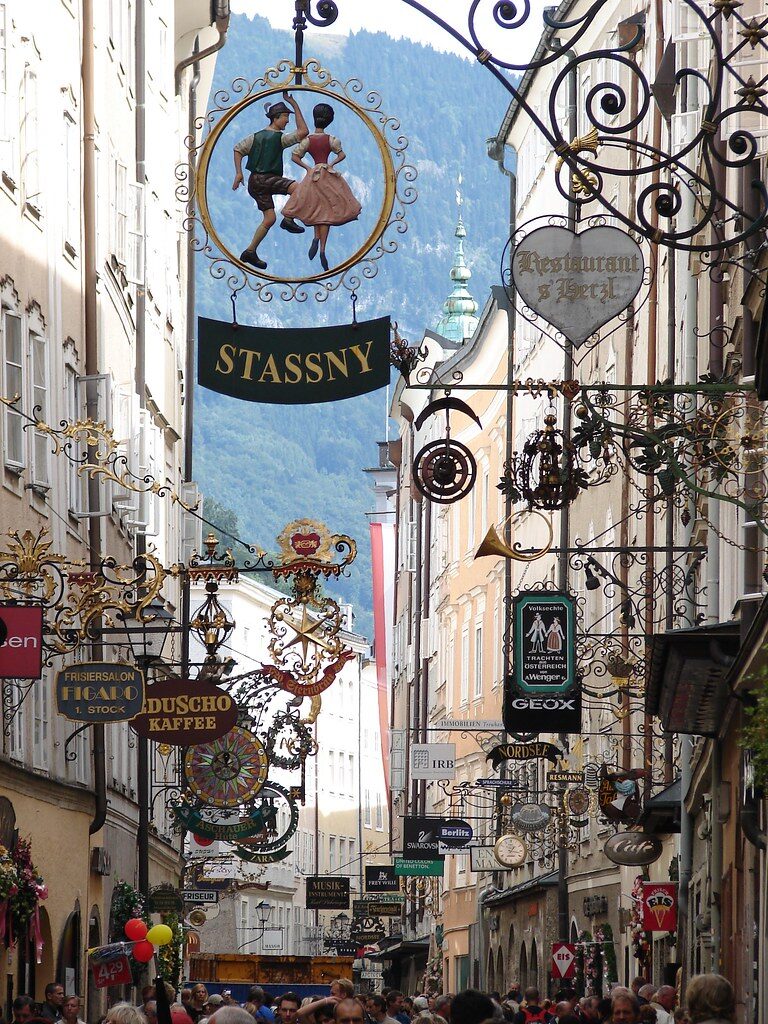
For those seeking a unique, historic atmosphere, a shopping stroll along the world-famous Getreidegasse is the perfect starting point.
- Highlight: Alongside well-known international brands, the magnificent, historic wrought-iron guild signs hanging above the shops are a standout feature.
- Selection: Everything from traditional Alpine attire—such as lederhosen and dirndls—to antiques, souvenirs, and handmade Mozartkugeln, as well as exclusive fashion and jewelry in the adjacent lanes (like Judengasse or Alter Markt).
2. Europark (Modern Shopping Mall)
Located just outside the historic center (in the Liefering district), Europark ranks among Europe’s most modern and architecturally impressive shopping centers.
- Selection: Over 130 shops across several levels, including major fashion chains (such as Zara, Mango, and Peek & Cloppenburg), electronics stores, bookstores, and a wide range of high-quality dining options.
- Plus: It is easily accessible via the trolleybus directly from the city center and offers a premium, weather-independent shopping experience.
3. McArthurGlen Designer Outlet Salzburg
Located right next to the A1 motorway and very close to the airport (and also easily accessible by bus) is the Designer Outlet Salzburg.
- What’s on offer: More than 90 stores and around 200 designer and top brands (such as Armani, Boss, Karl Lagerfeld, Ralph Lauren, and Nike) offer their goods at discounts of up to 70% all year round.
- Atmosphere: The center is laid out like a stylish, open-air village with streets and squares, featuring numerous cafés and restaurants where you can take a break from shopping.
4. Local specialties and markets
Those looking for culinary delights or authentic regional products will also find plenty to enjoy:
- Grünmarkt (Universitätsplatz): This traditional market takes place on weekdays in the heart of the Old Town. Here, you can find fresh fruit, vegetables, flowers, regional cheese specialties, bread, and small hot snacks directly from local producers.
- Treasures for foodies: Small artisan shops—such as traditional bakeries, confectioners (like Confiserie Fürst, the creator of the original Mozartkugel), and specialty food stores—invite you to sample their wares.
Practical tips for shopping in Salzburg:
- Opening hours: Shops in the city center and shopping malls are generally open continuously from Monday to Friday (approx. 9:00 or 9:30 a.m. to 6:30 or 7:00 p.m.). On Saturdays, shops usually close a little earlier (around 5:00 or 6:00 p.m.).
As a rule, retail businesses are closed on Sundays (exceptions apply to newsstands or shops at train stations and airports).
Food and drink
Salzburg is a culinary hotspot, renowned far beyond its borders for its rich tavern culture, sweet temptations, and vibrant coffee house scene. Its cuisine blends Austrian classics with Alpine influences and a touch of imperial flair.
Here is a detailed overview of Salzburg’s culinary highlights:
1. Tavern Culture and Hearty Classics
Traditional Austrian cuisine takes center stage at many historic inns and breweries.
- Typical Dishes: Menus feature classics such as Wiener Schnitzel (traditionally made with veal), Tafelspitz (boiled beef) served with apple-horseradish and chive sauce, Kasnocken (cheese dumplings/spaetzle) served in a cast-iron skillet, and hearty roast pork with dumplings.
- Augustiner Bräustübl (Mülln): An absolute must for beer lovers. It is Austria’s largest beer hall and has been run by Augustinian monks for centuries. Guests traditionally pour their own beer from stone mugs and can assemble their own meals—ranging from snacks to hot dishes—from the market stalls located in the vaulted arcade (the “Arkadengang”).
2. Coffee House Culture and Sweet Traditions
In Salzburg, coffee and cake are as much a part of the lifestyle as music. Spending an afternoon in a traditional coffee house is an essential part of any visit.
- Salzburger Nockerl: The city’s world-famous sweet specialty is an airy, oven-fresh soufflé-style dish, traditionally served dusted with powdered sugar (usually portioned for two, as it is very rich).
- The authentic Salzburg Mozartkugel: Invented in 1890 by master confectioner Paul Fürst, the original—wrapped in silver and blue foil, featuring a green center of pistachio marzipan and nougat—differs significantly from mass-produced industrial versions.
- Traditional coffee houses: Café Tomaselli (Austria’s oldest coffee house, located at the Alter Markt) and Café Bazar (situated right by the Salzach River) offer a historic atmosphere and excellent cakes and pastries (such as Sachertorte or apple strudel).
3. Modern gourmet cuisine: Alongside its traditions, Salzburg has developed a top-tier culinary scene.
- Fine dining: From Michelin-starred restaurants to innovative eateries in the Old Town, young chefs offer modern, creative interpretations of regional ingredients—such as fish from the Salzkammergut lakes and game from local forests.
- Farmers’ markets: At the Grünmarkt or smaller regional markets, you can find fresh, handmade products straight from local producers—ranging from alpine cheese to fresh farmhouse bread.
Nightlife and entertainment
Although Salzburg is world-famous primarily for its classical music and Baroque architecture, the “City of Mozart” also boasts a surprisingly vibrant and diverse nightlife scene beyond its grand concert halls. The options range from cozy brewery cellars and stylish cocktail bars to alternative live music clubs and modern discos.
Here is an overview of the nightlife and entertainment options in Salzburg:
1. Nightlife Hubs (Promenades and Strips)
The nightlife scene is concentrated mainly in a few key areas in and around the Old Town:
- Rudolfskai: Trendy bars, pubs, and venues line the banks of the Salzach River here; the area is particularly popular with students and younger crowds.
- Gstättengasse & Anton-Neumayer-Platz: This area features a high concentration of clubs, bars, and lounges—perfect for hopping from one venue to the next.
- Steingasse: This historic lane offers a charming, more rustic setting with cozy meeting spots away from the main hustle and bustle.
2. Bars, Pubs, and Cozy Meeting Spots
- Traditional Beer Culture: For a relaxed end to the evening, visit the legendary Augustiner Bräustübl in Mülln (featuring a large beer garden and vaulted halls) or the Die Weisse brewpub, which serves unfiltered wheat beer.
- Pubs & Cocktail Bars: Numerous Irish pubs (such as Murphy’s Law or The Dubliner) offer a convivial atmosphere. For those with discerning tastes, stylish hotel bars—such as the one in the historic Hotel Goldener Hirsch—or modern cocktail lounges are excellent choices. Another real highlight is the Amadeus Salzach-Insel-Bar, situated right on the river.
3. Clubs and Party Venues
- City Beats Club: One of the city’s most famous and centrally located clubs (right in the Old Town beneath the Sternarkaden). Across several dance floors, the music ranges from house, electro, and hip-hop to popular party hits.
- Club Half Moon: Housed in a vaulted cellar dating back over 600 years, this club offers a unique, historic setting combined with modern club and house music.
- Alternative & Electronic: The Rockhouse is the premier venue for live music (spanning rock, indie, and metal) and concerts. For fans of electronic music, jazz, jam sessions, or alternative cultural events, Jazzit or SodaClub are the top destinations.
4. Cultural Evening Entertainment
Those who prefer a quieter yet sophisticated evening will find first-class entertainment in Salzburg:
- Theater and Concerts: In addition to the world-famous Festival, venues such as the Landestheater Salzburg, the Marionettentheater (Marionette Theatre), and the Kleine Theater offer a varied program of plays, opera, and modern productions.
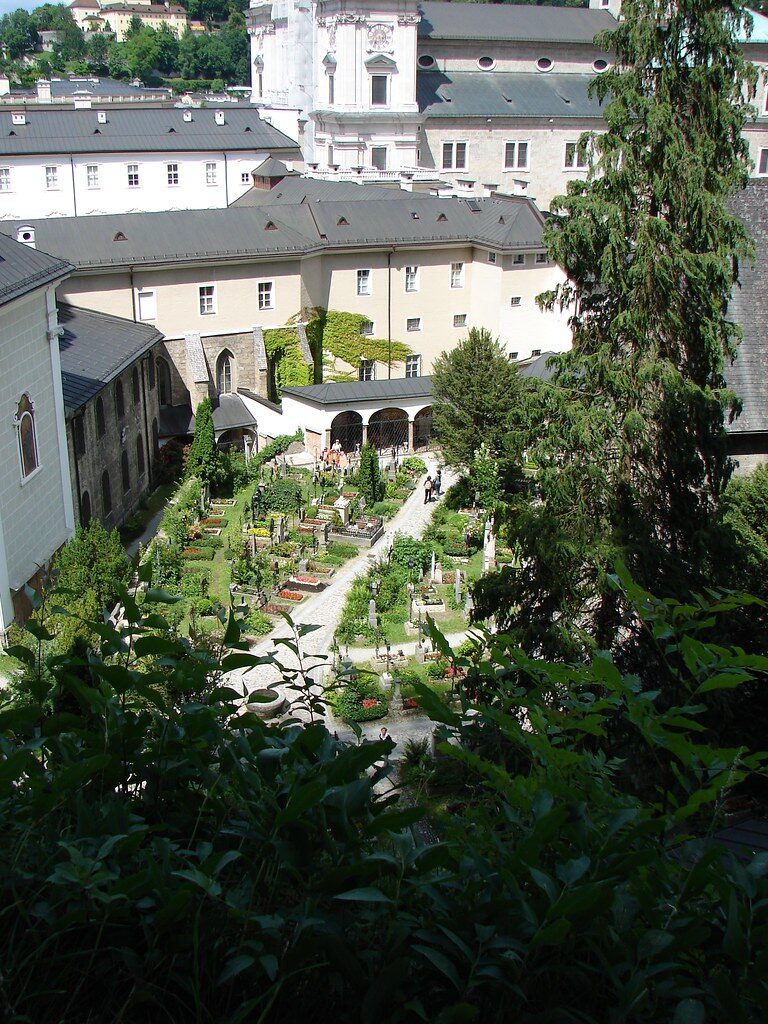
- Mozart Dinner Concerts: Classical concerts are paired with a historic multi-course meal in candlelit, historic halls (such as the Stiftskeller St. Peter).
Sights
- All in Salzburg
- Beaches
- Bridges
- Castles & Palaces
- Churches & Monasteries
- Districts
- Gardens & Parks
- Highlights
- Historical buildings
- Museums & Galleries
- Natural landscapes & National parks
- Other sights
- Shopping
- Streets & Squares
- Theater & Opera houses
- Theme & Amusement parks
- Viewpoints
- World Heritage Sites
- Zoos & Aquariums